Cooking & Camp Kitchen

Cook proper meals wherever you pitch up. Camping kitchen kit for festivals, family trips and days out, at Summit Outdoor Leisure.

Setting up a camping kitchen

Food is half of what makes a trip. A proper brew in the morning, something hot in the evening, and the bit where everyone sits round a table eating together instead of queuing at a van. It does not take much kit to get there, but it does take the right kit.

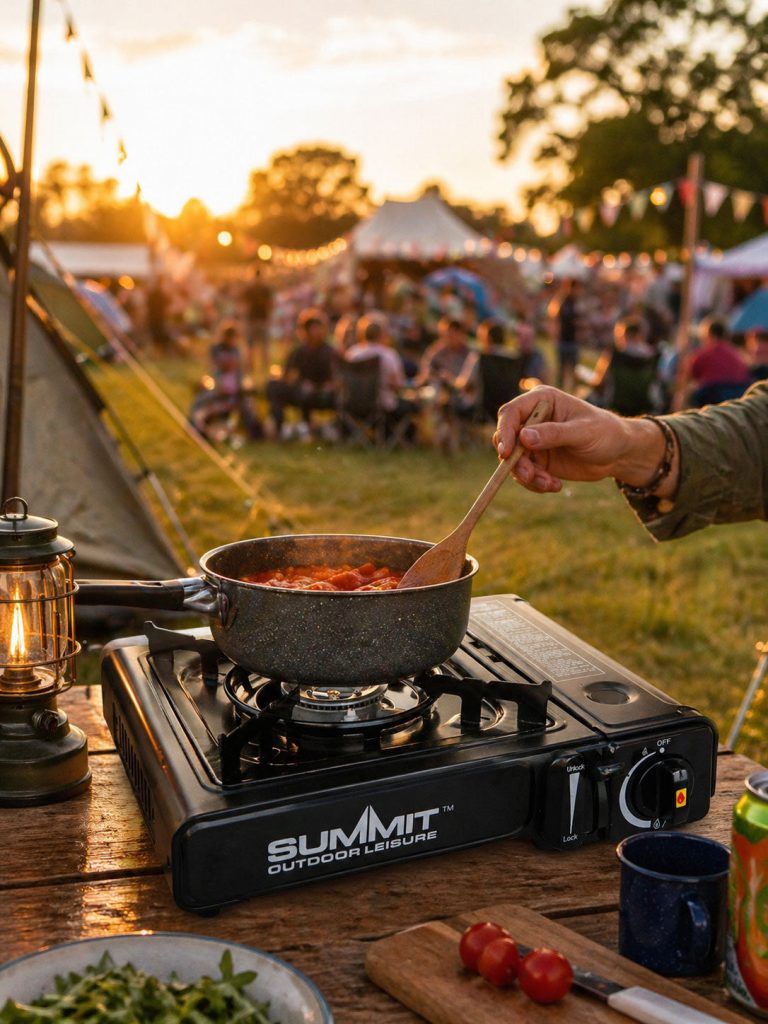
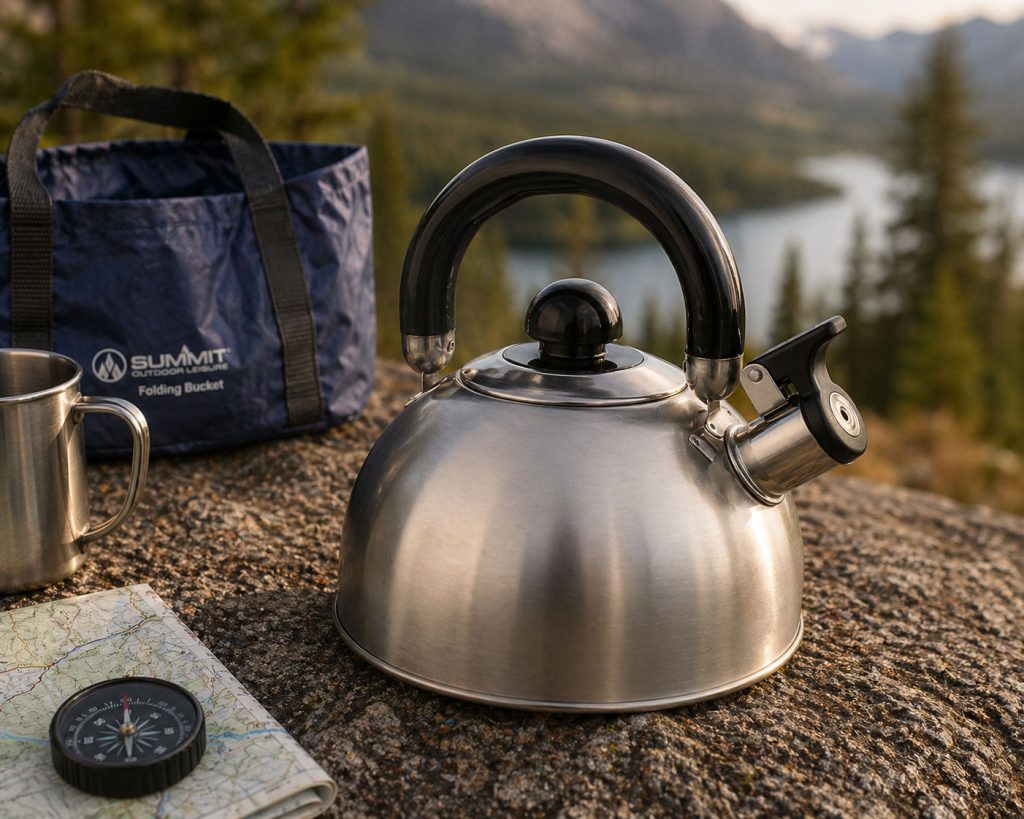
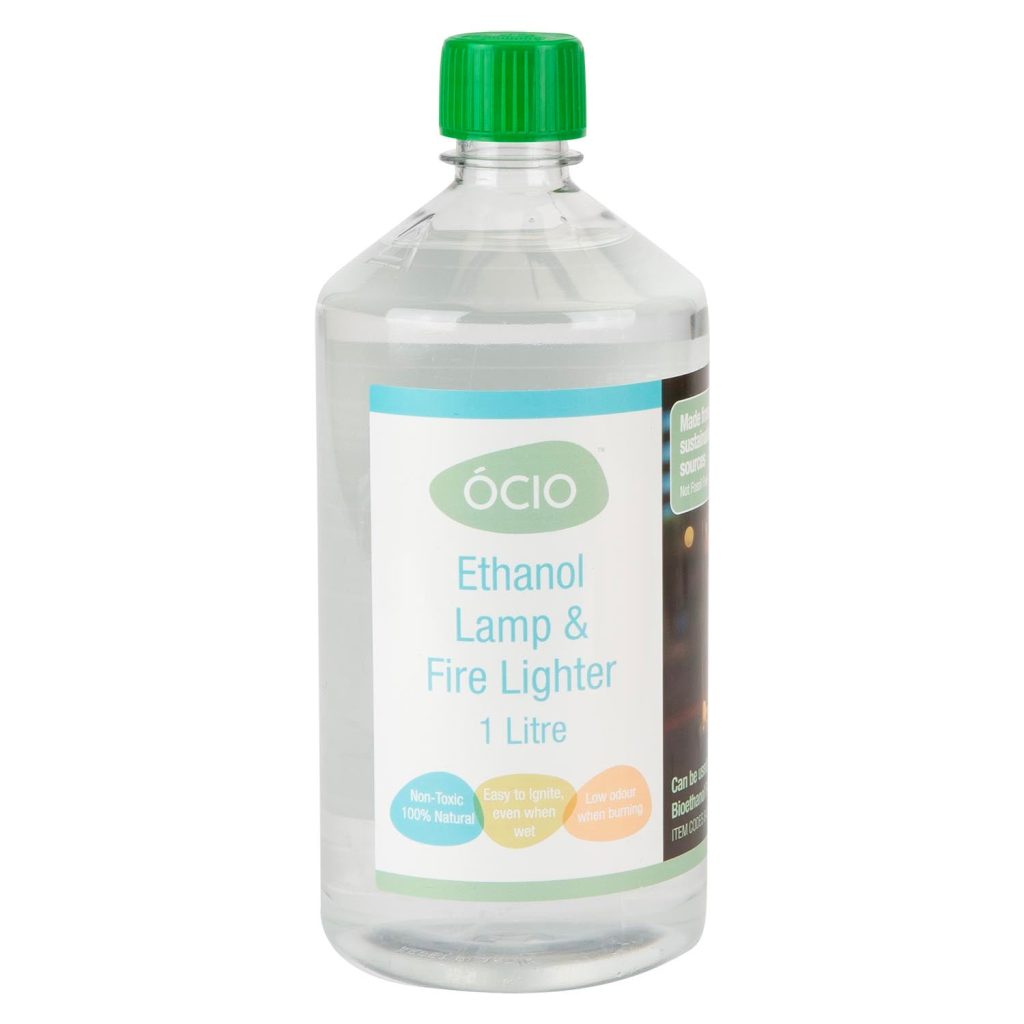
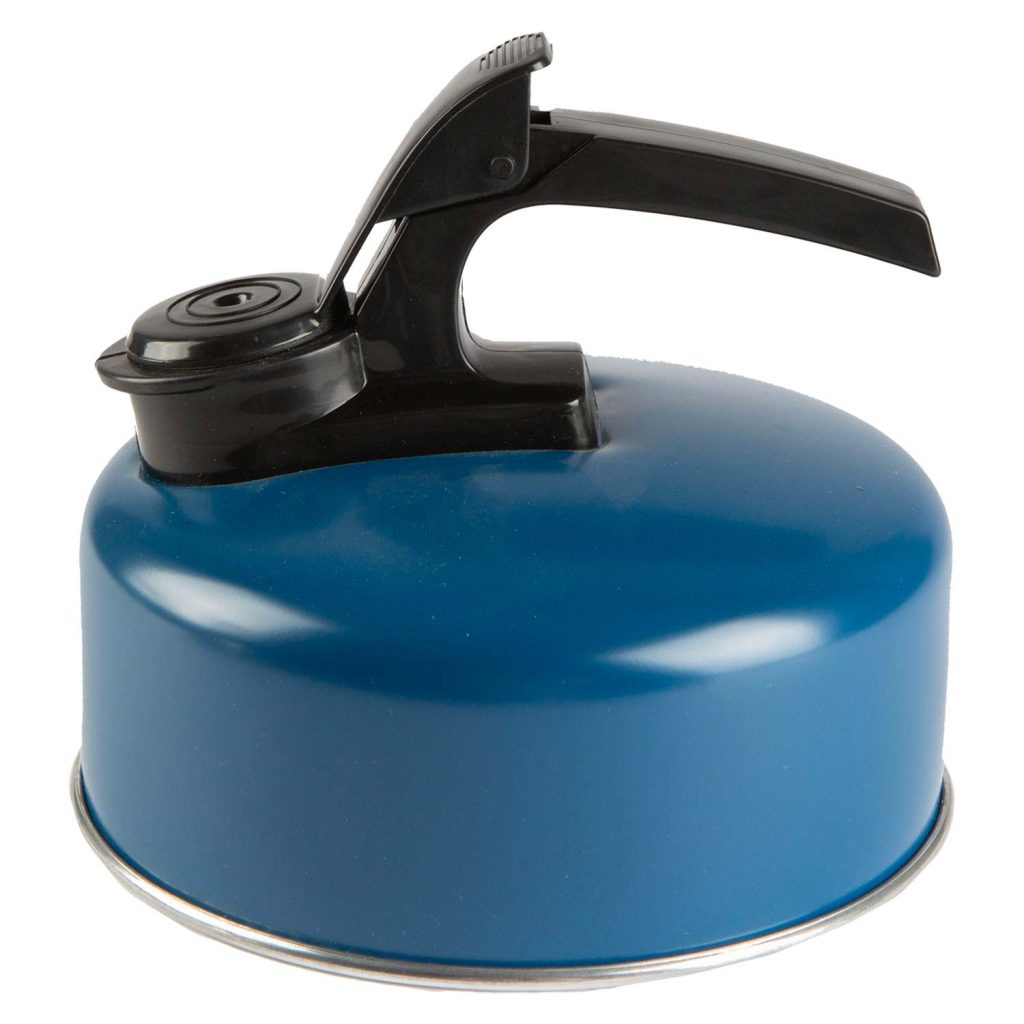
Start with heat and water. Our stoves and burners cover portable gas stoves and liquid spirit burners, and our camping kettles are the thing you will use most often, usually before anyone has said a word to each other.

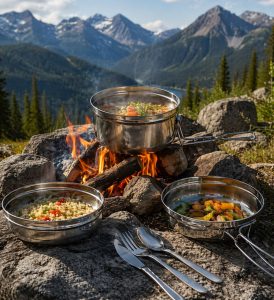
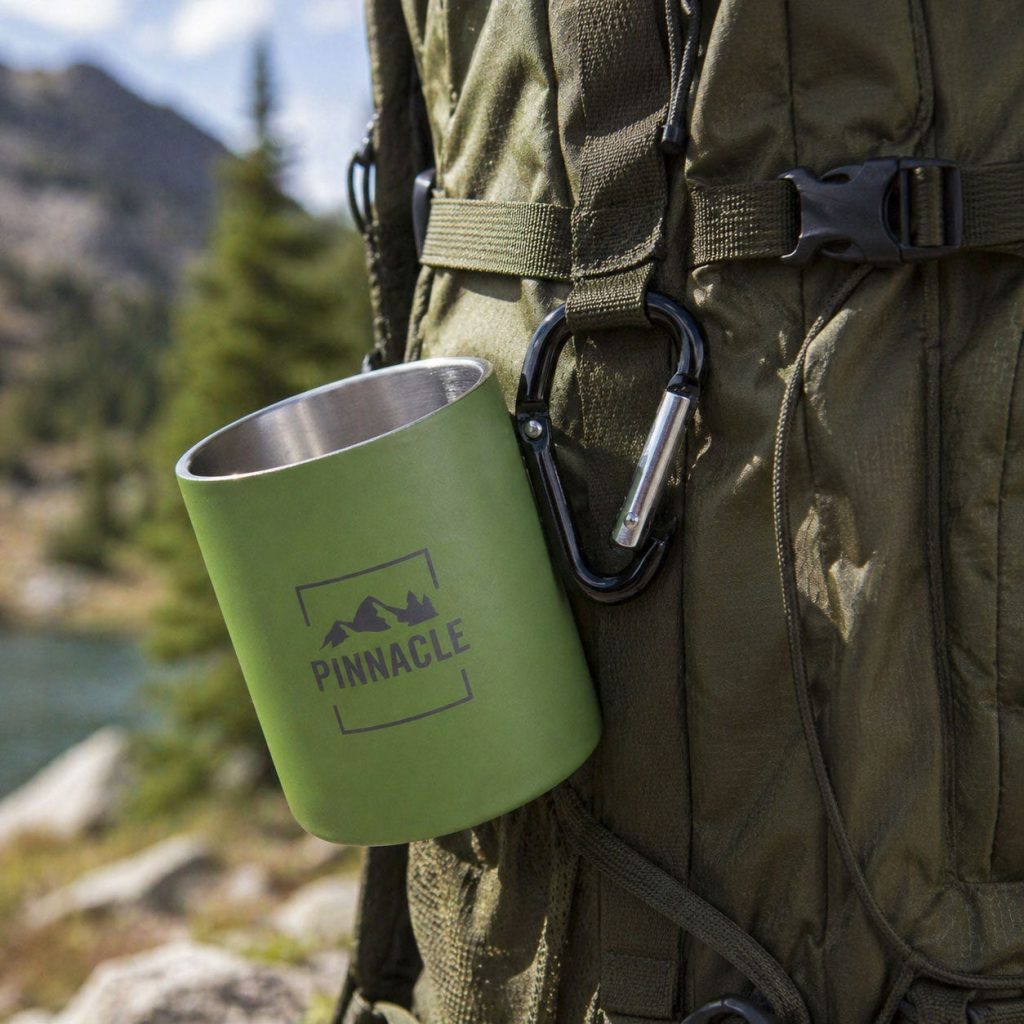
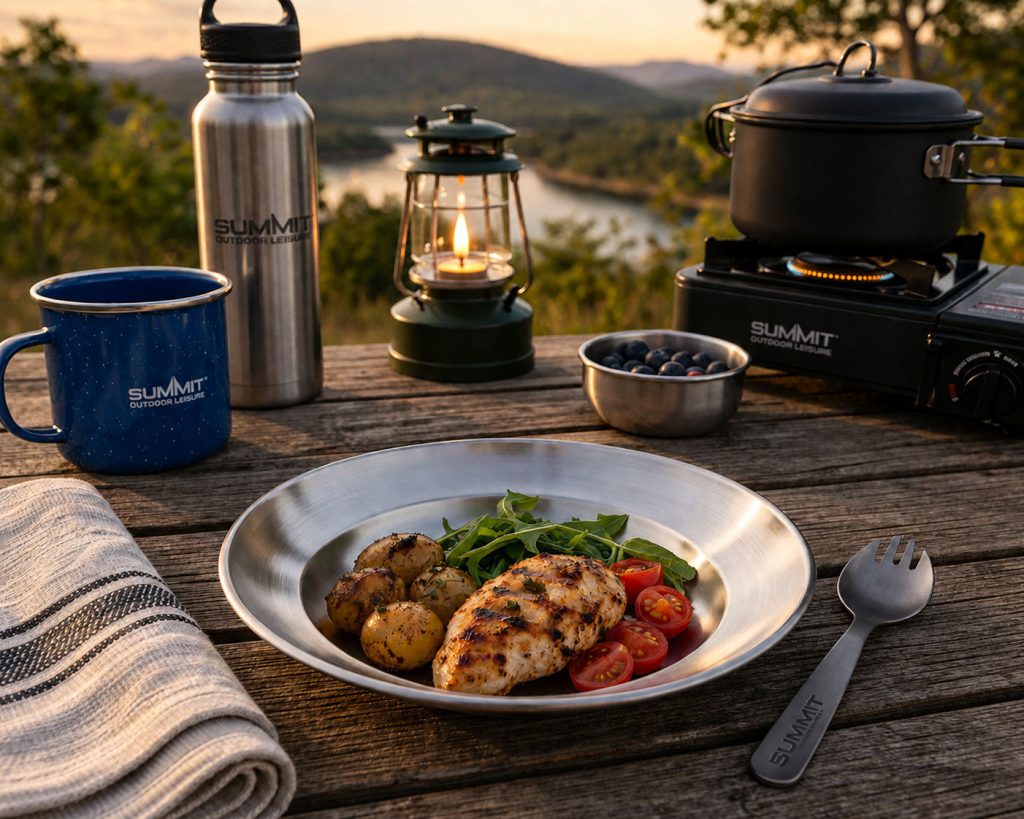
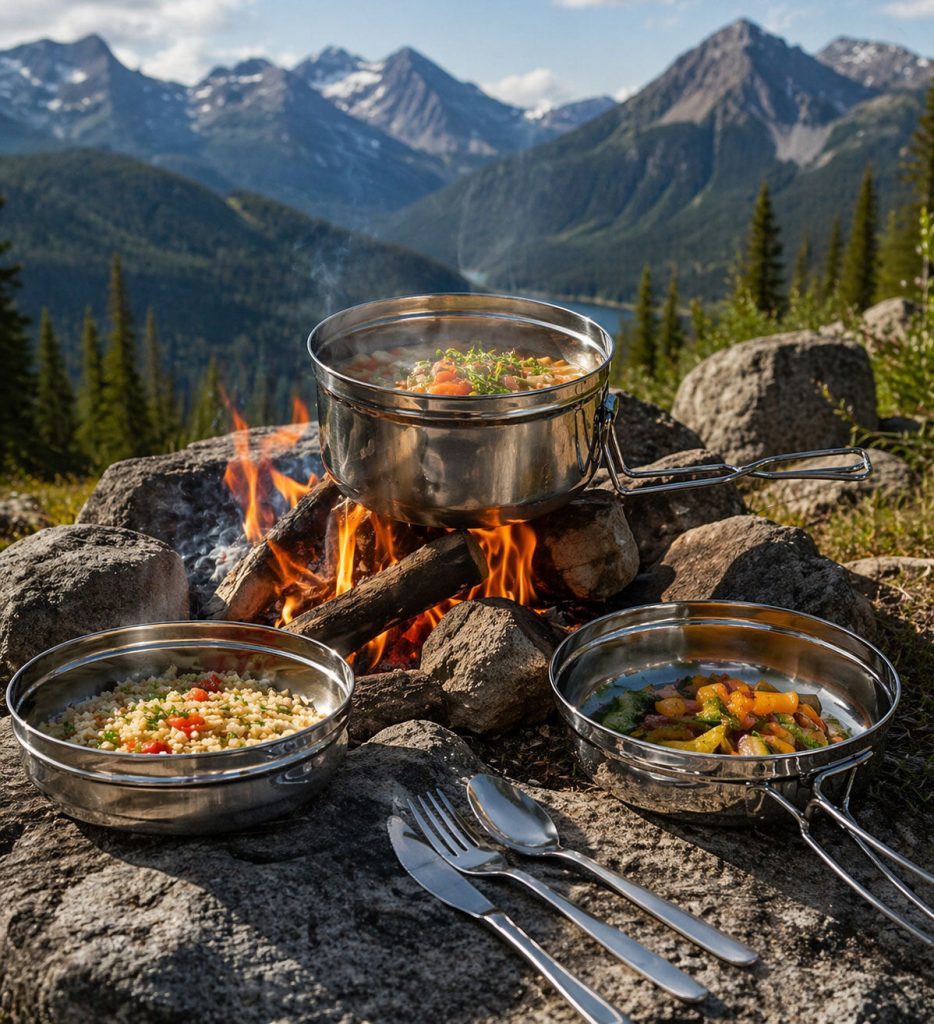
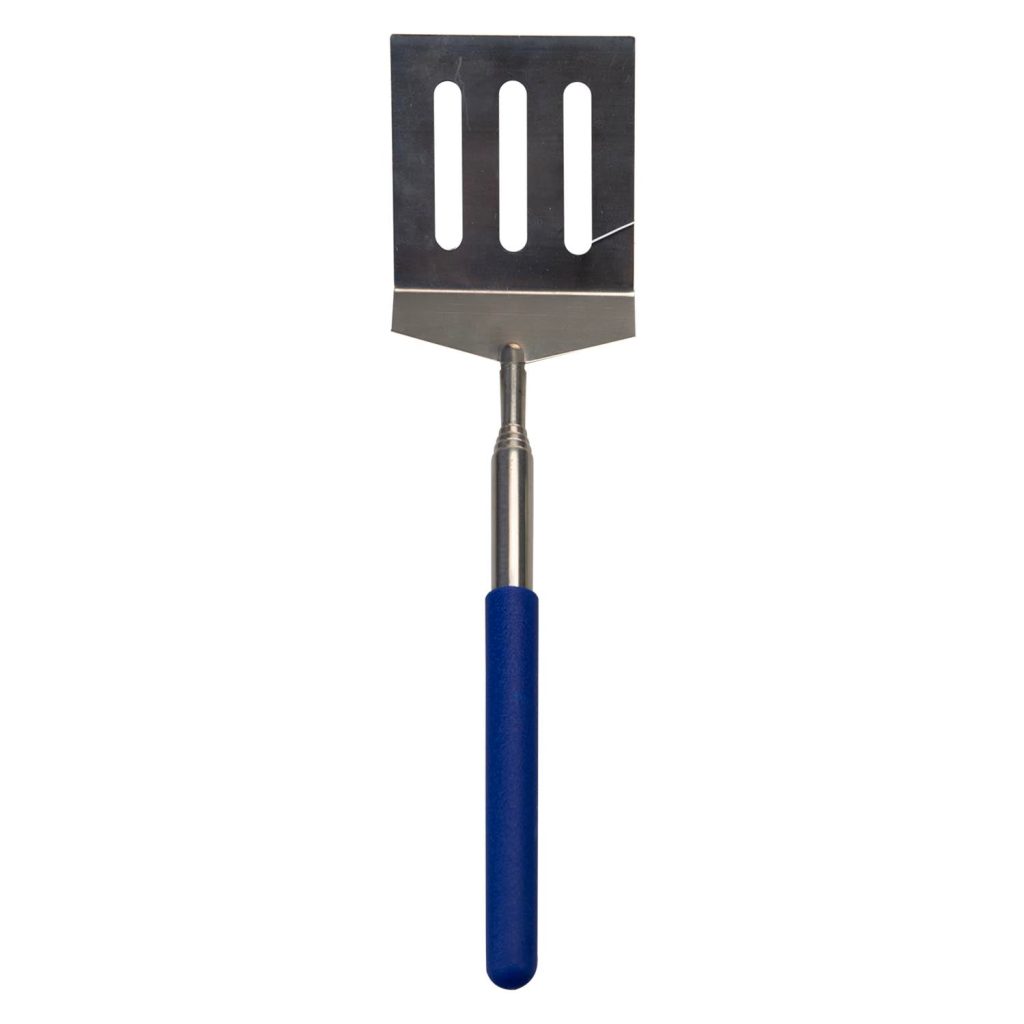
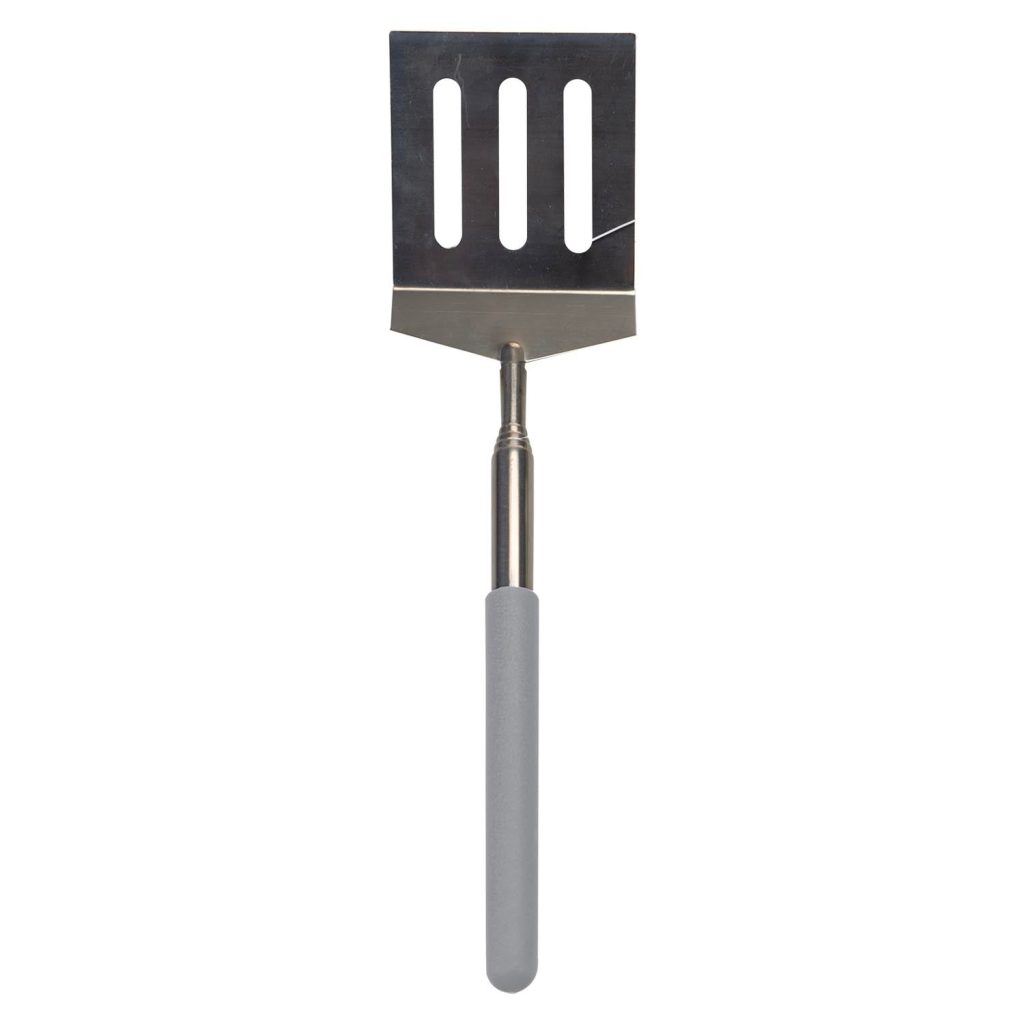
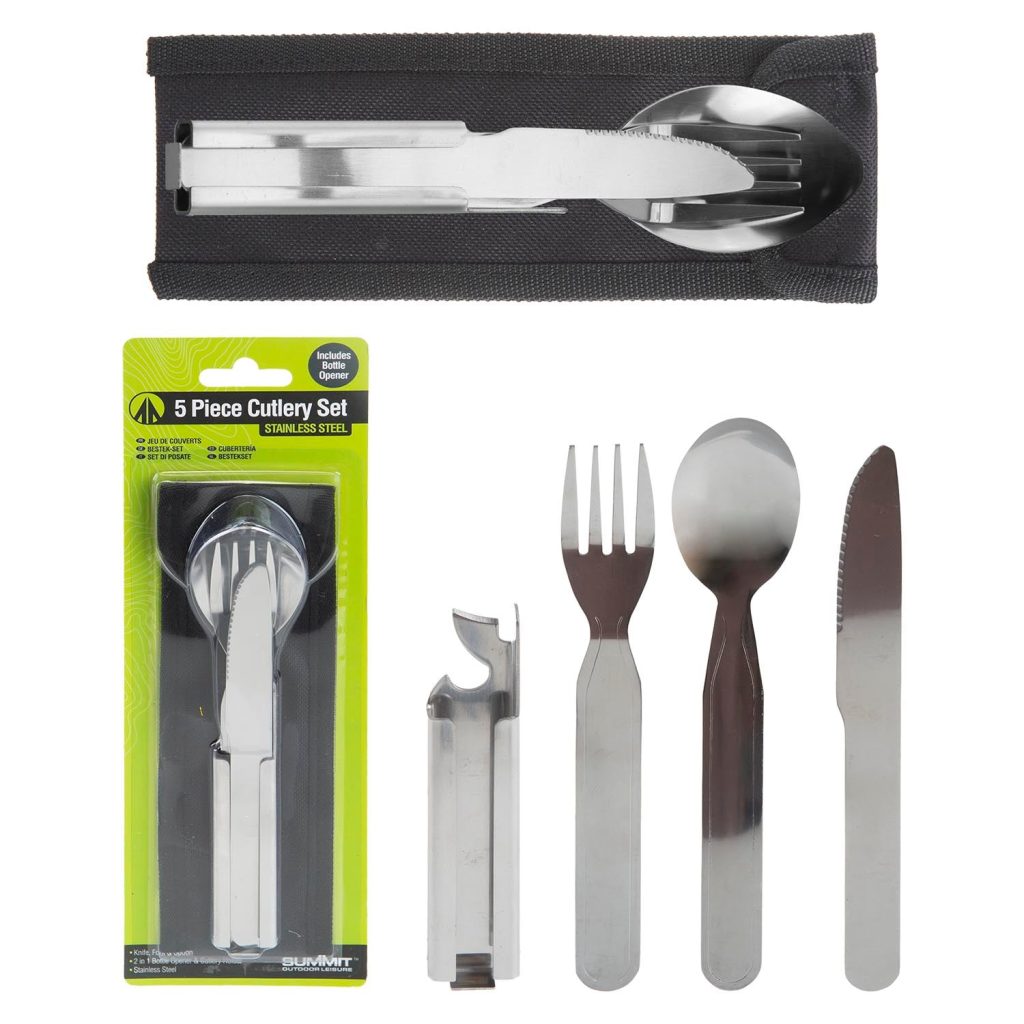
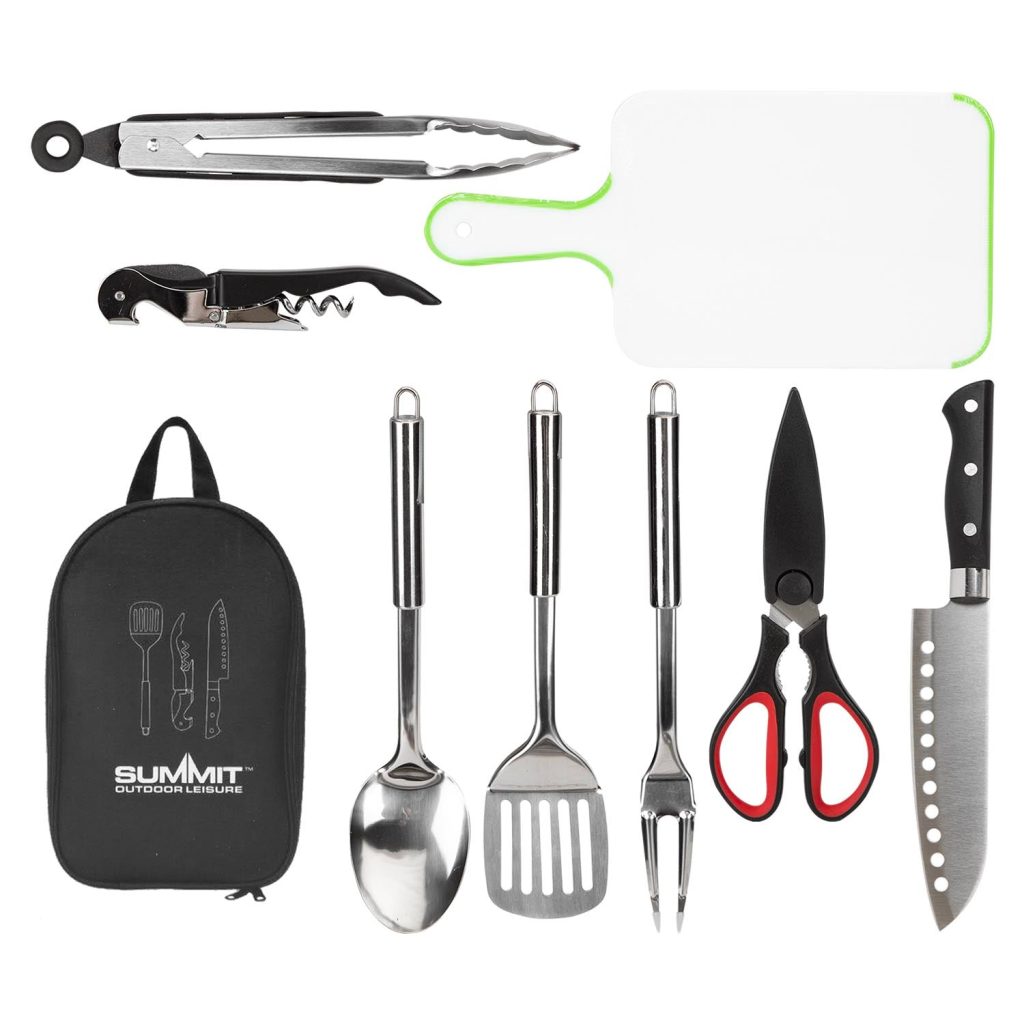
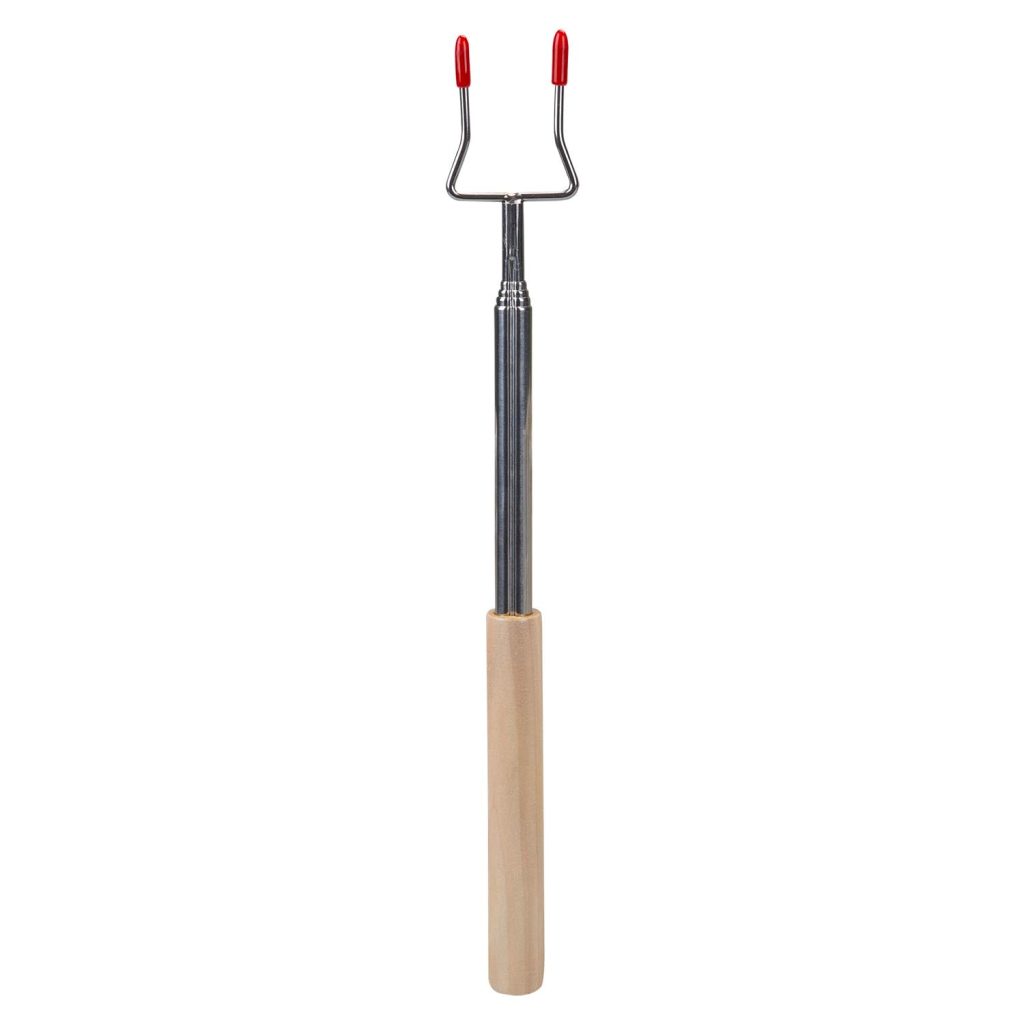
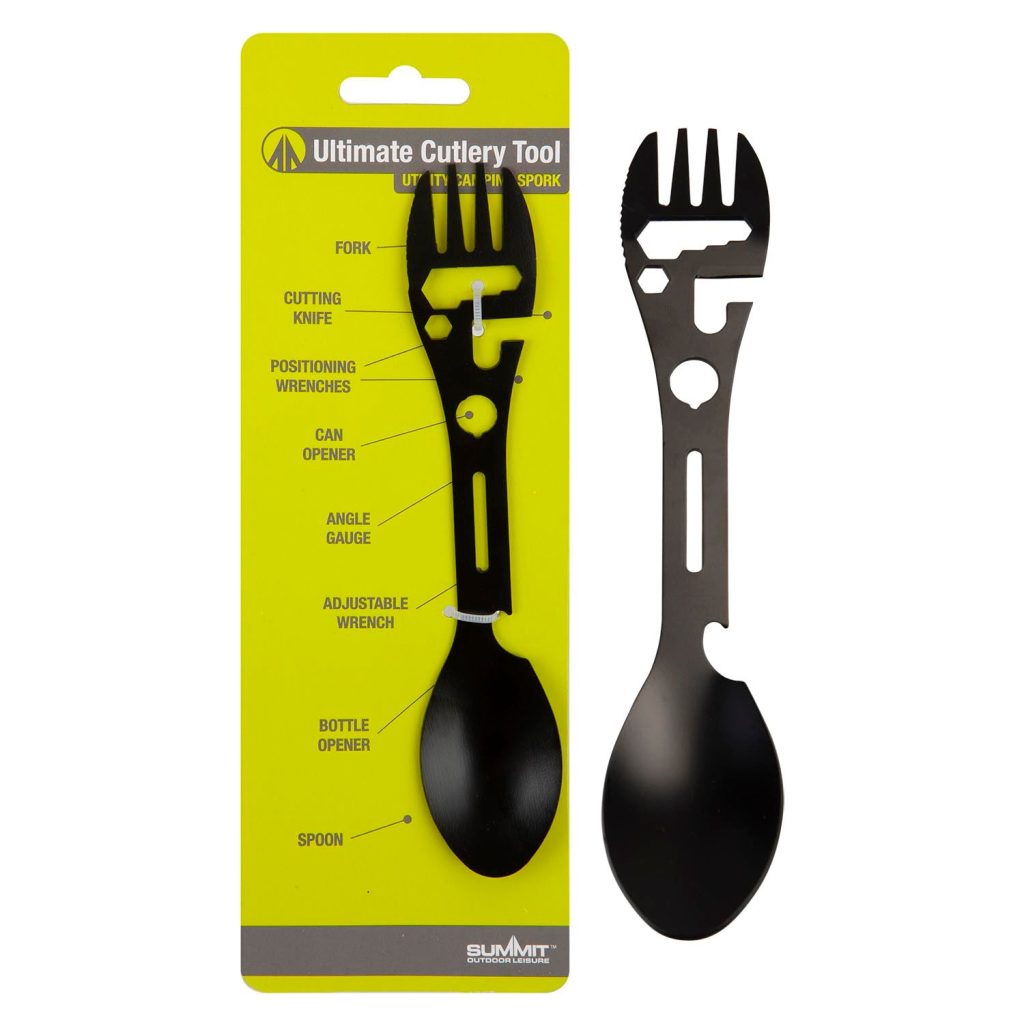
Then what you cook in and eat off. Our cookware and cook sets nest together so a full set takes up about the space of one pan at home, and our camp kitchen accessories cover cutlery, plates, utensils and the extending spatulas and toasting forks that keep your hands away from the heat.

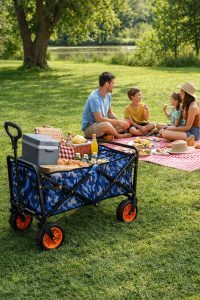
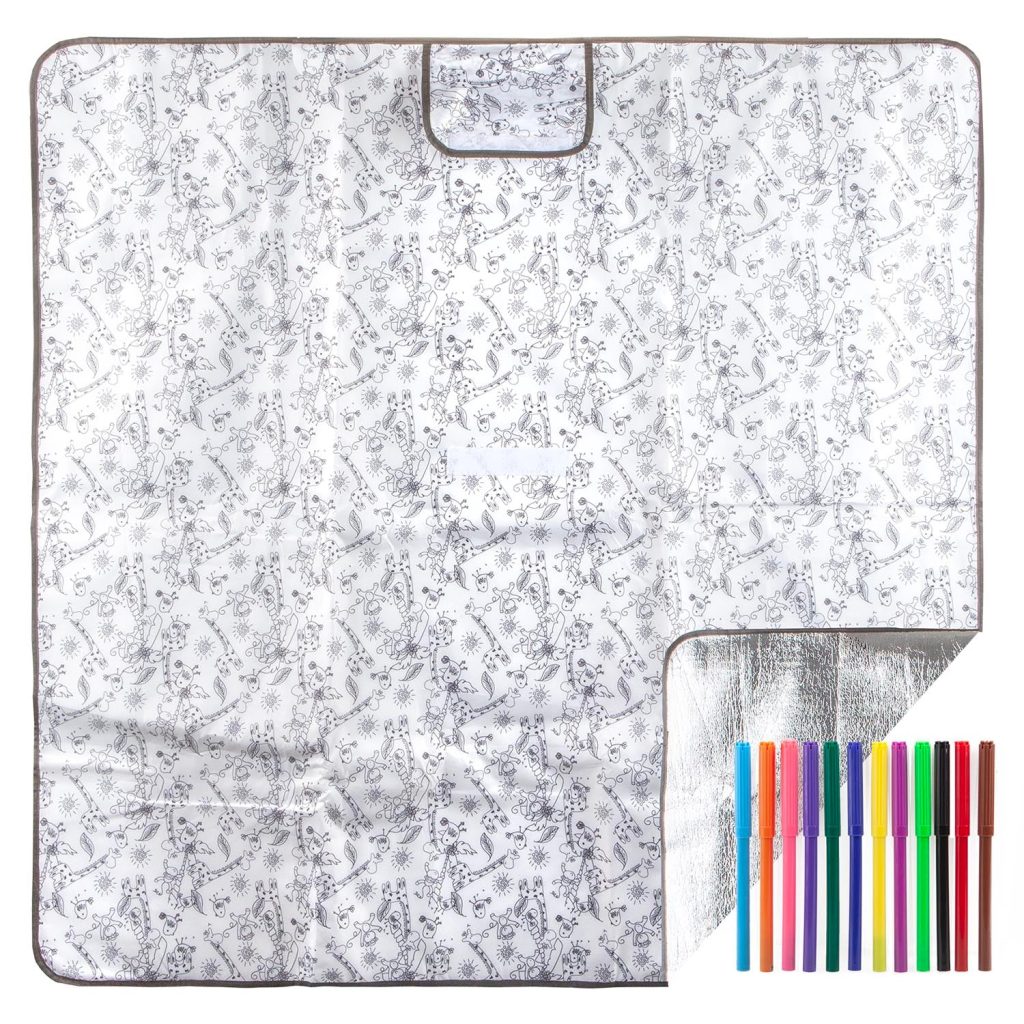
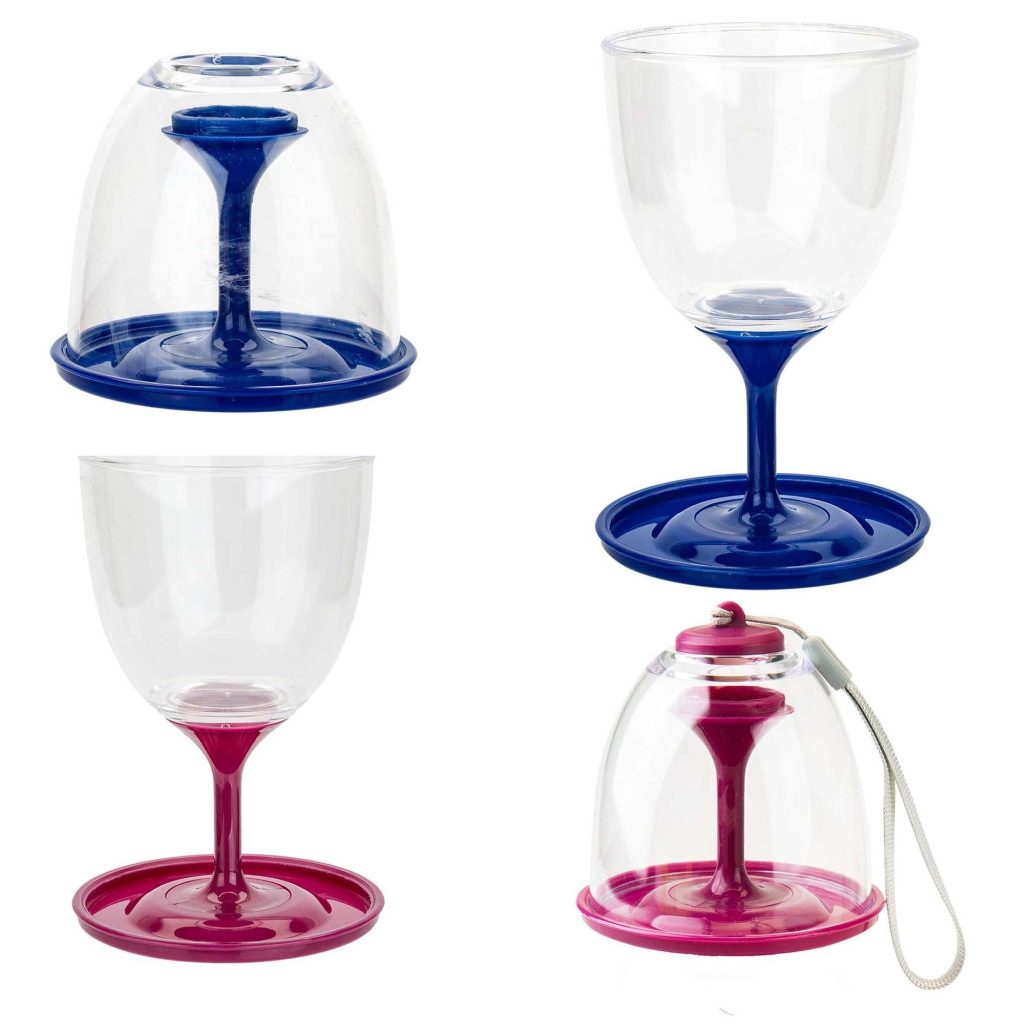
For eating outdoors rather than cooking, our picnic and dining range covers rugs, hampers and collapsible wine glasses, which work as well in a park or a back garden as they do on a campsite.

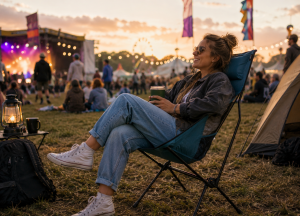
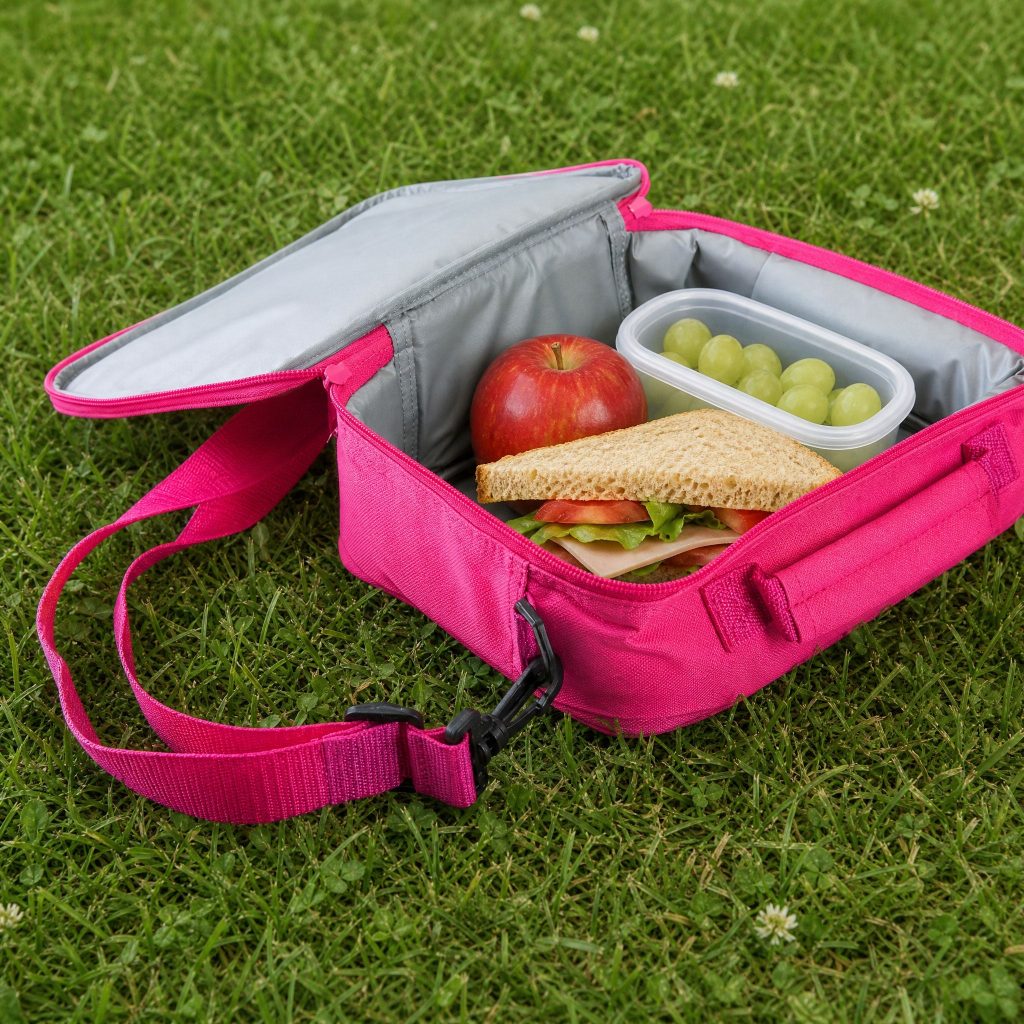
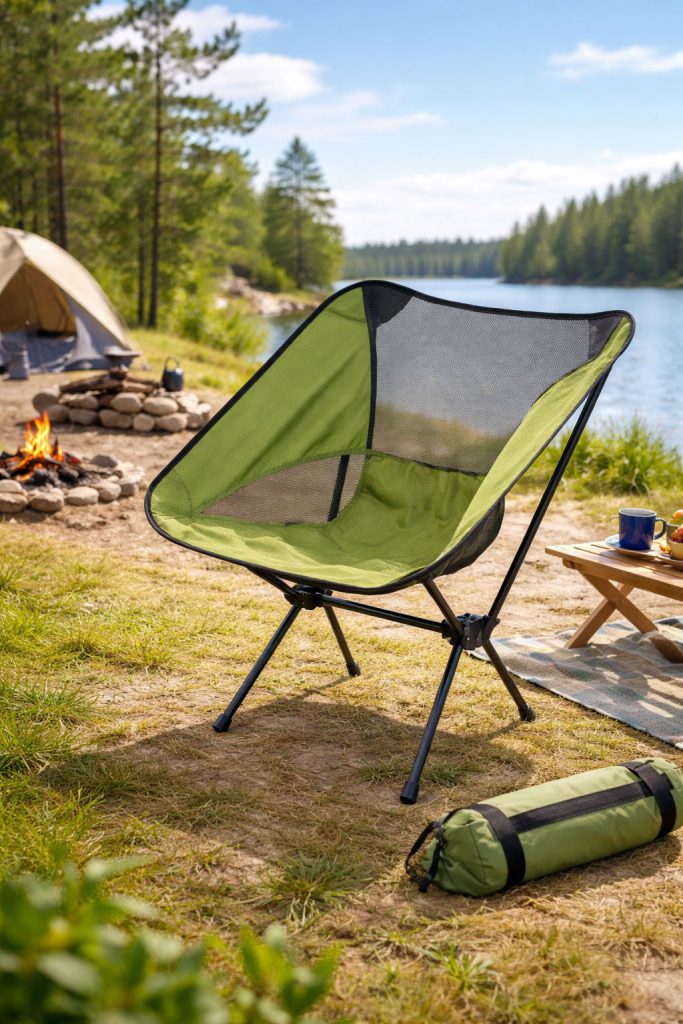
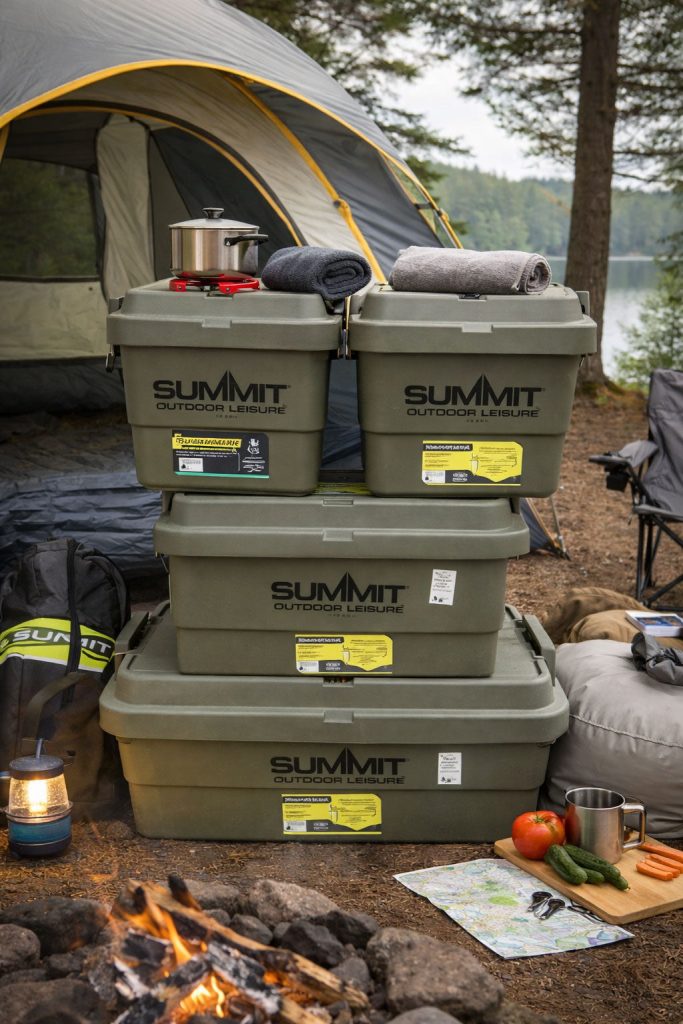
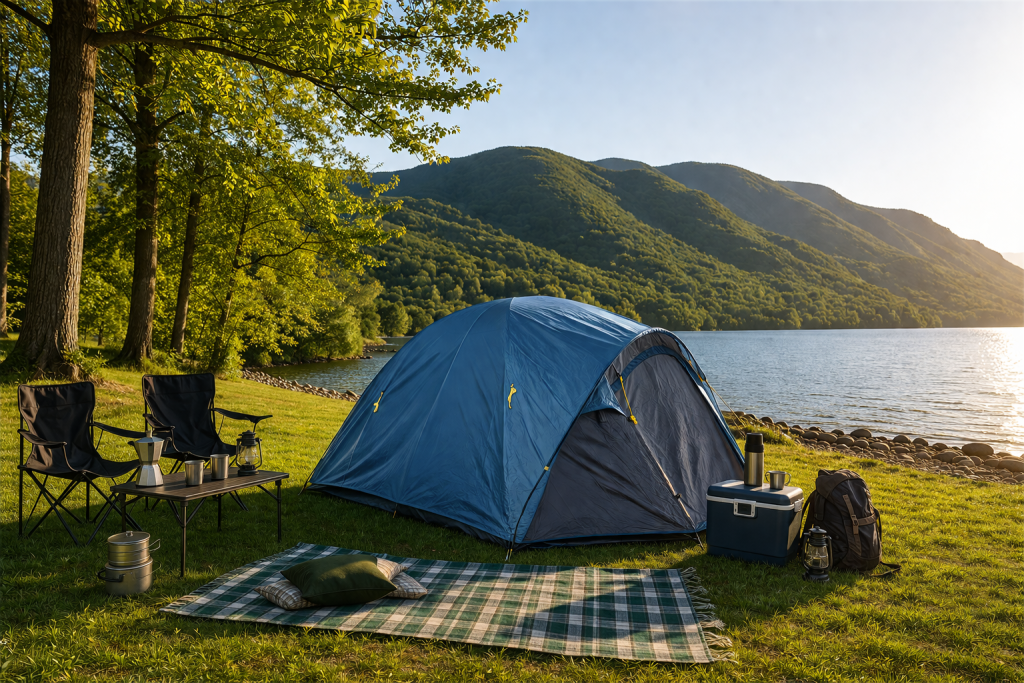
The practical advice is to keep it all in one box and pack it the same way each time. You will always be looking for a tin opener in the dark otherwise. Add a cool bag for anything that needs to stay cold, a camping table to prep on and camping chairs to eat from.
FAQs

What do you need for a camping kitchen?

A stove, a kettle, one pan, a plate and set of cutlery each, and something to wash up in will cover most trips. From there it depends on how much cooking you actually want to do. Building up over a few trips works better than buying a full set before you know how you camp.

Do you sell camping kitchen units or stands?

Not at the moment. We sell the kit that goes on one: stoves, kettles, cookware, cutlery and tableware. A folding camping table does the same job for most people and packs down a lot smaller than a dedicated kitchen stand.

How do you keep food cold when camping without a fridge?

A cool bag with frozen ice packs will hold food safely for a day or two if you keep it in the shade and out of the tent, which gets hot. Freeze what you can before you travel, plan the fresh food for the first night, and move to tins and dried food after that.

How do you wash up at a campsite?

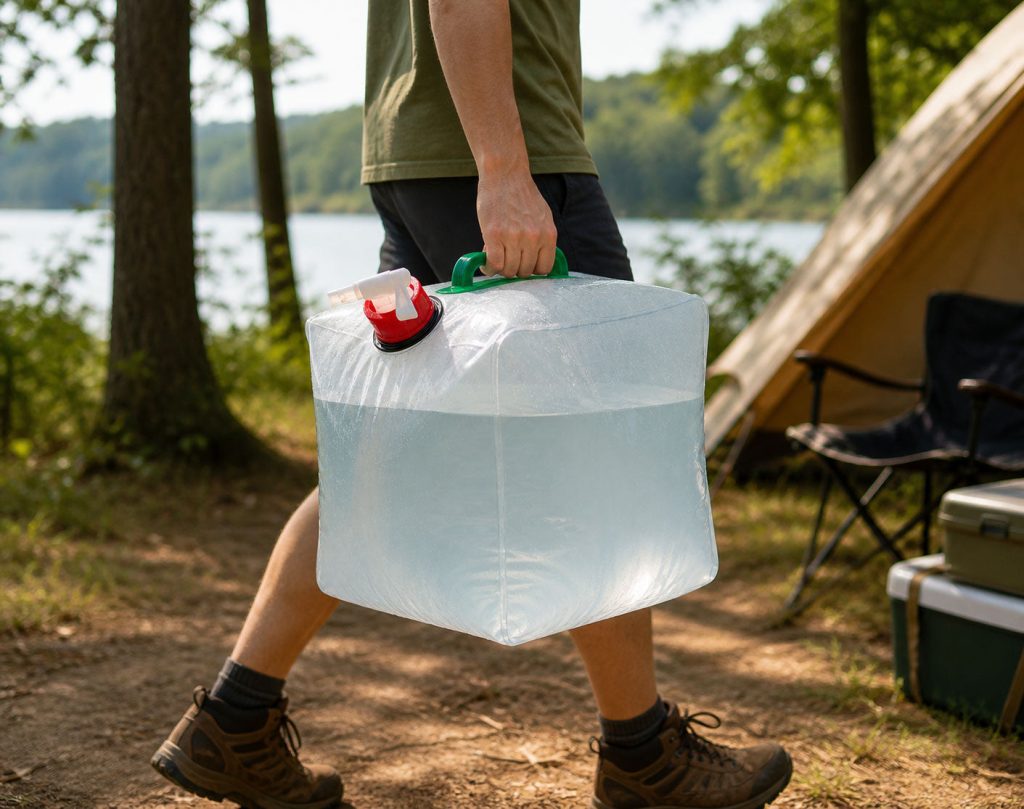
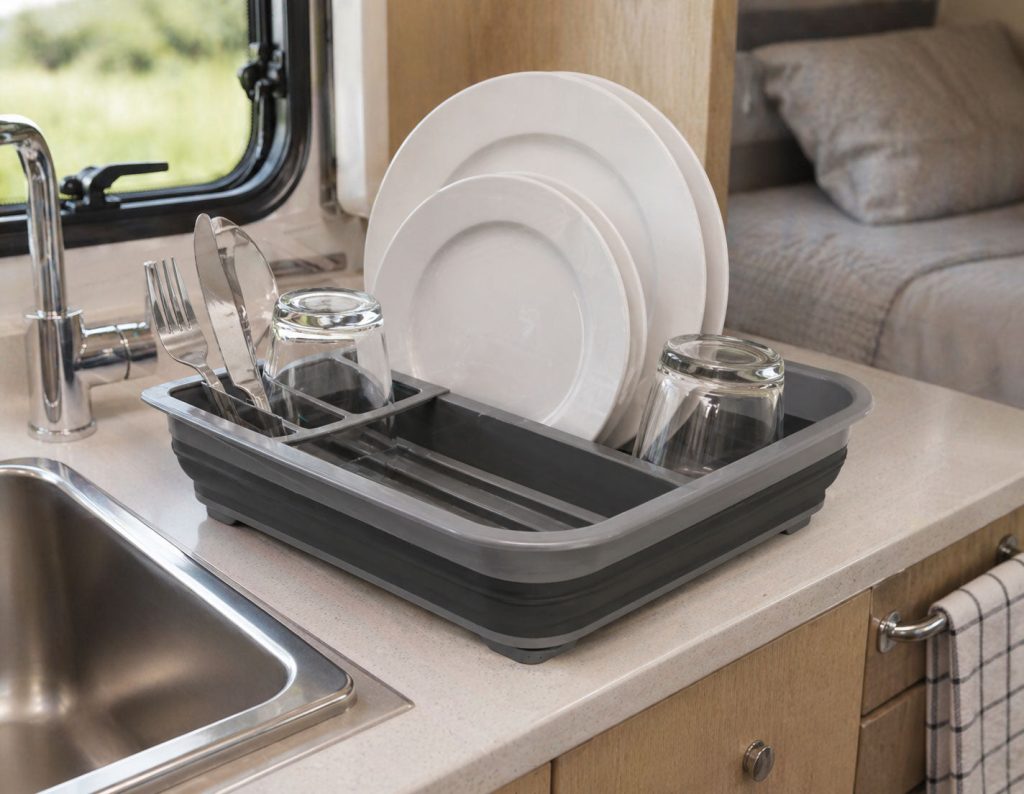
Use the washing up facilities if the site has them. If not, use a bowl rather than a running tap, and empty waste water at the designated point rather than on the grass. Wiping plates before washing saves a surprising amount of water and effort.

What food is easiest to cook when camping?

Anything that works in one pan. Pasta, chilli, curry, sausages and eggs all cook on a single burner with minimal washing up. Prepping and freezing a meal at home for the first night means you arrive, heat it through and eat rather than cooking from scratch after a drive.

Where will your next adventure take you?

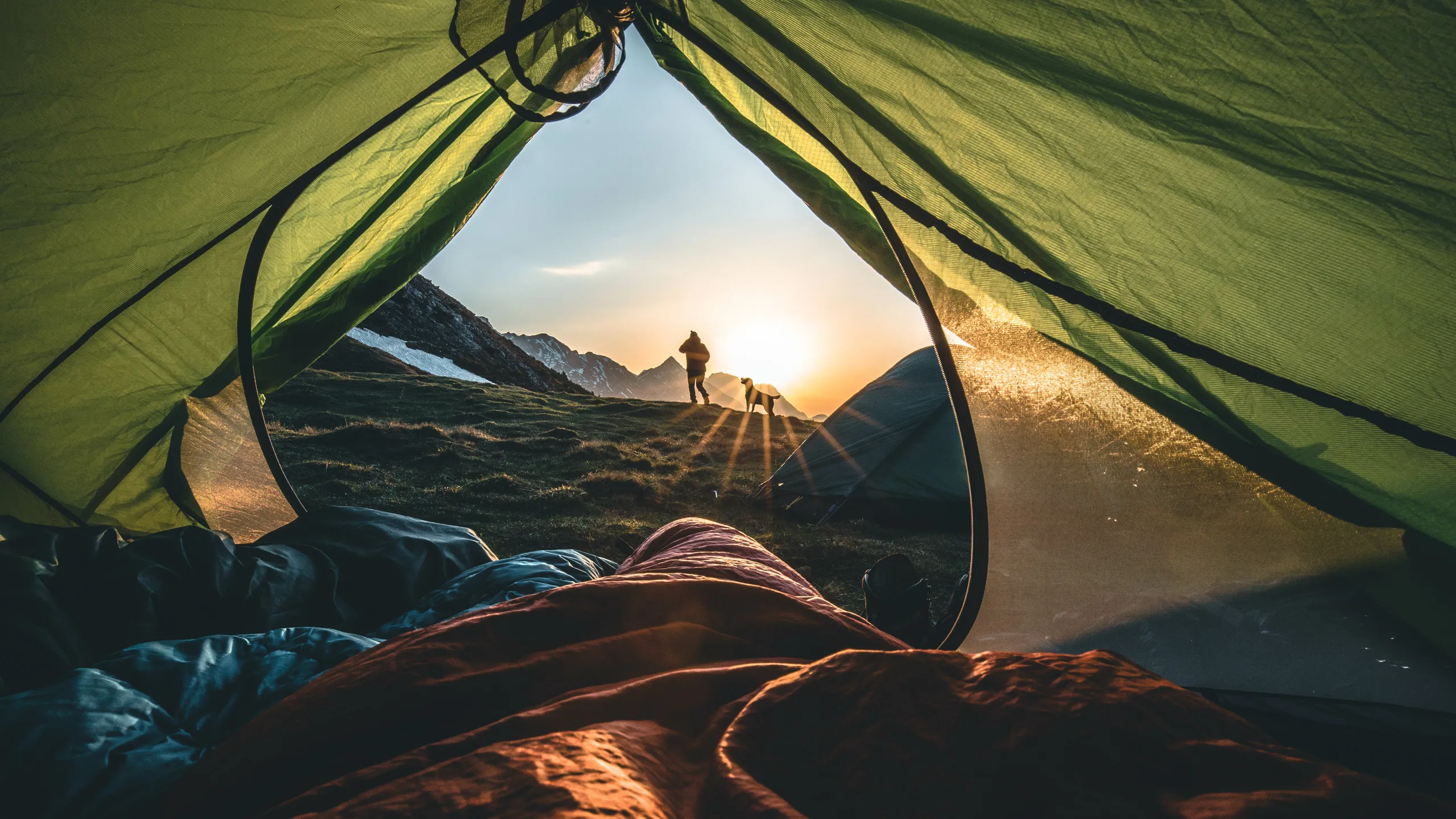
Whatever you've got planned; a long weekend under the stars, a festival in a field, or a once-in-a-lifetime expedition; we're here to help you make the most of it.

follow us