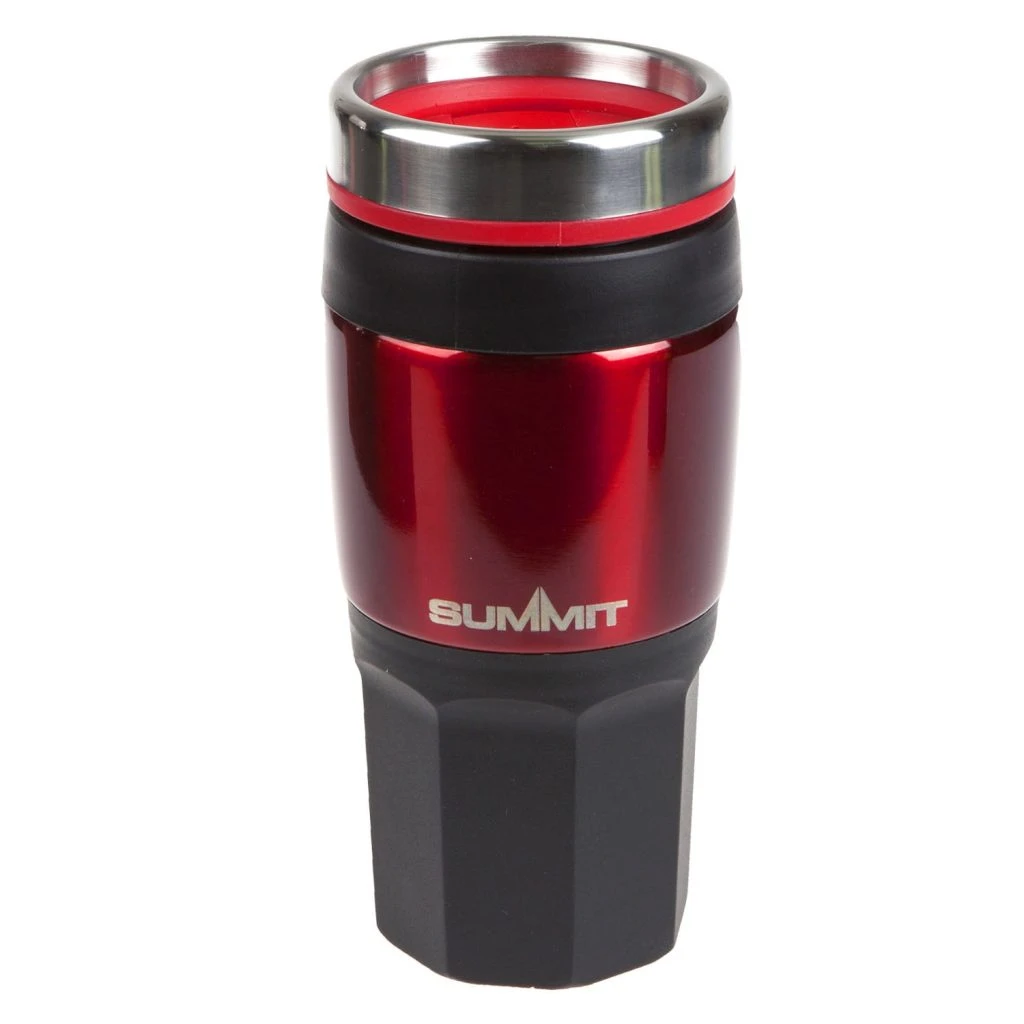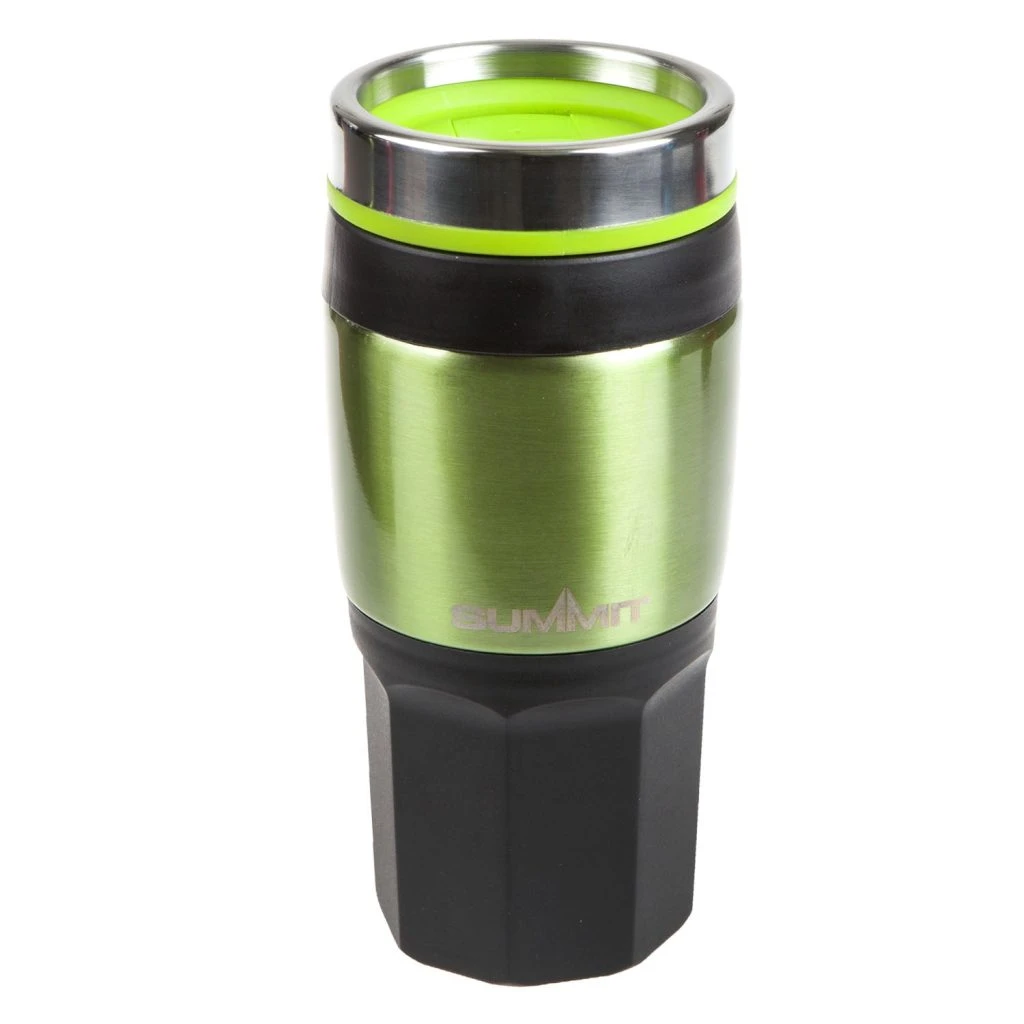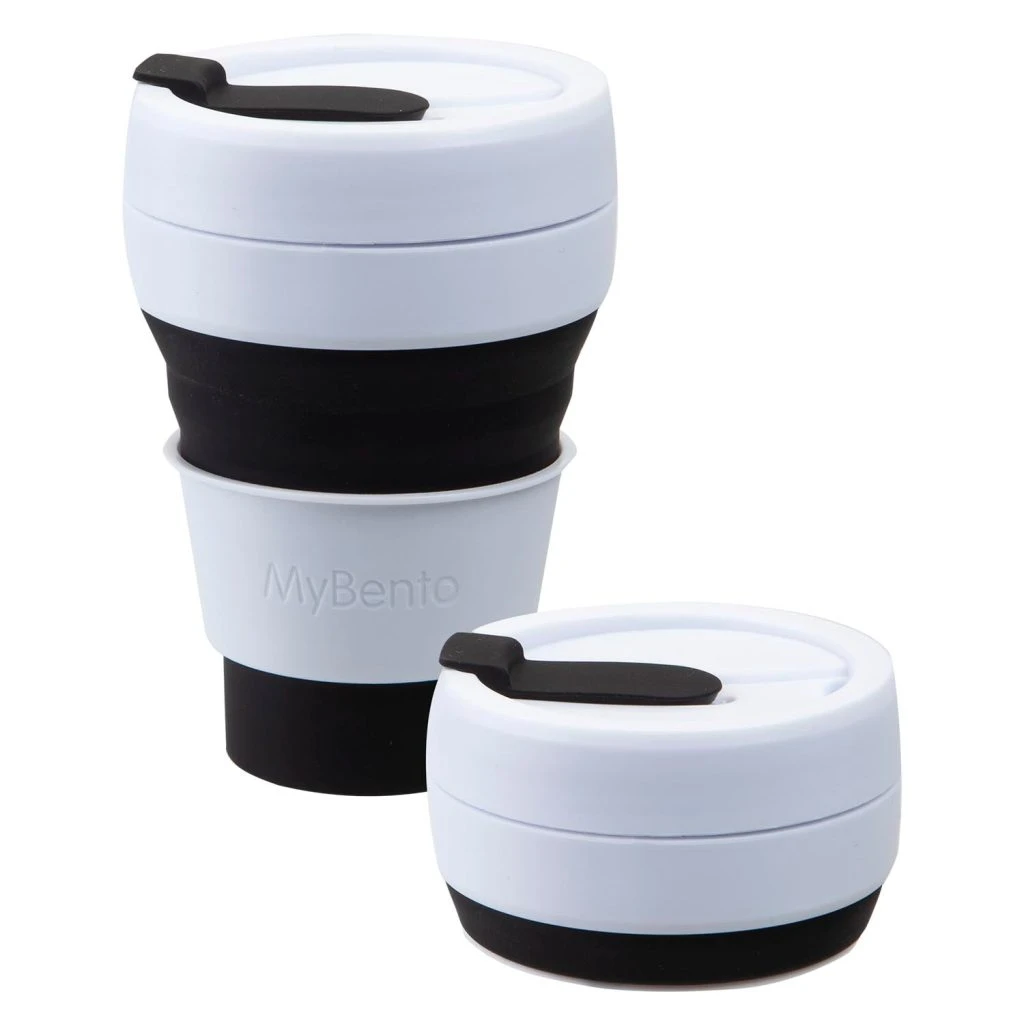



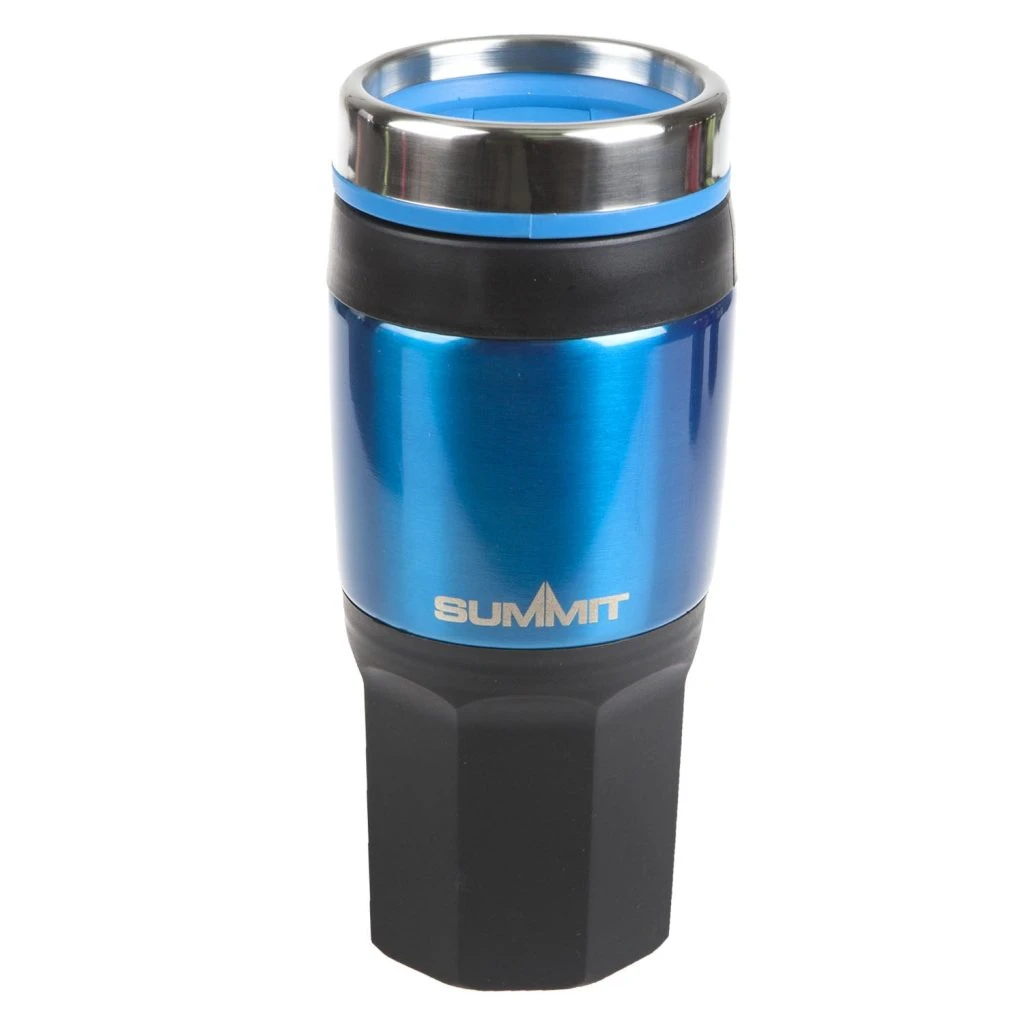
Travel Mug
£10.99
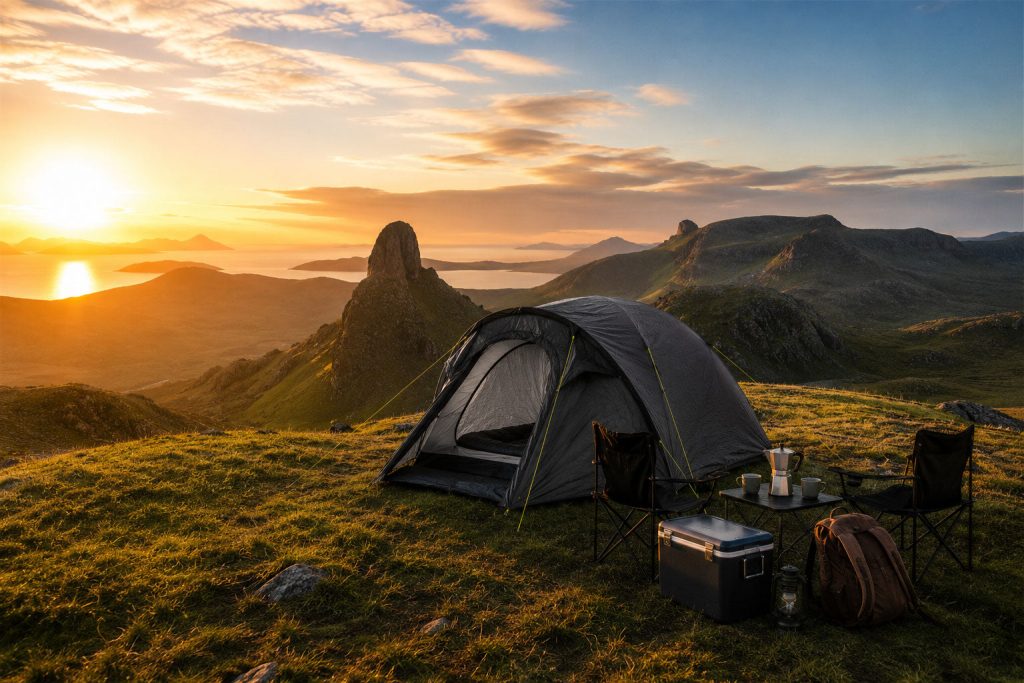
Camping drinkware for festivals, campsites and days out. Mugs, bottles, flasks and cool bags that clip on and pack down, at Summit Outdoor Leisure.

This is again my second one, great value for money, comfortable used in all weather’s prior. Plenty of space to move around inside quick and easy to set up 5 minutes max.
Verified Customer

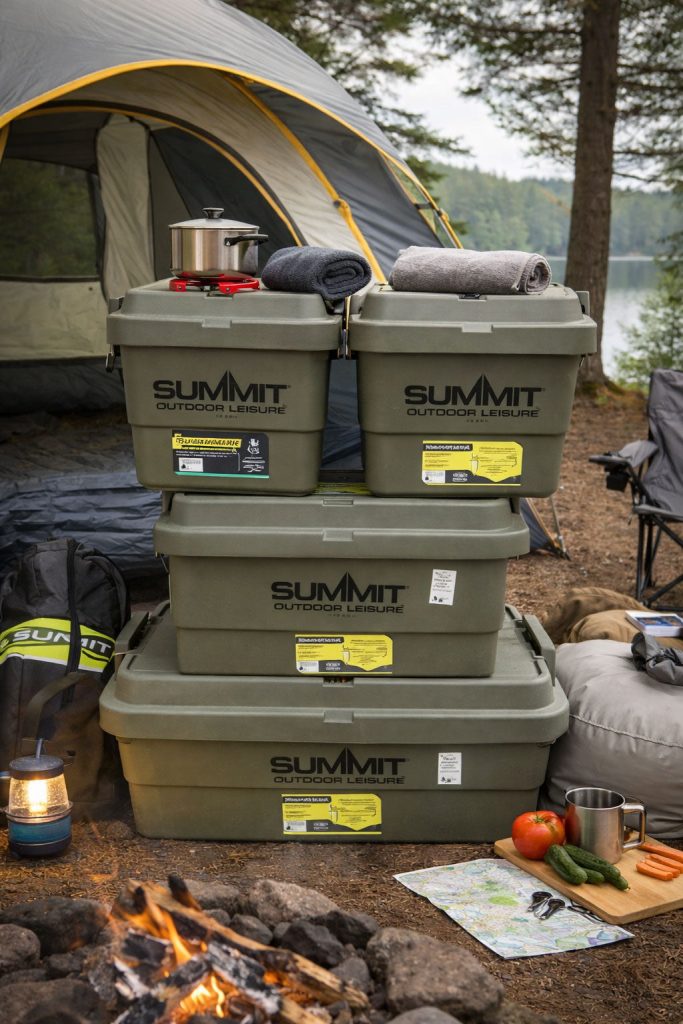
Really good quality for a fraction of the price compared to other brands. Brought mine for fishing bait and another for spares which I could leave in the back of the car when fishing. They stack on top of one another which is handy for storage. Feel nice and strong and not in any way heavy.
Verified Customer
Lightweight and comfortable. The quality that I was hoping to get. Affordable.
Verified Customer
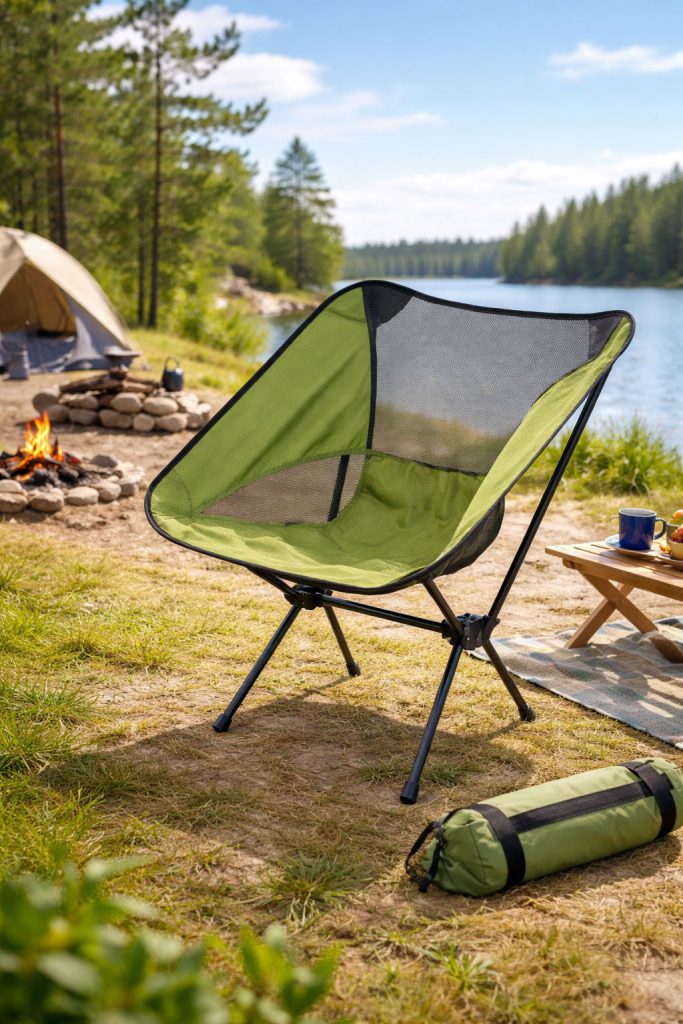
These chairs are brilliant. I found them to be quite comfortable and very sturdy, the moment you put your weight on them they instantly anchor to the floor. They are nicely packed away in the bag provided and just what you need from a folding chair.
Verified Customer
This camping chair is great it’s a massive improvement compared to a standard camping chair. Chair is extremely lightweight and the extra padding makes it nice and comfortable. Definitely worth the extra few quid. Comes with a really good quality carry bag with strap.
Verified Customer
A hot drink in the morning and a cold one in the afternoon cover most of what anyone needs from a campsite. The kit for both is cheap, small and easy to forget, which is why so many people end up drinking tea out of a pan.
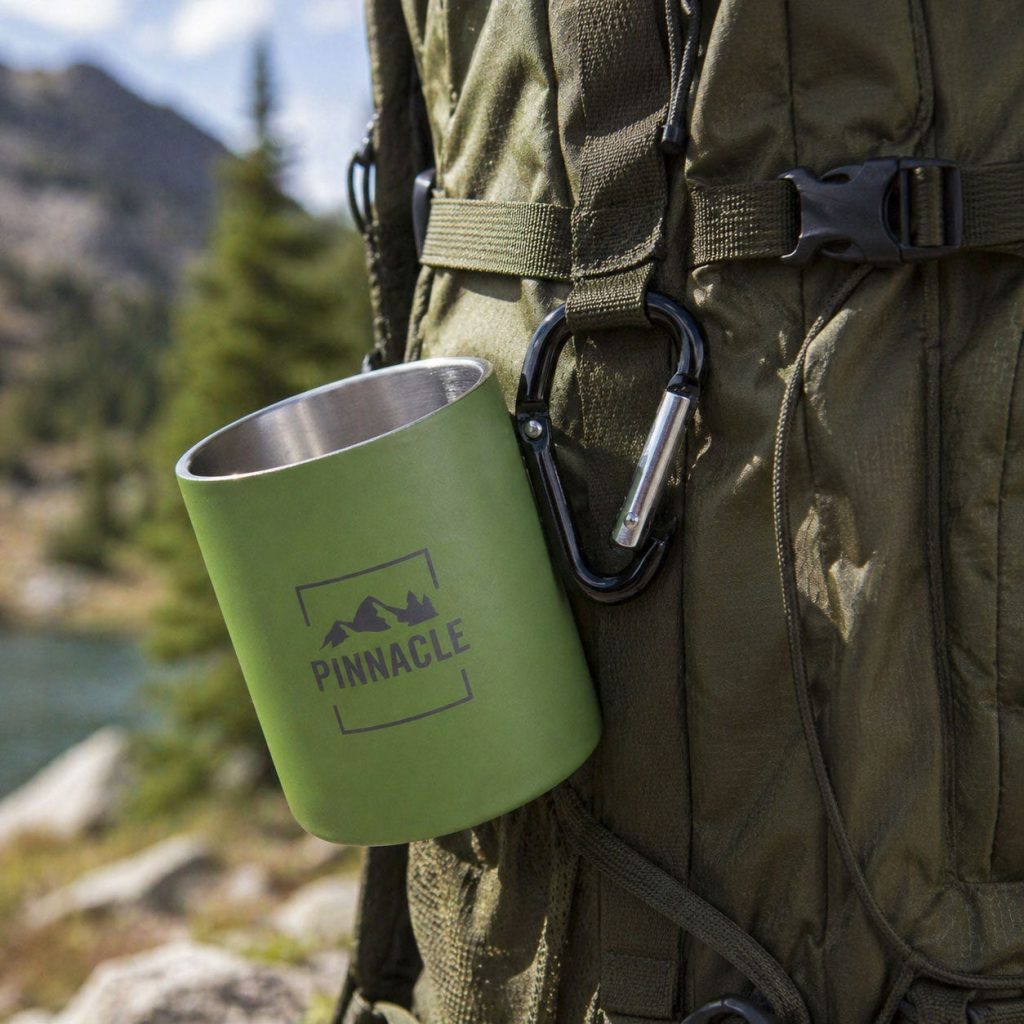
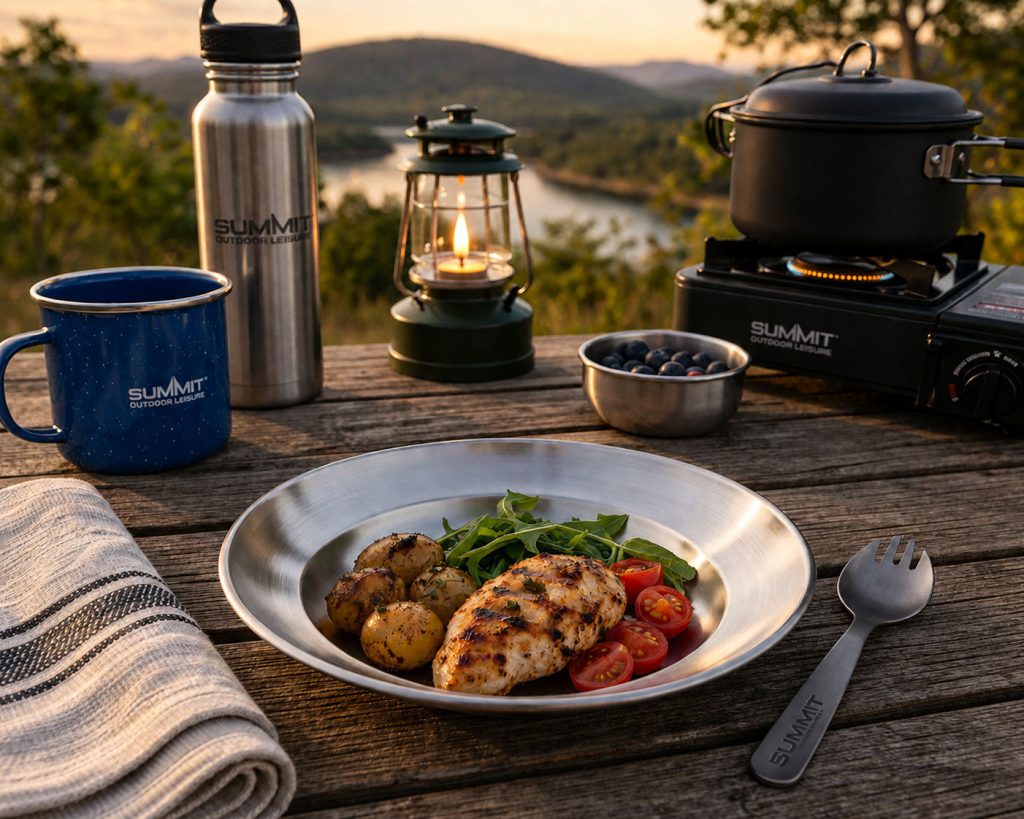
Our travel mugs and camping mugs are built for the job rather than the kitchen cupboard. Insulated ones hold heat while you are doing something else, and the carabiner handles clip straight onto a rucksack or a chair, which means you stop losing them.
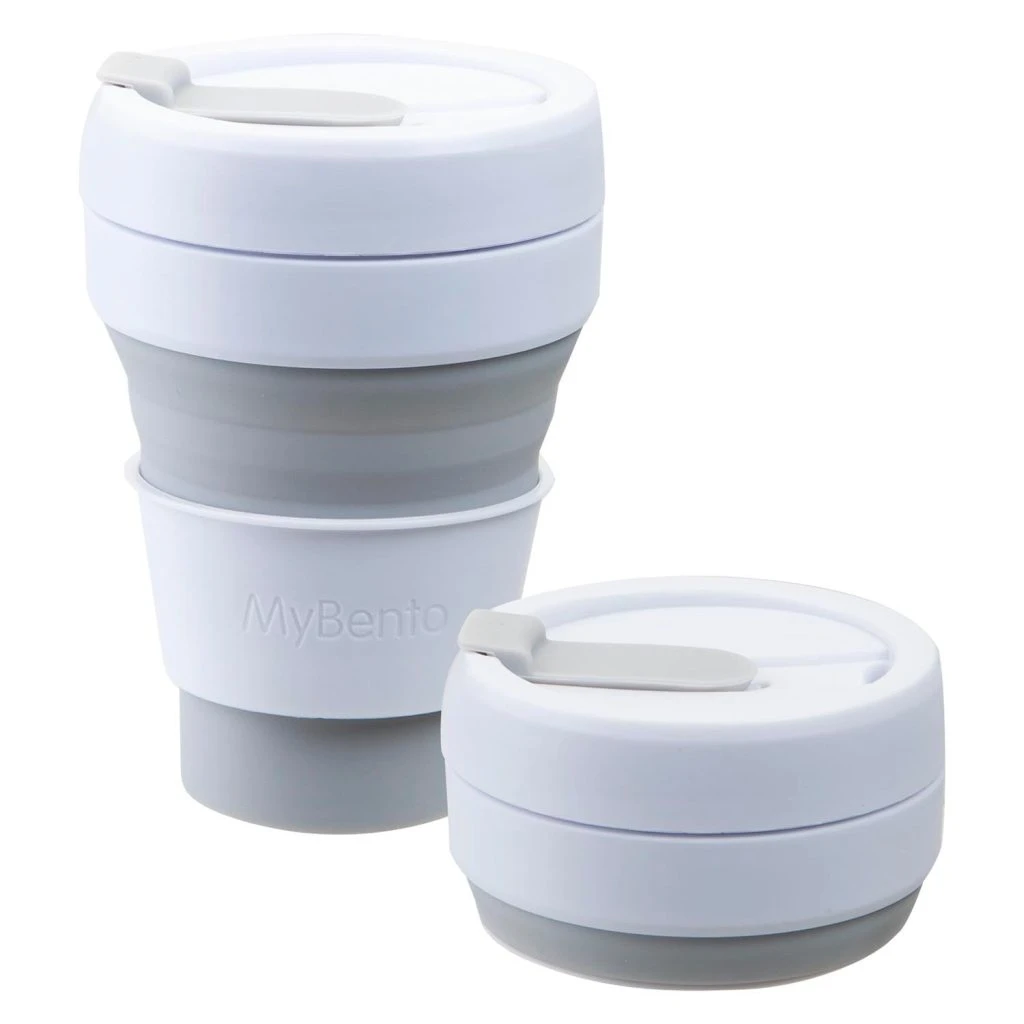
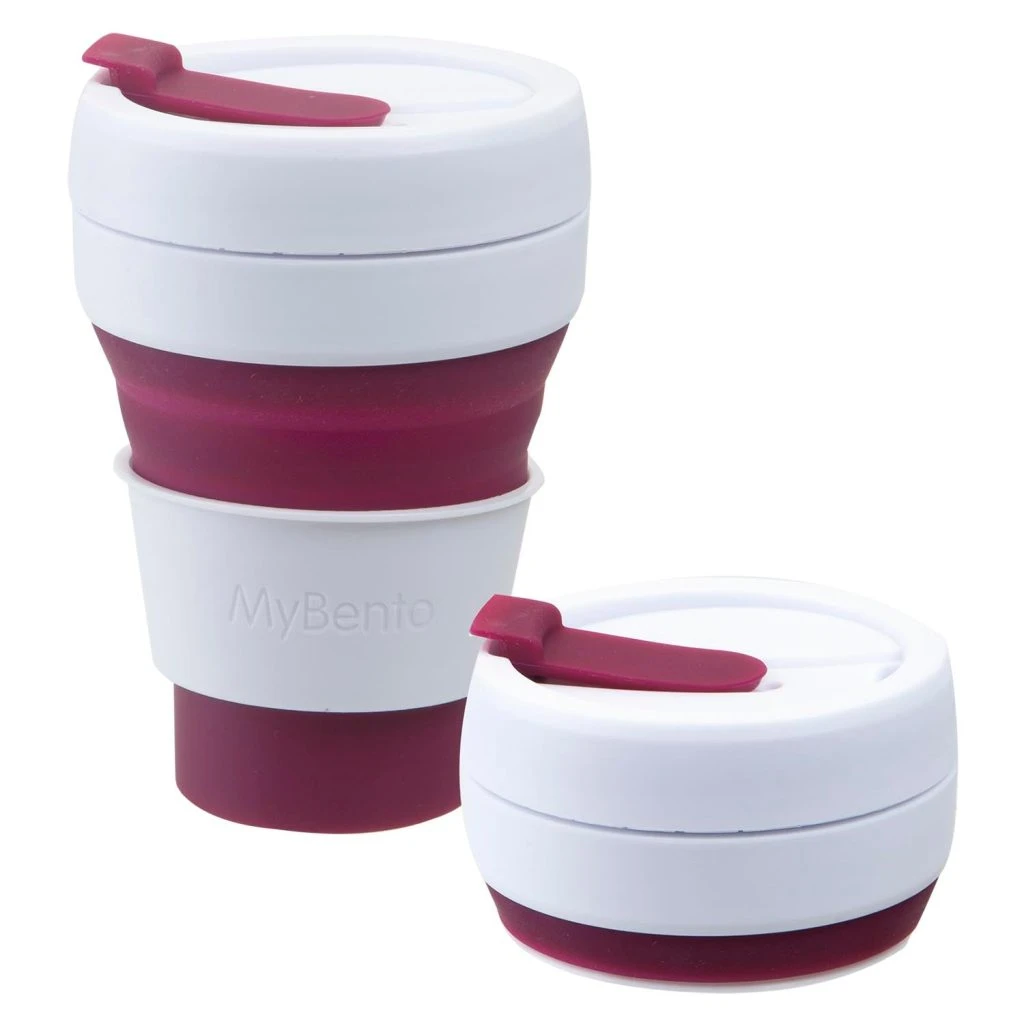
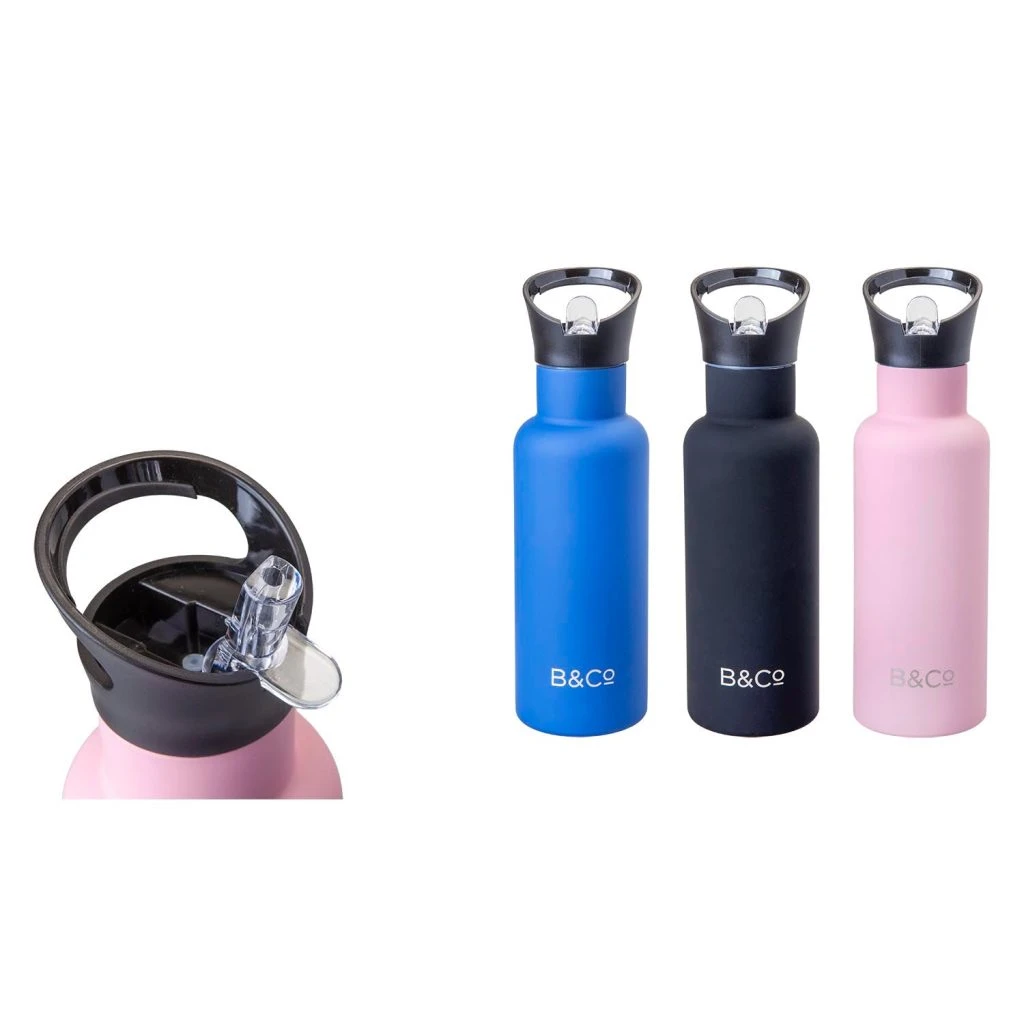
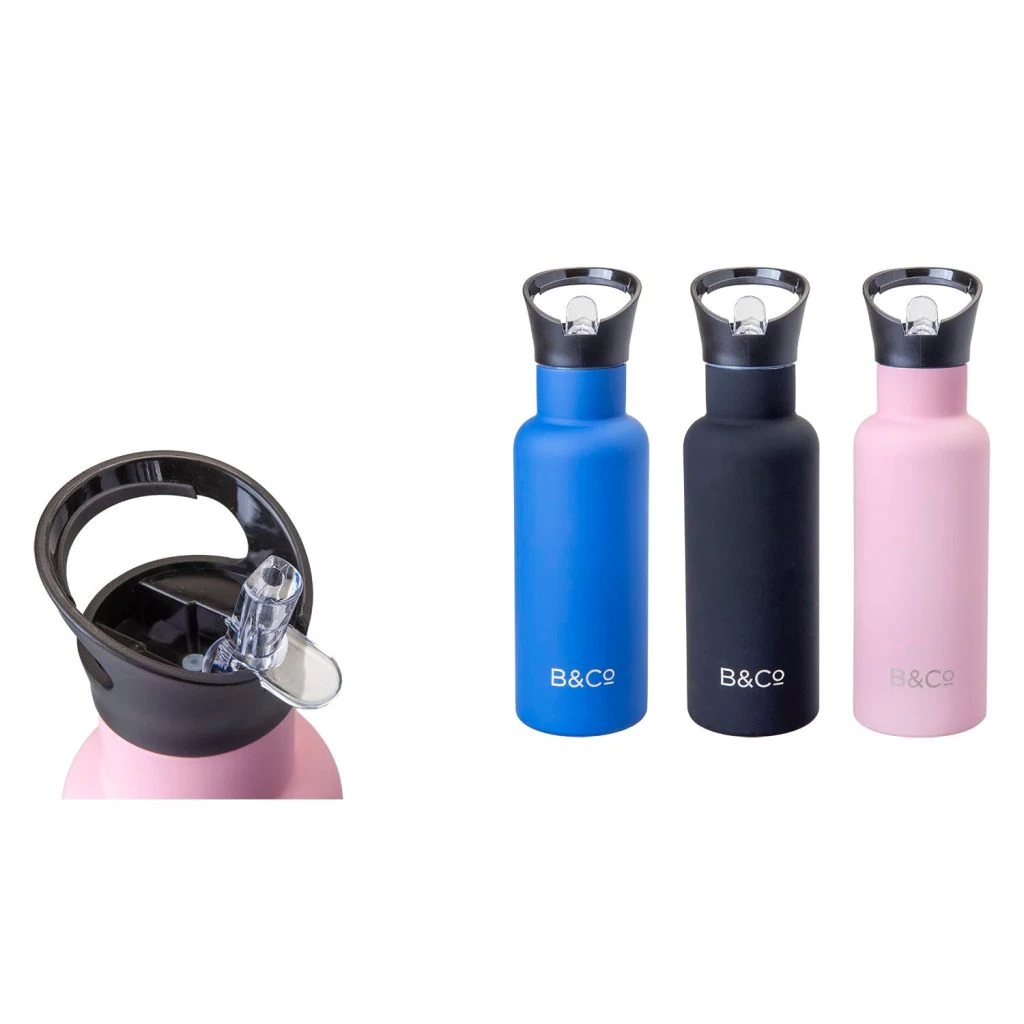
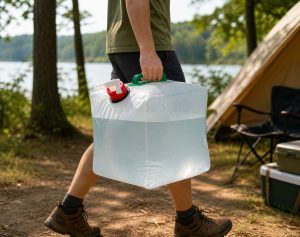
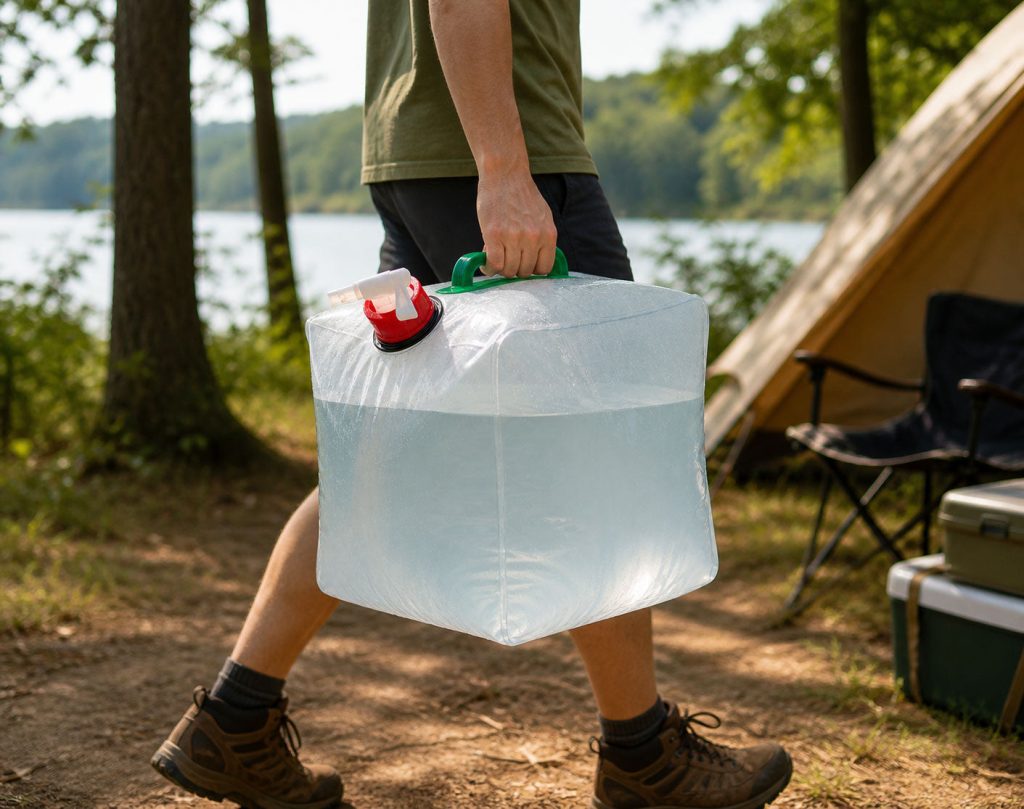
Our water bottles and flasks cover drinking and carrying. Collapsible bottles pack flat once empty, flasks keep drinks hot or cold for hours, and a water carrier is worth having if the tap is a walk from your pitch.
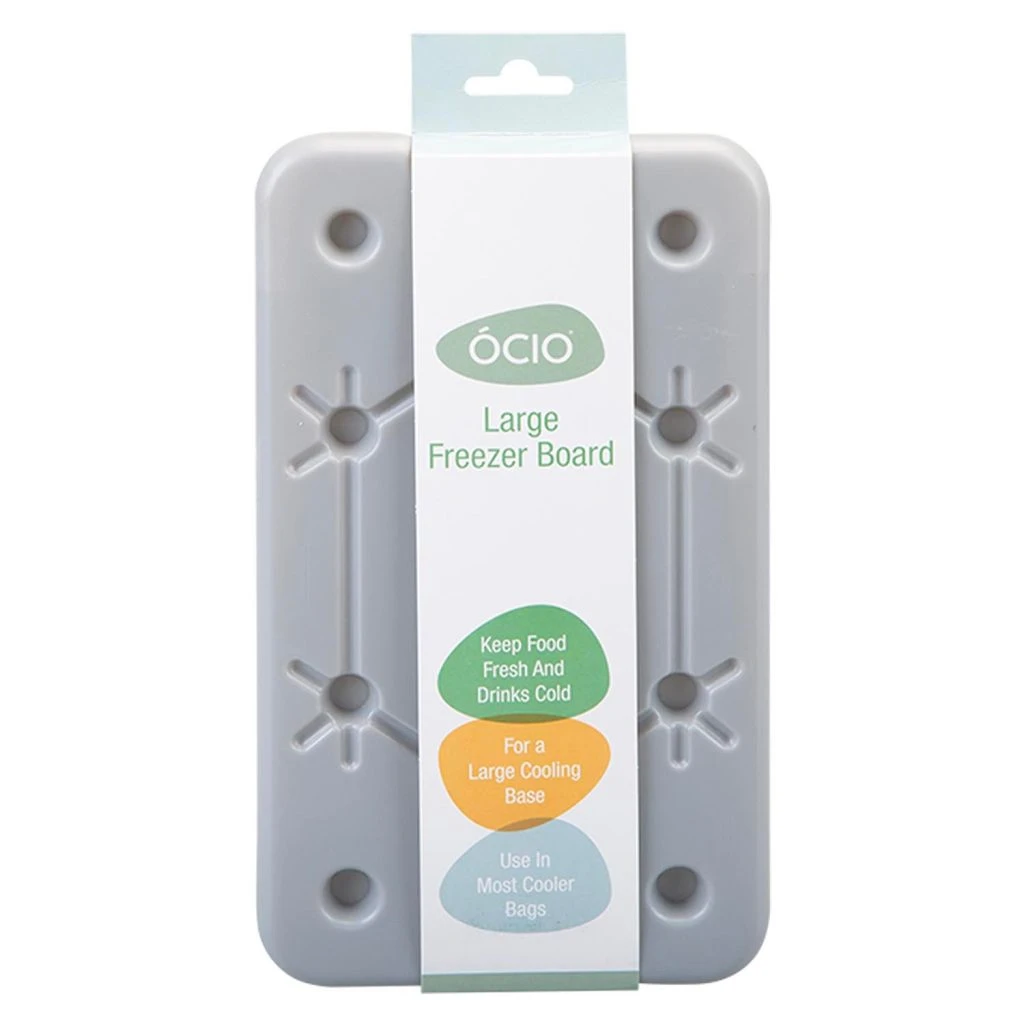
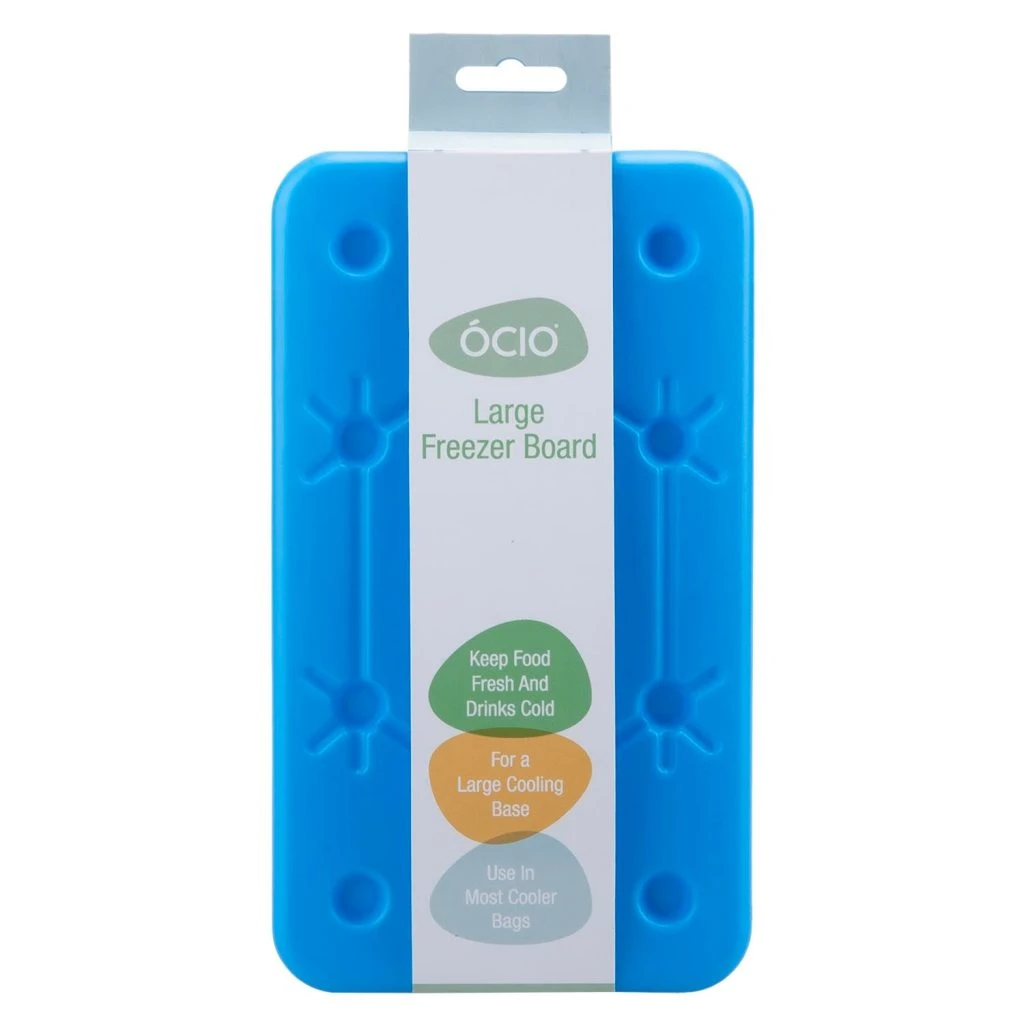
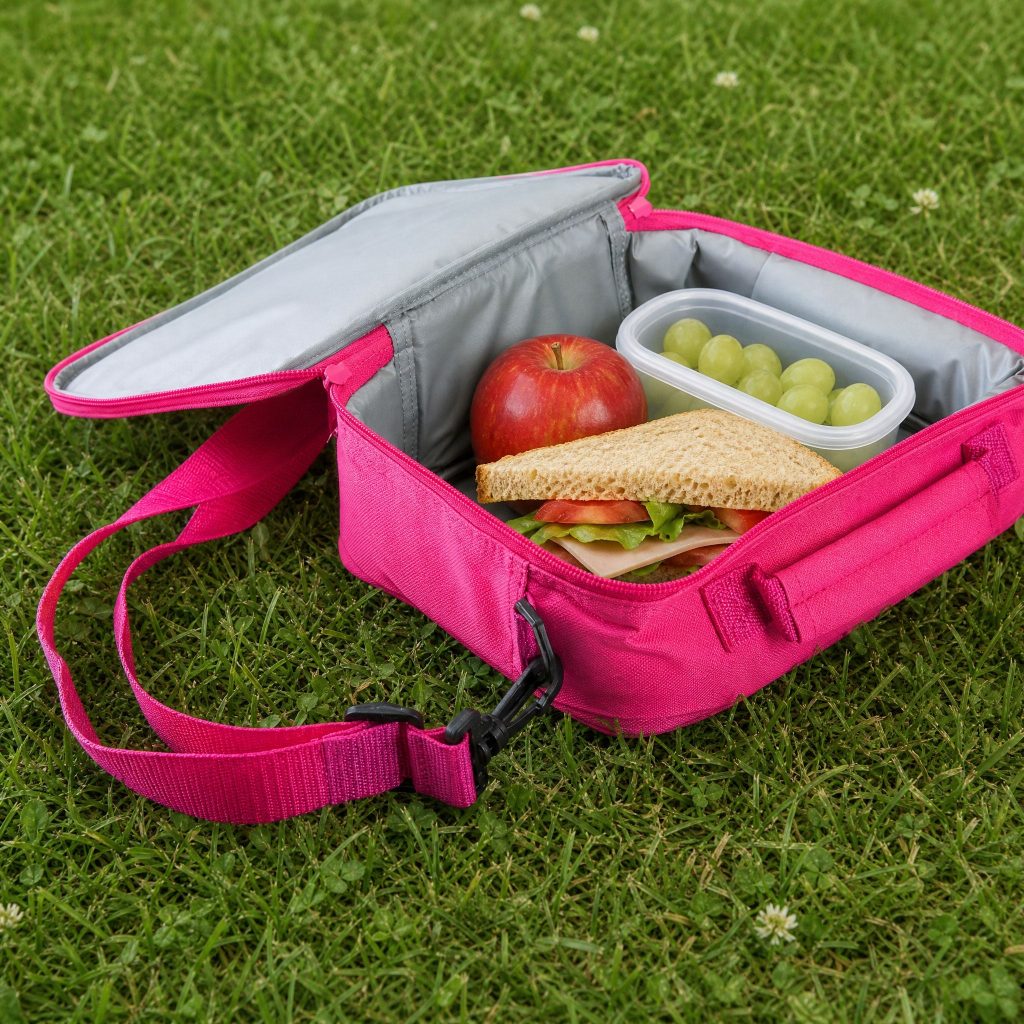
Our cool bags and cool boxes do the rest. Frozen ice packs, a bag kept in the shade rather than the tent, and food and drink stay cold for a day or two without any power at all.
Worth remembering on a hot weekend: people drink far more than they plan for, and a campsite tap gets busy. Take more capacity than you think.
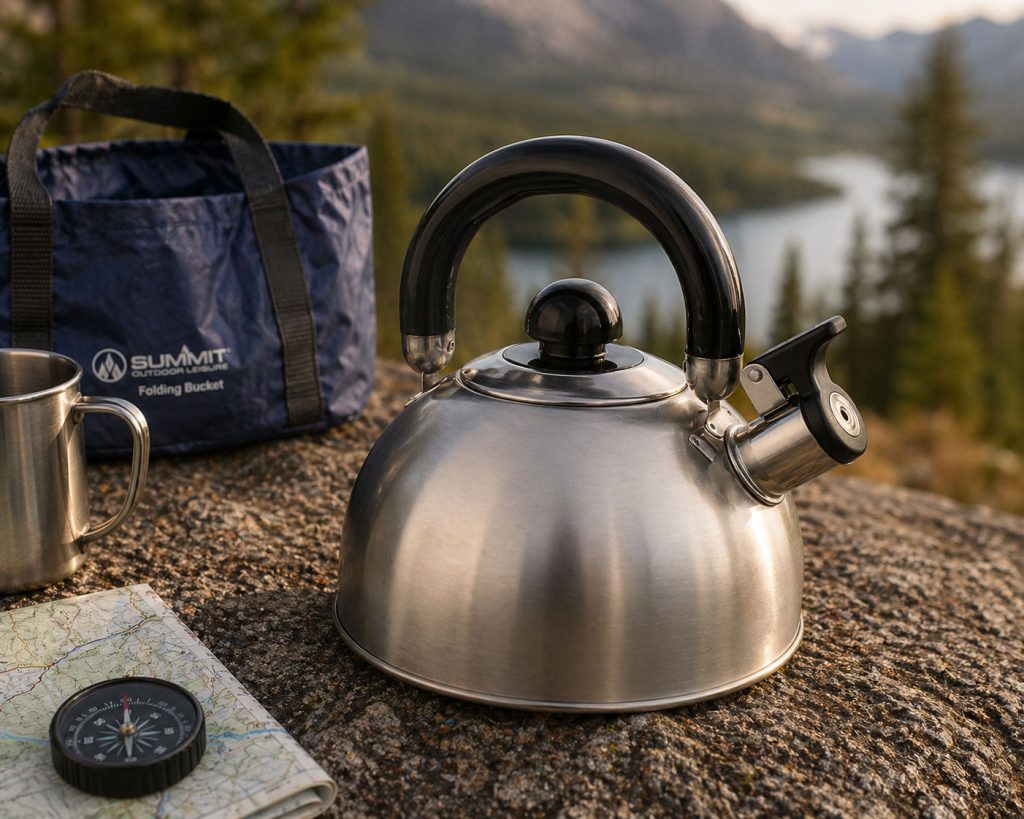
See our camping kitchen range for kettles and cookware, and picnic and dining for eating outdoors.
Around two litres per person per day for drinking, and more again for cooking and washing up. Most campsites have drinking water on site, so a large carrier you fill once beats carrying everything in. On a hot weekend, plan for more than you think you need.
A day or two with frozen ice packs, if you keep it closed and in the shade. Never leave it inside a tent, which gets far hotter than the air outside. Packing it full works better than half empty, because the contents help keep each other cold.
A travel mug is usually insulated with a sealed lid, built to keep a drink hot and not spill in a bag. A camping mug tends to be simpler, tougher and easier to clean, often with a carabiner handle so it clips to your kit. Plenty of people carry one of each.
Rinse them out as you go rather than letting things dry on, and use the site washing up facilities where there are some. Bottles and flasks are easier if you leave them open to dry rather than sealing them damp, which is how they end up smelling.