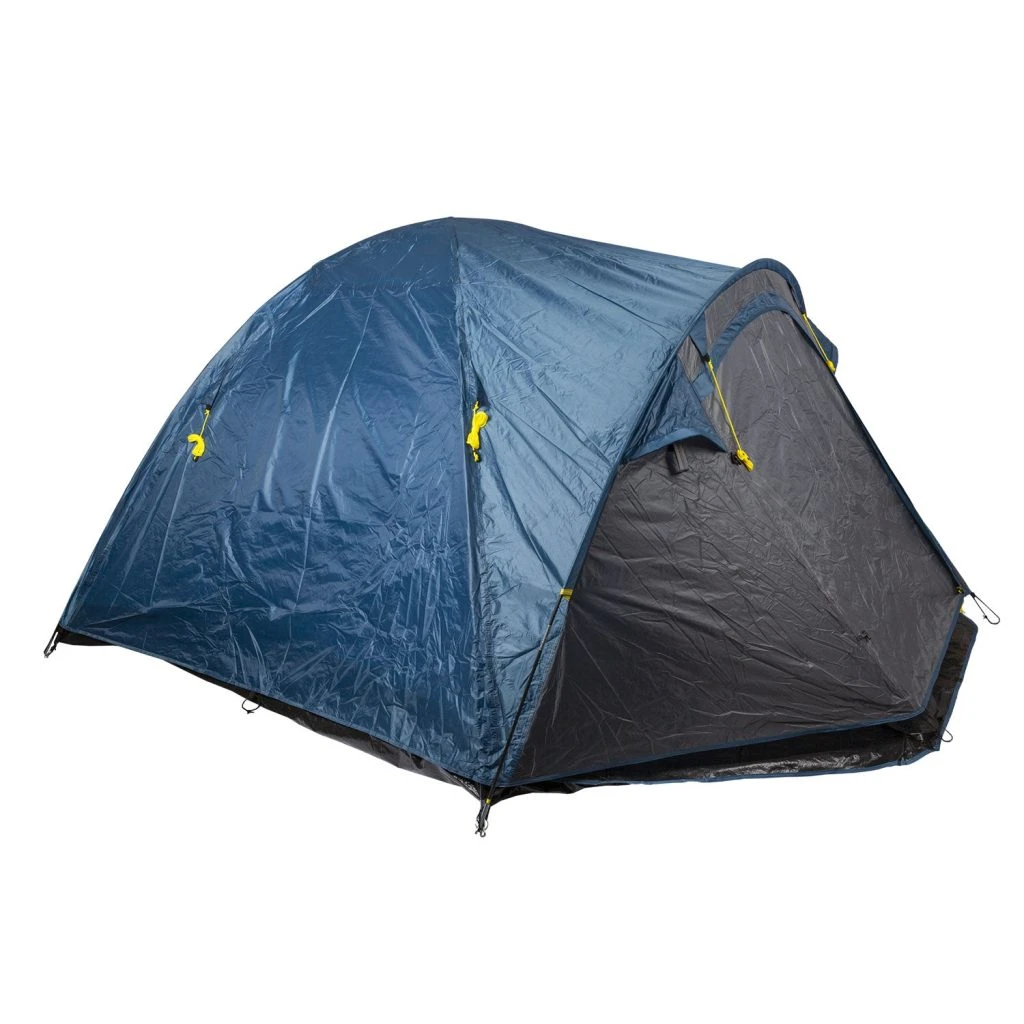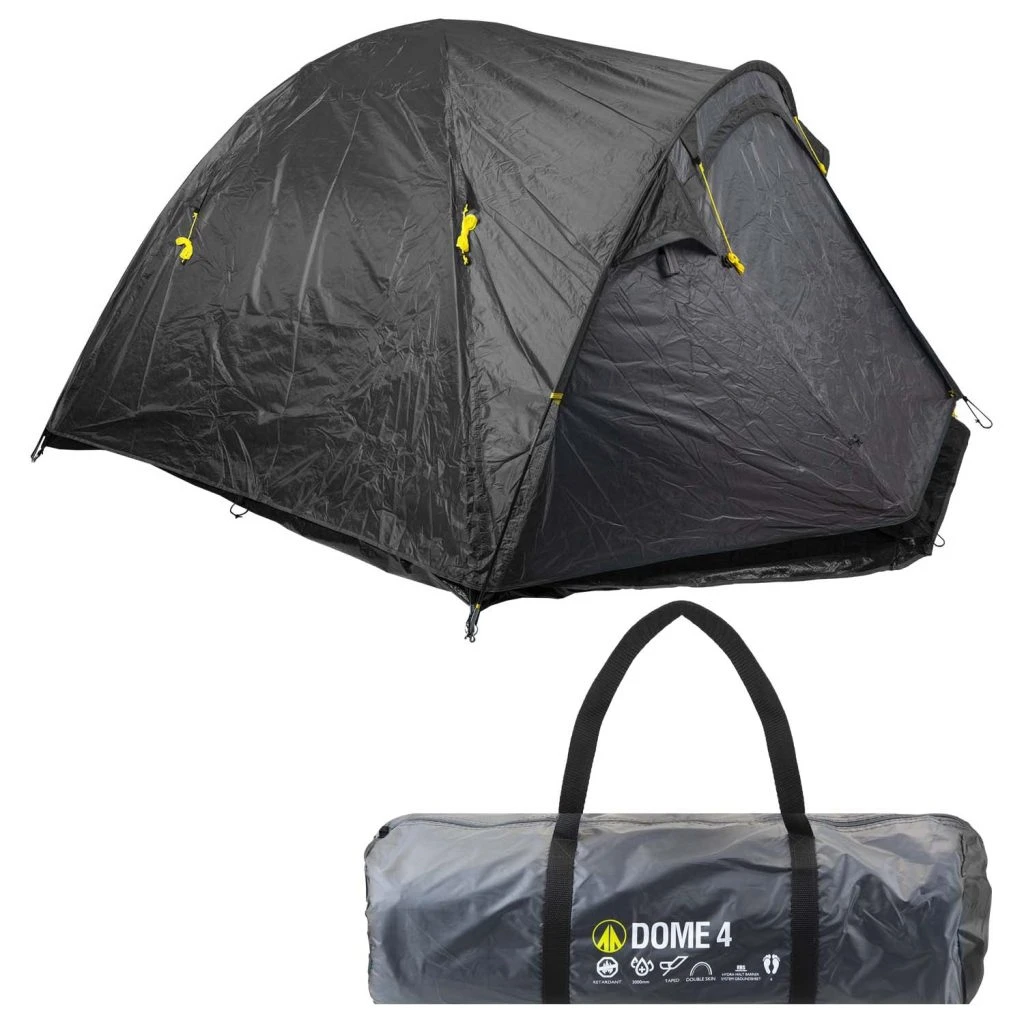



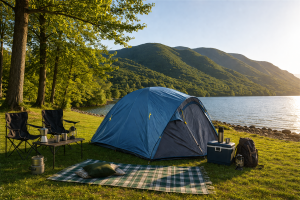



4 Person Blue Pop-Up Tent
£33.99
Tents, shelters and shade for every kind of trip. Pop ups for festivals, dome tents for family weekends, and beach shelters for days by the coast.
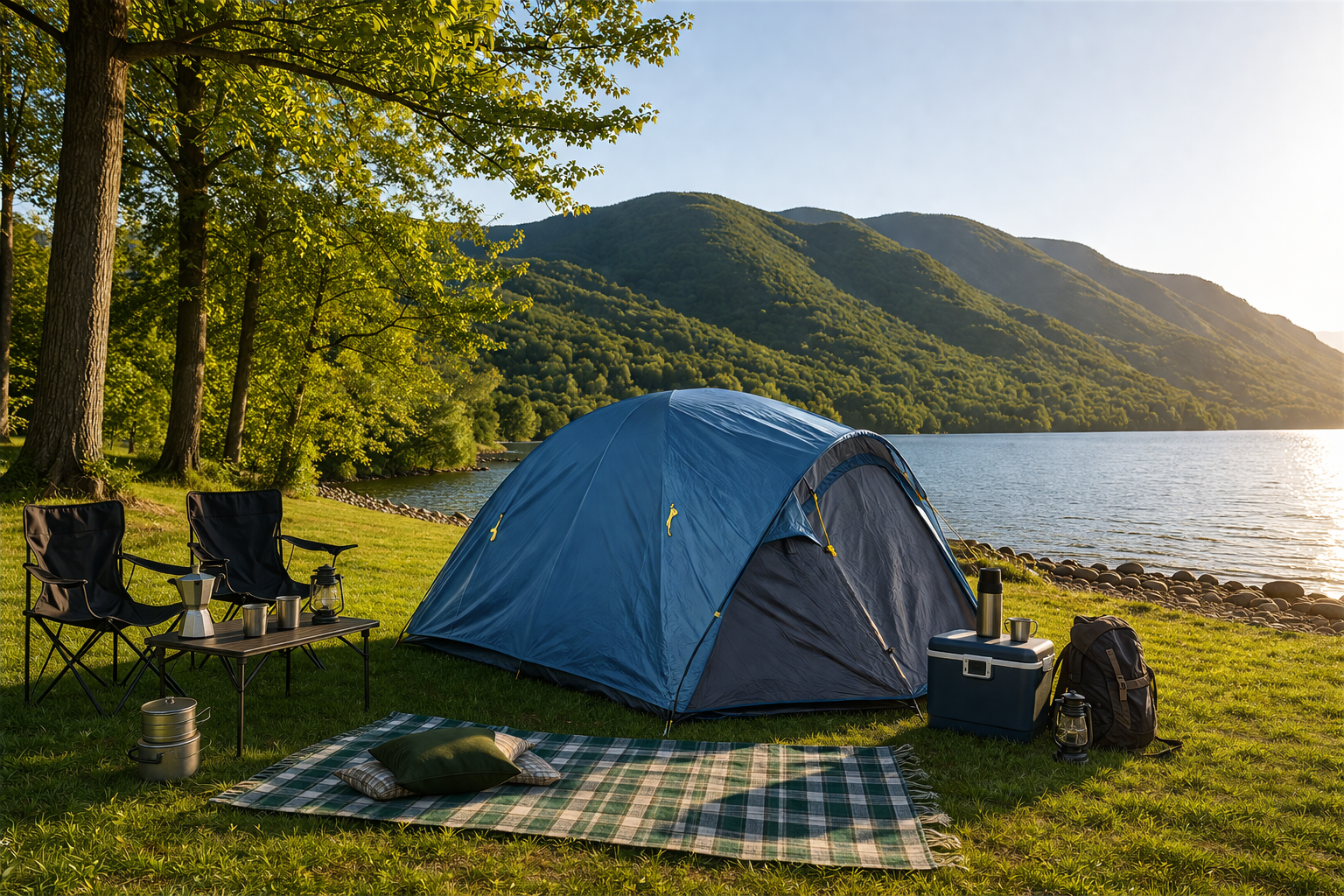
£33.99
£88.99
£91.99
£70.99
£72.99
£94.99
This is again my second one, great value for money, comfortable used in all weather’s prior. Plenty of space to move around inside quick and easy to set up 5 minutes max.
Verified Customer

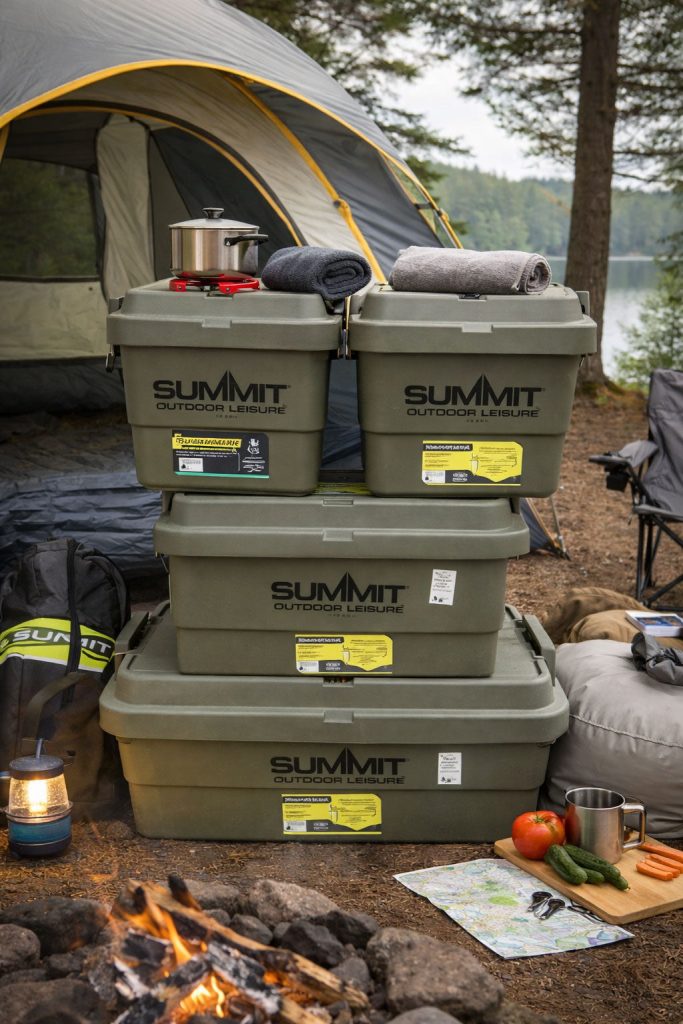
Really good quality for a fraction of the price compared to other brands. Brought mine for fishing bait and another for spares which I could leave in the back of the car when fishing. They stack on top of one another which is handy for storage. Feel nice and strong and not in any way heavy.
Verified Customer
Lightweight and comfortable. The quality that I was hoping to get. Affordable.
Verified Customer
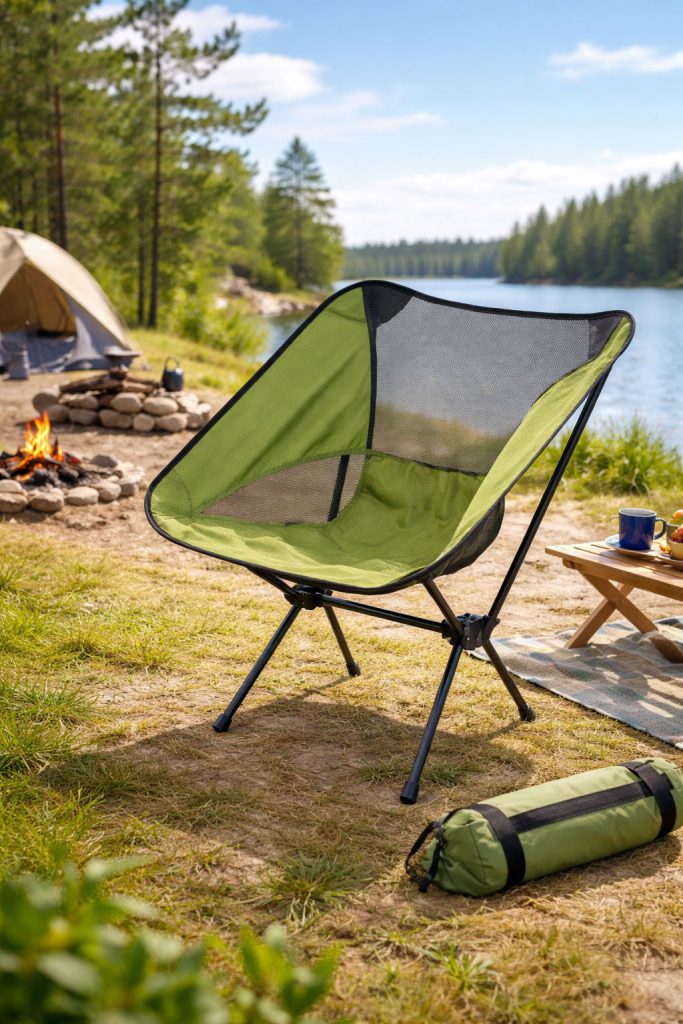
These chairs are brilliant. I found them to be quite comfortable and very sturdy, the moment you put your weight on them they instantly anchor to the floor. They are nicely packed away in the bag provided and just what you need from a folding chair.
Verified Customer
This camping chair is great it’s a massive improvement compared to a standard camping chair. Chair is extremely lightweight and the extra padding makes it nice and comfortable. Definitely worth the extra few quid. Comes with a really good quality carry bag with strap.
Verified Customer
Most people do not start by deciding what kind of tent they want. They start with a trip: a festival in July, a week in Cornwall with the kids, a day at the beach. The shelter follows from that, and it is a much easier decision made in that order.
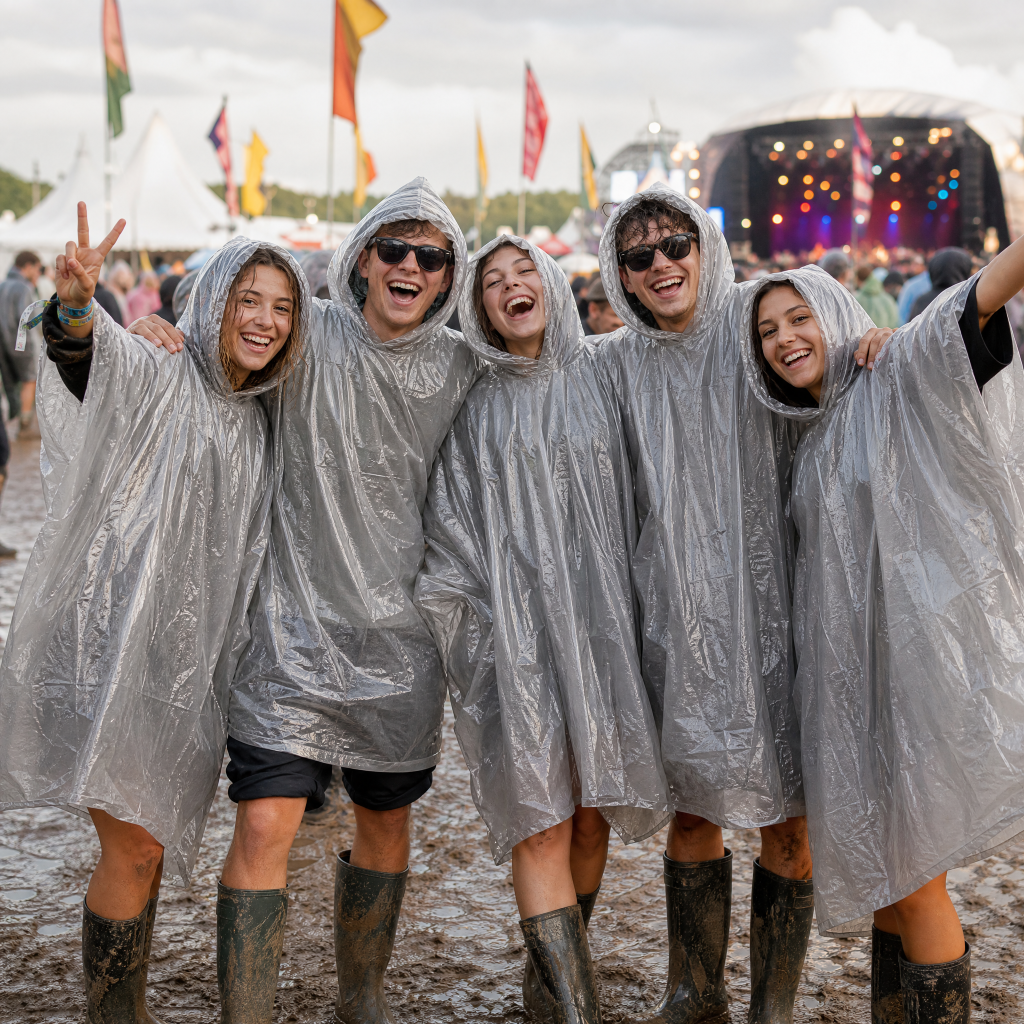
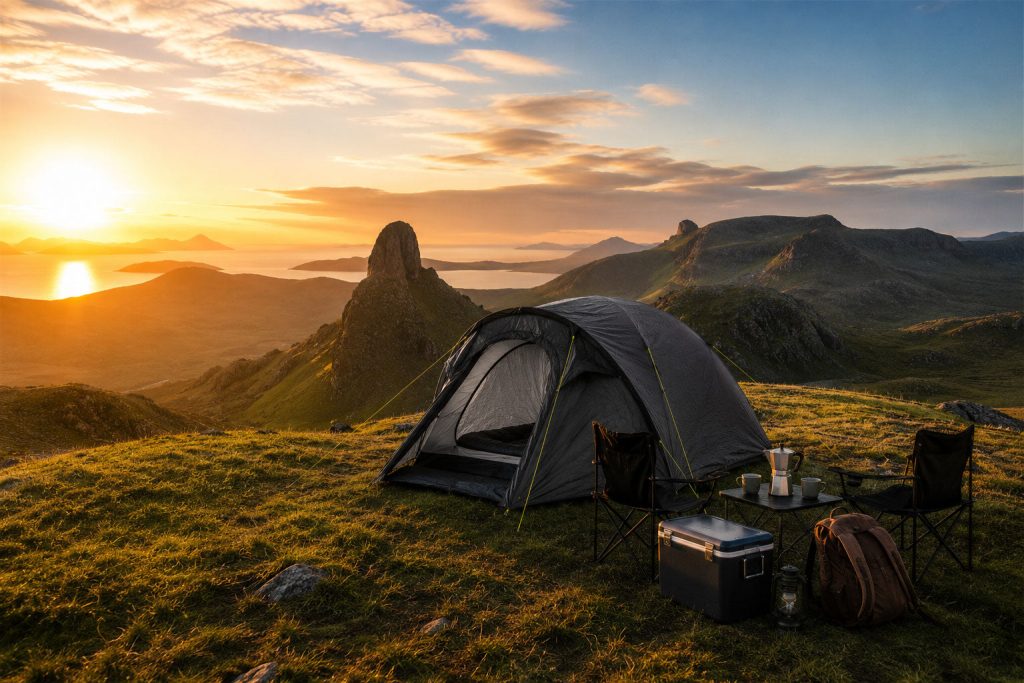
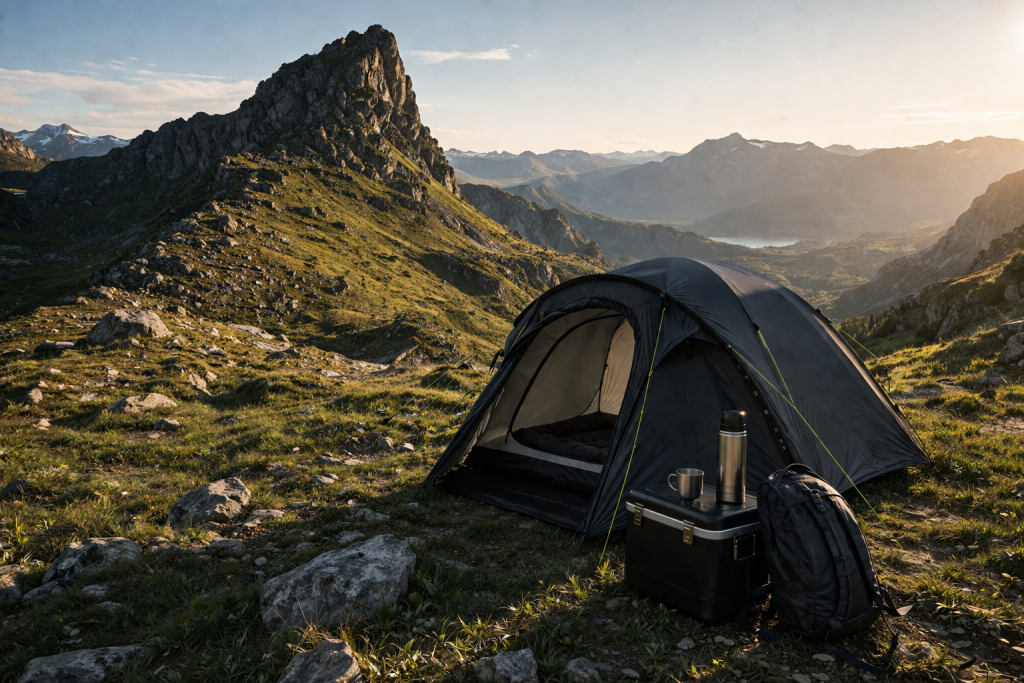
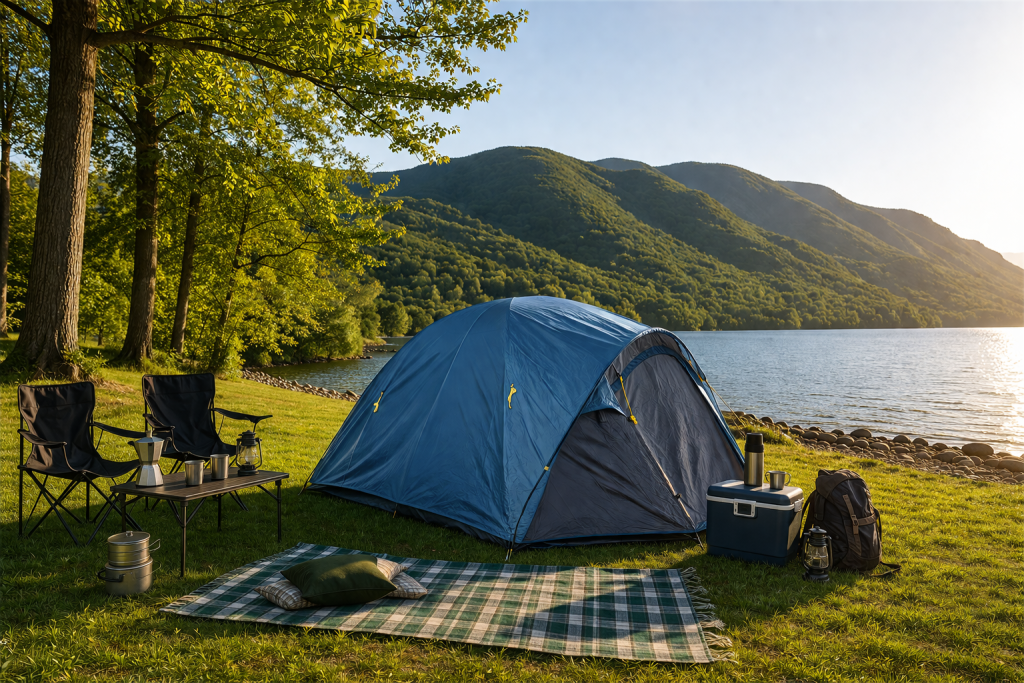
If speed matters most, our pop up tents spring into shape in seconds and pack into a flat round bag, which is why they end up in so many festival fields. If you need room to sleep, sit up and keep bags dry over a longer stay, our family and dome tents give you headroom and a double skin to keep condensation off you.
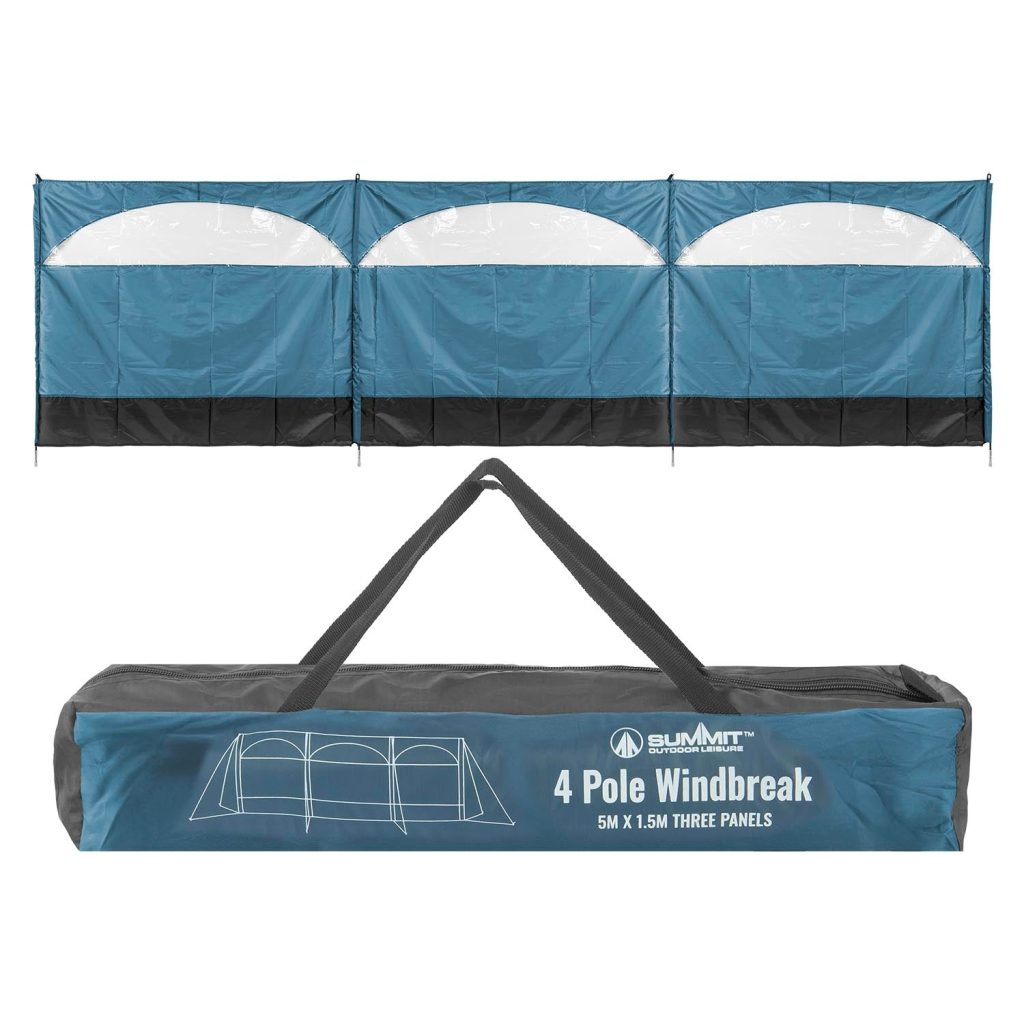
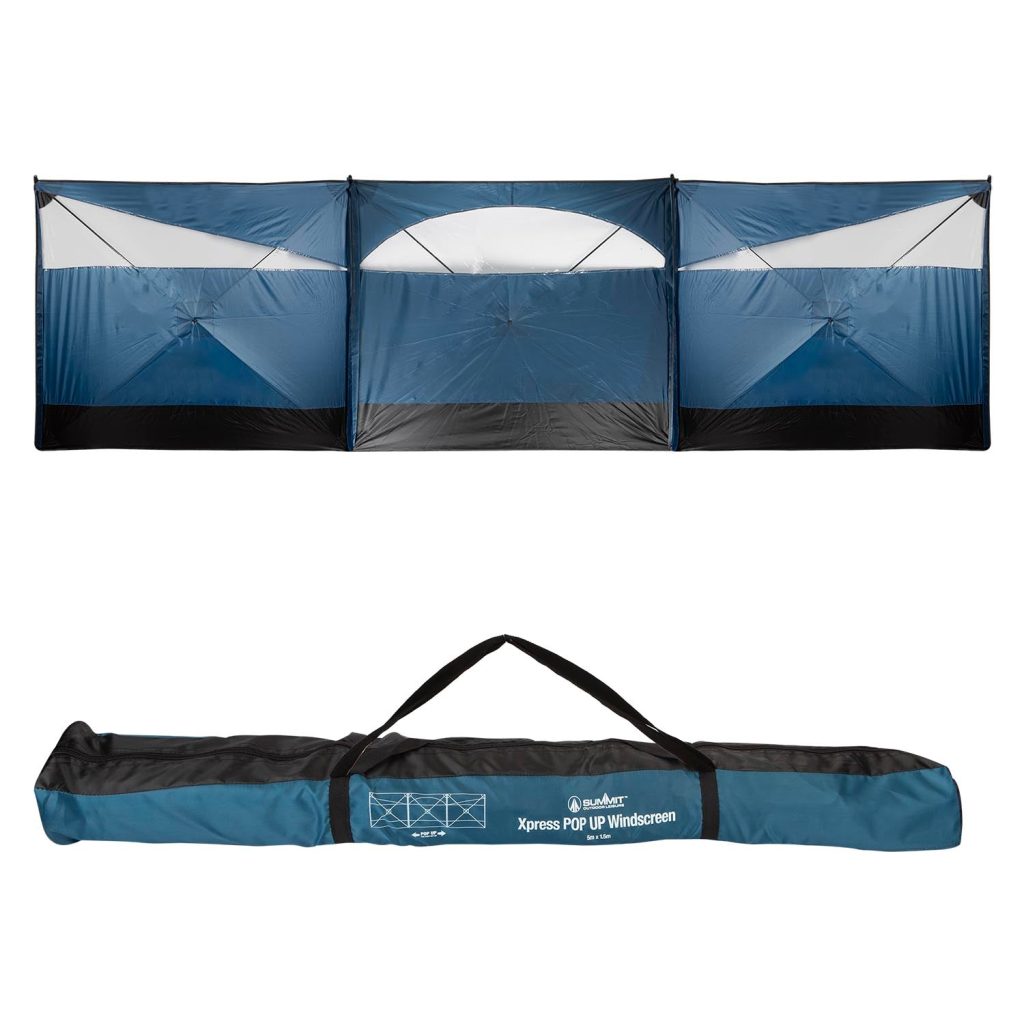
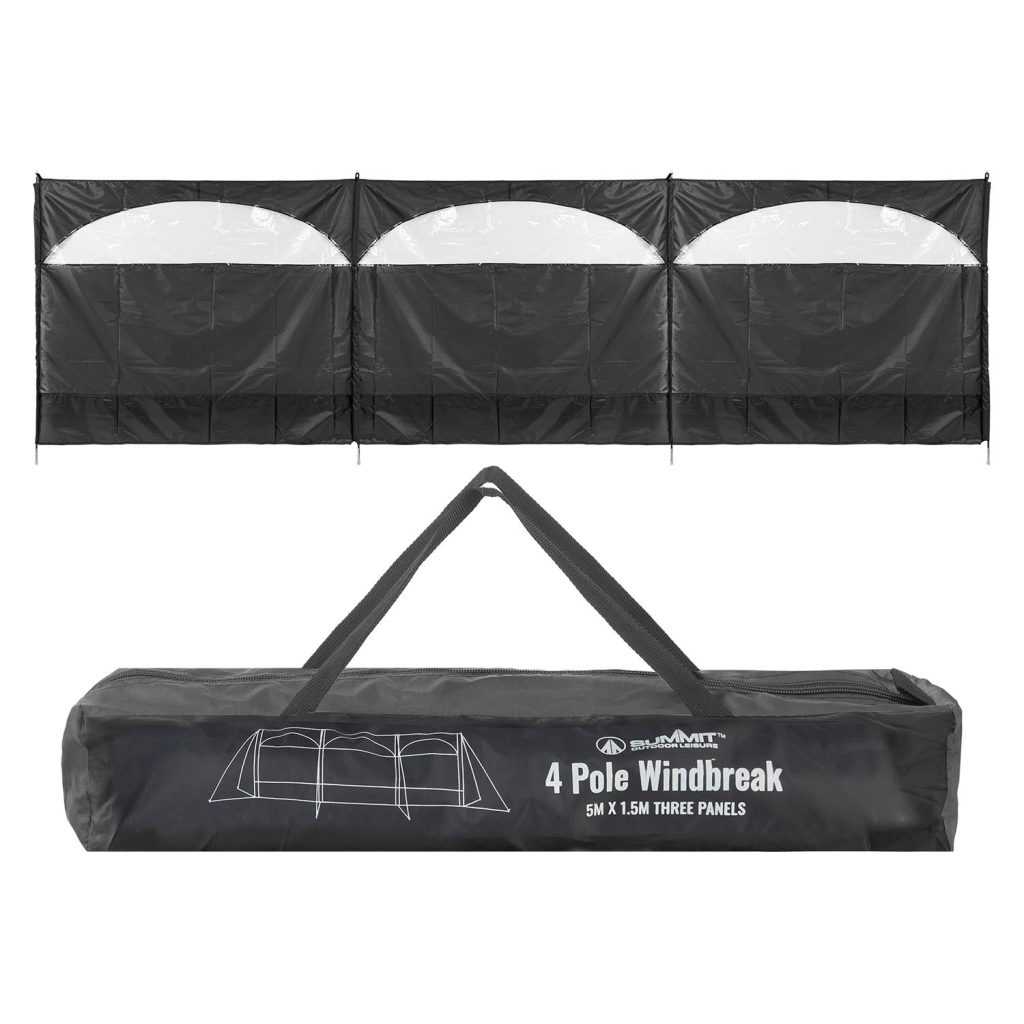
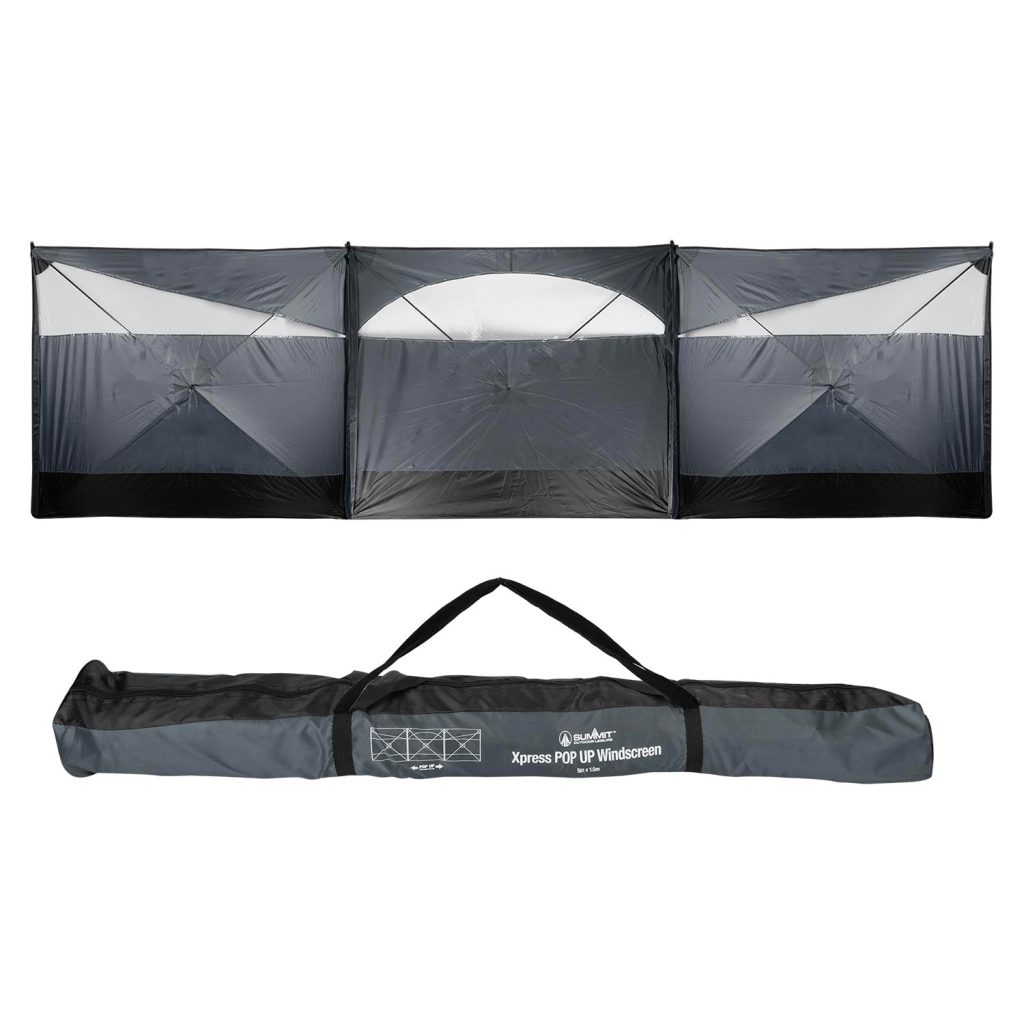
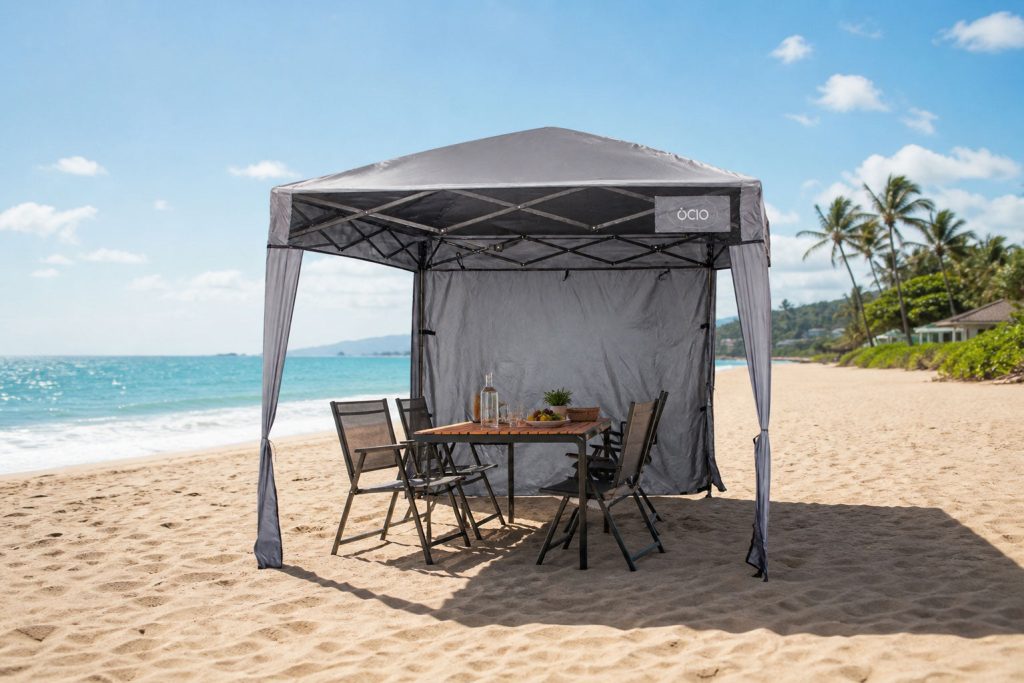
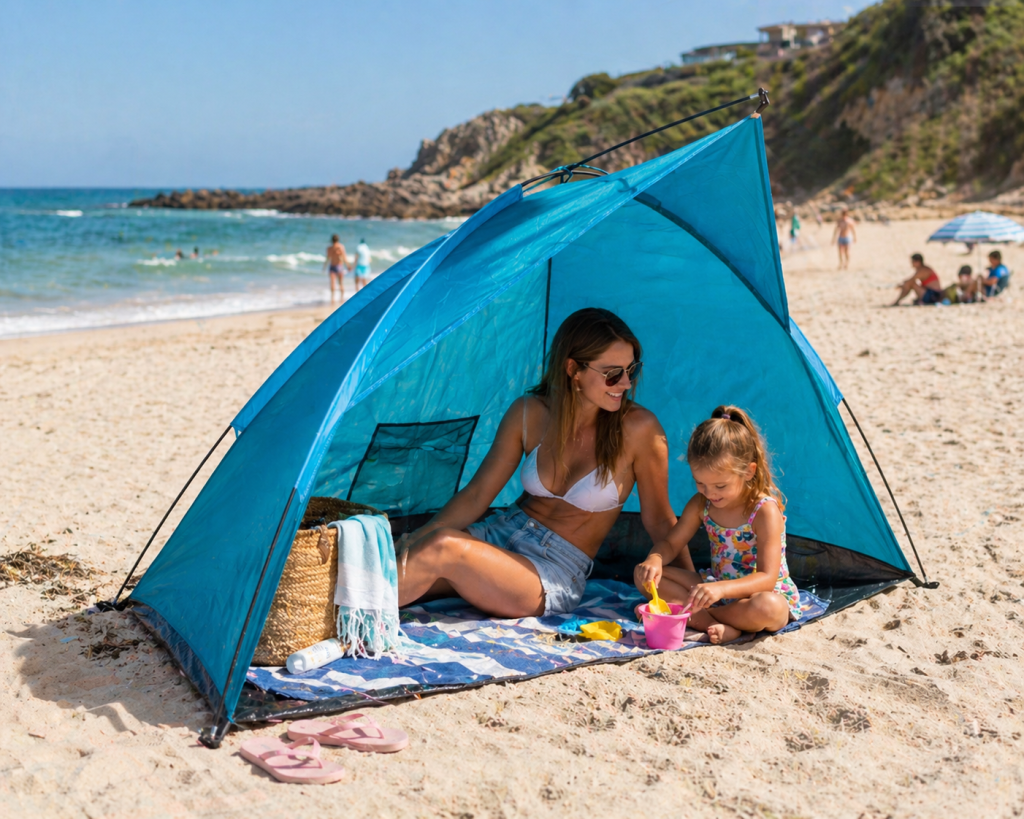
Not every trip needs somewhere to sleep. Our beach shelters and sun shades are built for daytime shade and a spot out of the sun, and our compact gazebos give a group somewhere covered to sit and eat, on a pitch or in the garden. Windbreaks do a quieter job: they block wind at ground level, which makes a bigger difference to how a beach day feels than most people expect.
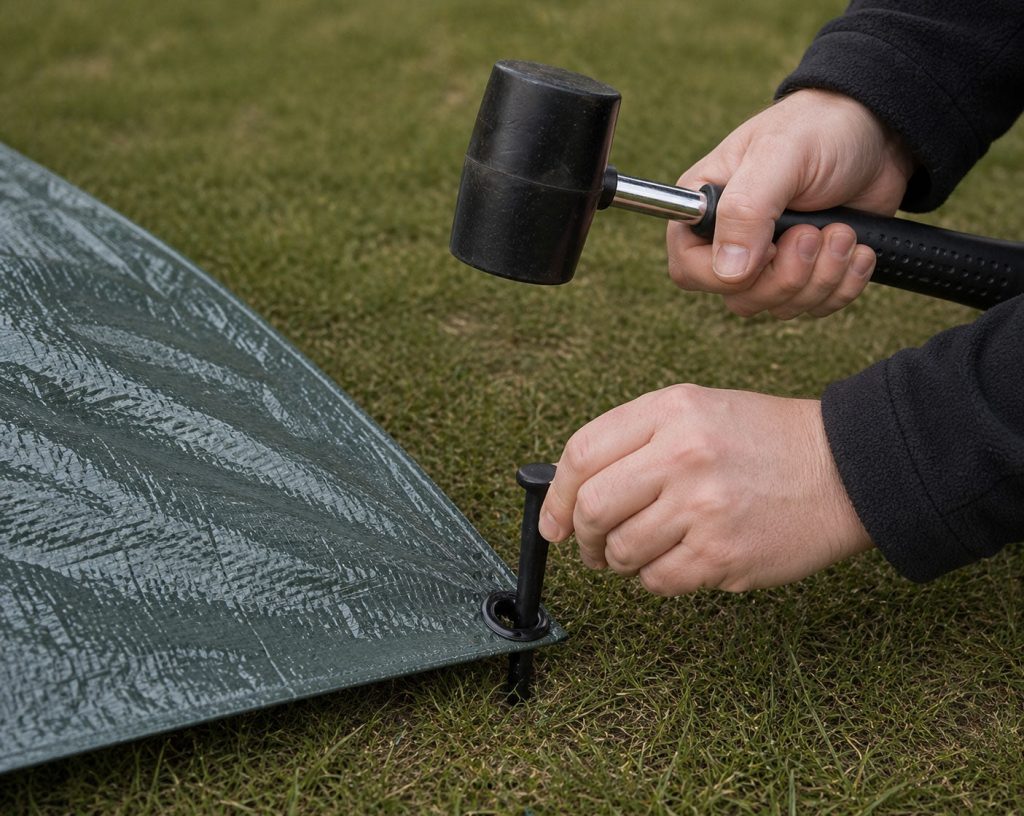
Whatever you pitch, it is worth keeping spare pegs, guy ropes and groundsheets in the boot. Pegs bend, ground is harder than you expect, and a missing one is a small problem that ruins an evening.
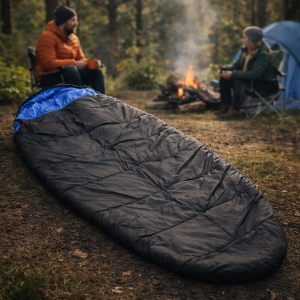
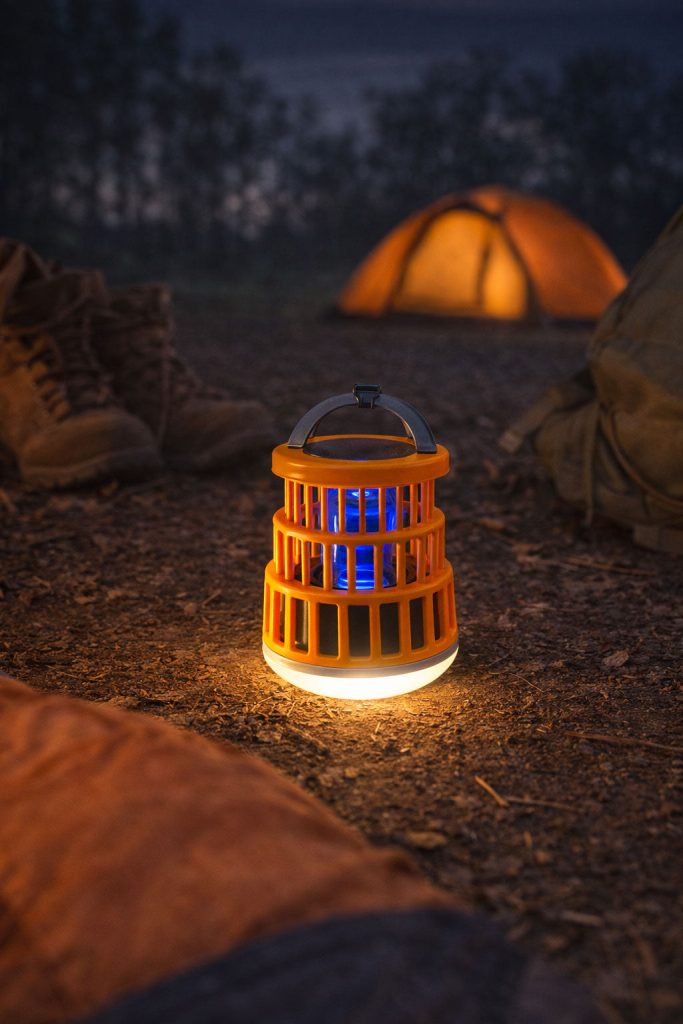
Ours are practical tents at sensible prices, made for the camping most people actually do: weekends, festivals and family holidays in British weather. Once the shelter is sorted, add a sleeping bag and camping mat for the night, camping chairs for outside it and a camping lantern for when it gets dark.
Start with the trip rather than the tent. Pop up tents suit festivals and short stays where speed matters. Dome tents suit family camping and longer trips where you want space and weather protection. Beach shelters and gazebos are for daytime shade rather than sleeping, and windbreaks go alongside any of them.
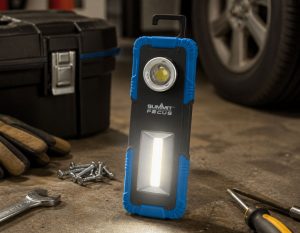
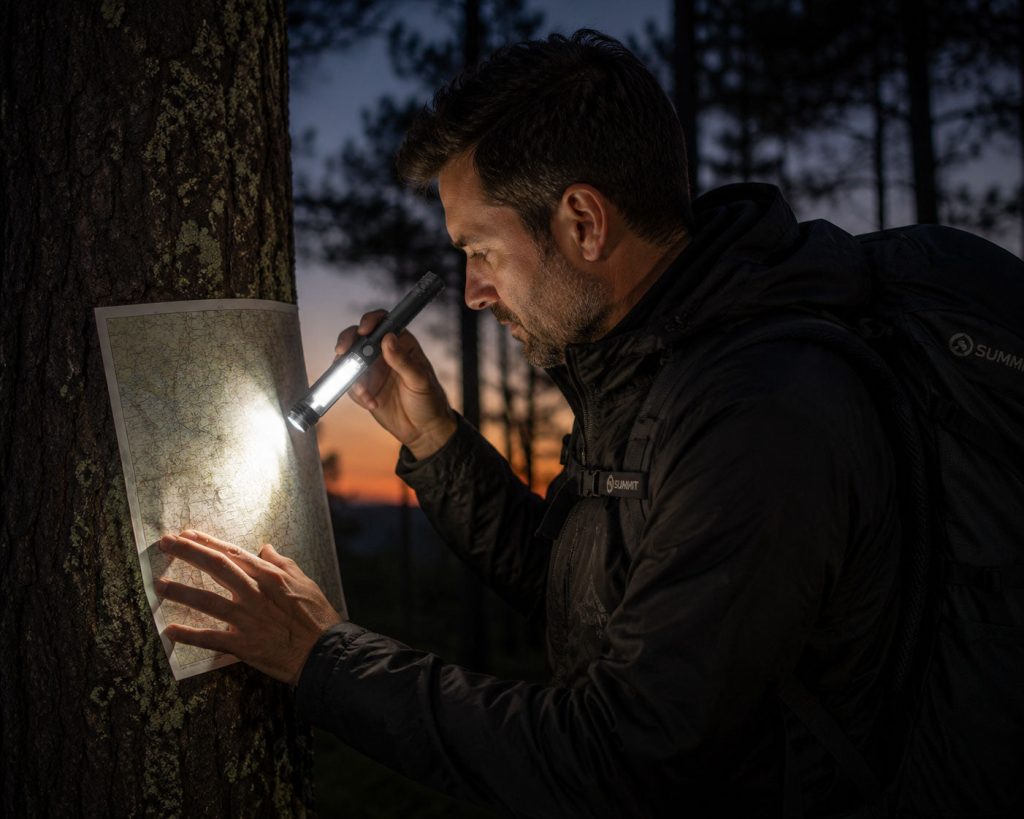
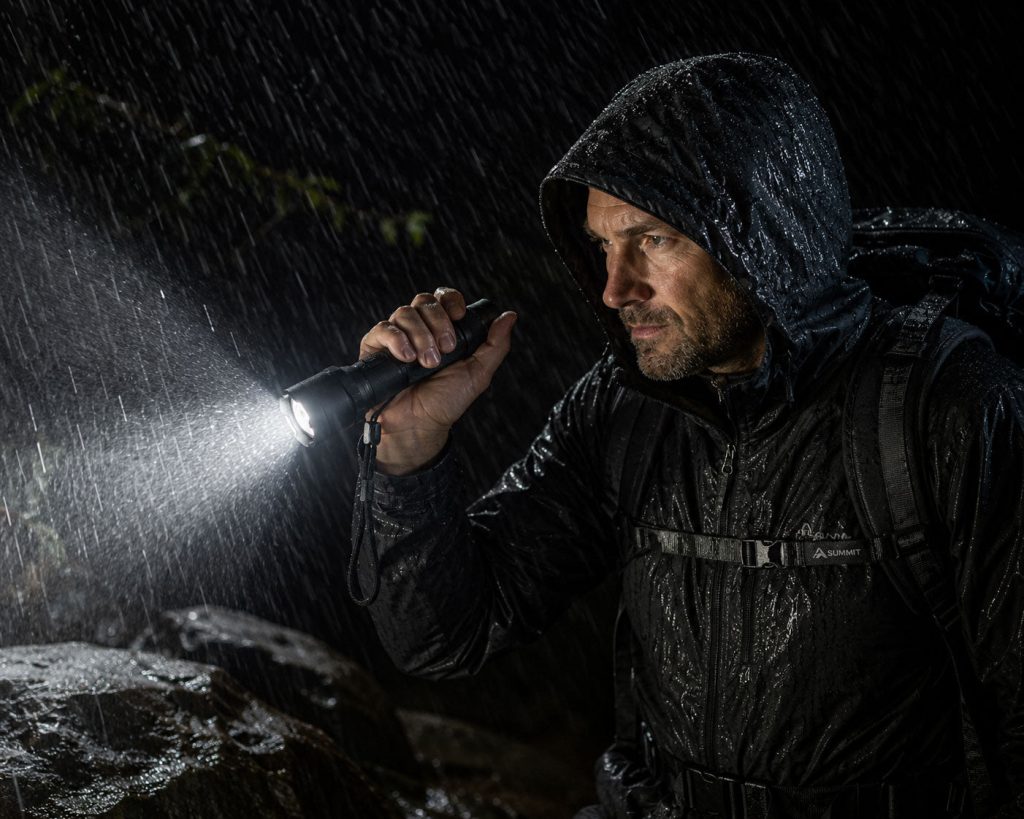
A sleeping bag and a camping mat are the two that make the difference between sleeping and not sleeping. Beyond that, a lantern or head torch, a few spare pegs and something to sit on outside will cover most trips. Build up from there rather than buying everything at once.
That is who a lot of the range is built for. Our tents are designed to be straightforward to pitch without a second pair of hands or a set of instructions you cannot follow in the dark. If it is your first trip, a practice pitch in the garden beforehand is the single most useful thing you can do.
Brush off mud and grass, sponge any marks with plain water rather than detergent, and make sure it is completely dry before it goes in the bag. Packing a tent away damp is what causes mould and that musty smell. Store it loosely in a cool dry place rather than crushed under heavy kit.
Eventually, yes. The water repellent finish on a flysheet wears with use and UV exposure, so a tent that shrugged off rain in its first season may start to wet out after a few years. If water soaks into the fabric rather than beading off it, that is the sign it is due.