


Festival camping asks different things of your gear than a normal trip. You’re pitching in a packed field and hauling everything a fair way from the car park. Add three or four days of unpredictable weather and kit you’ll use only a few weekends a year, and the priorities shift. That should shape your packing list, not the ultralight setups built for the hills.
Here’s what actually matters for a festival, what to prioritise, and where you can keep the cost down without regretting it later.
What do you actually need for festival camping?
The essentials fall into six groups: shelter, sleeping kit, weather protection, lighting, a way to keep food and drink cold, and something to move it all across the site. Prioritise those before anything else, then add the smaller comfort items.
Use this as your packing checklist:
- A pop up tent that pitches fast and packs down small
- A sleeping bag rated for cooler nights than summer suggests
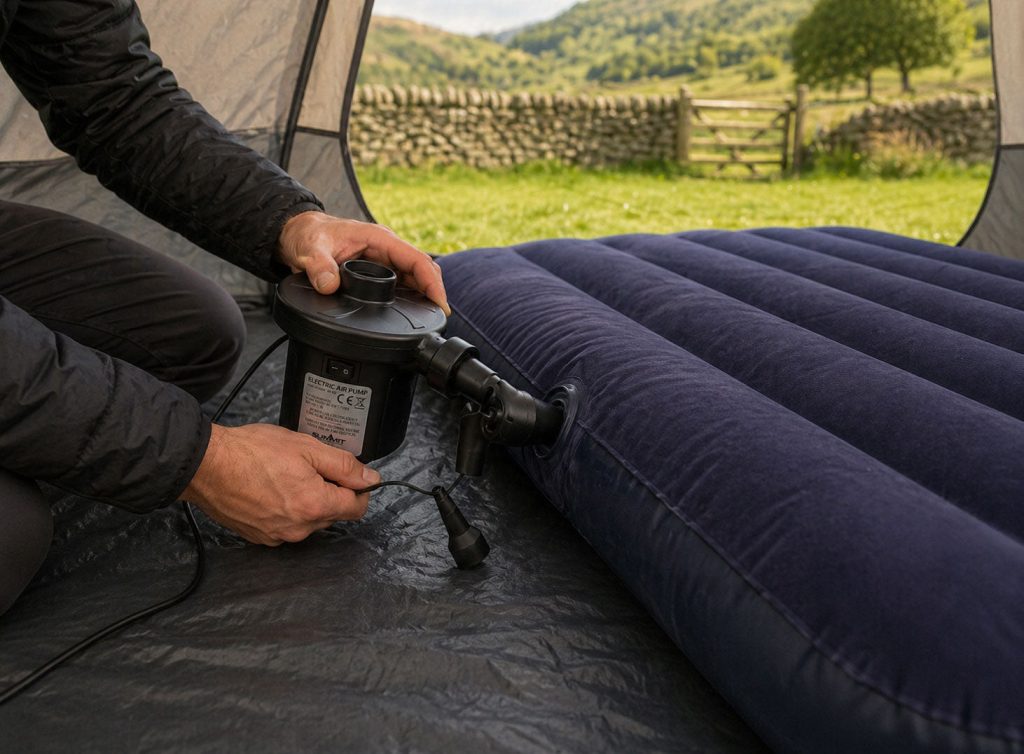
- A sleeping mat or airbed to insulate you from the ground
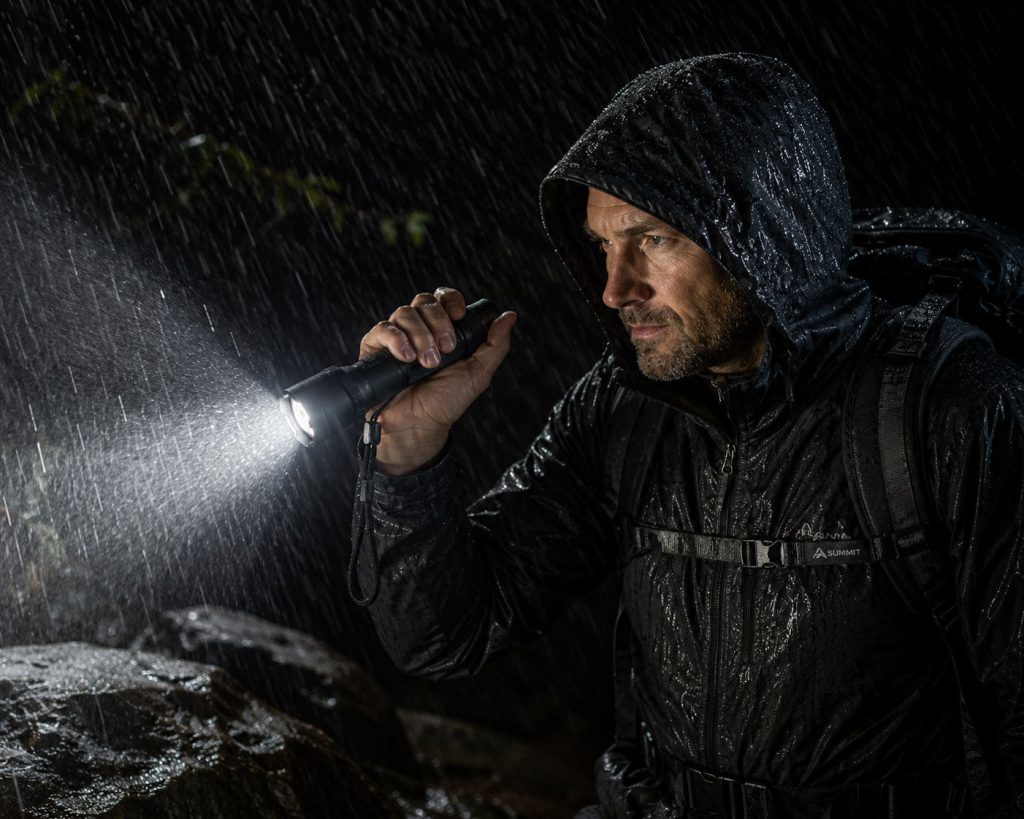
- A waterproof poncho and a warm layer for the evenings
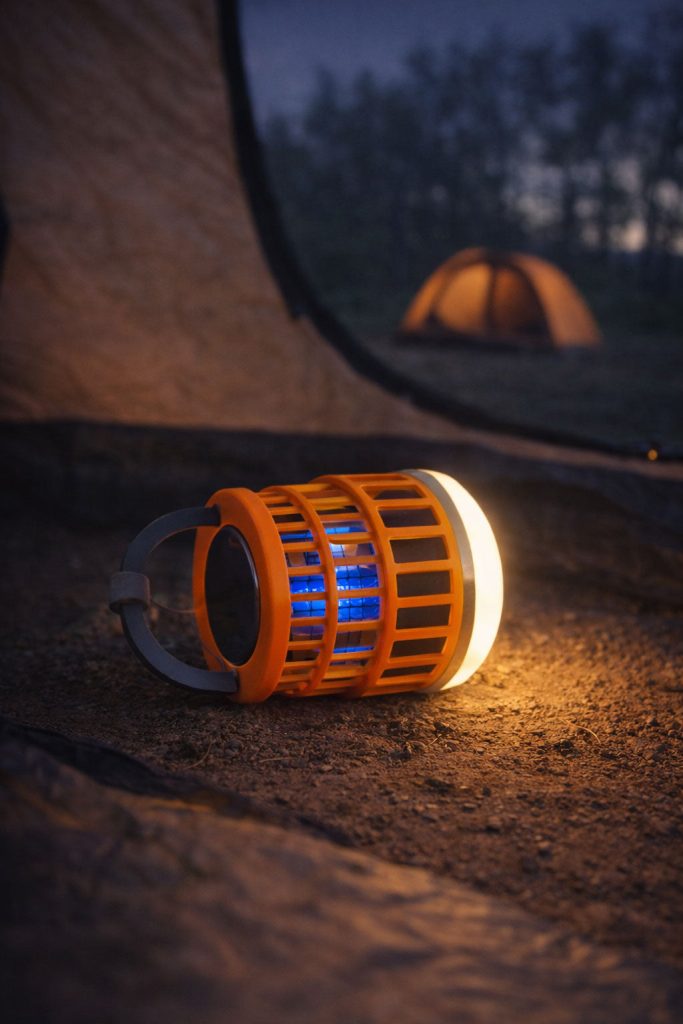
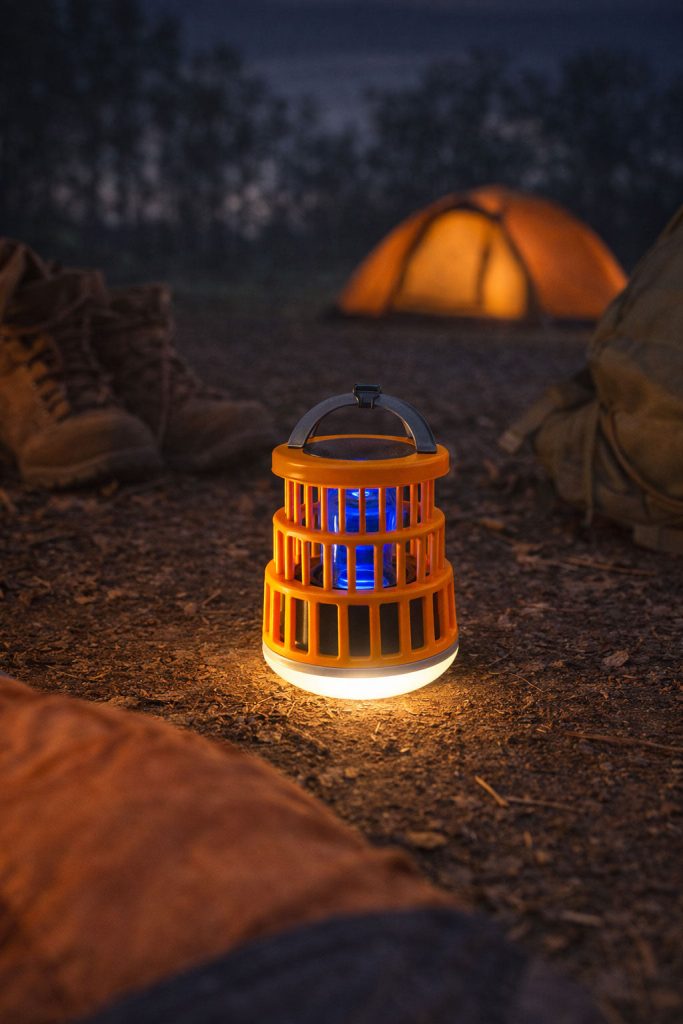
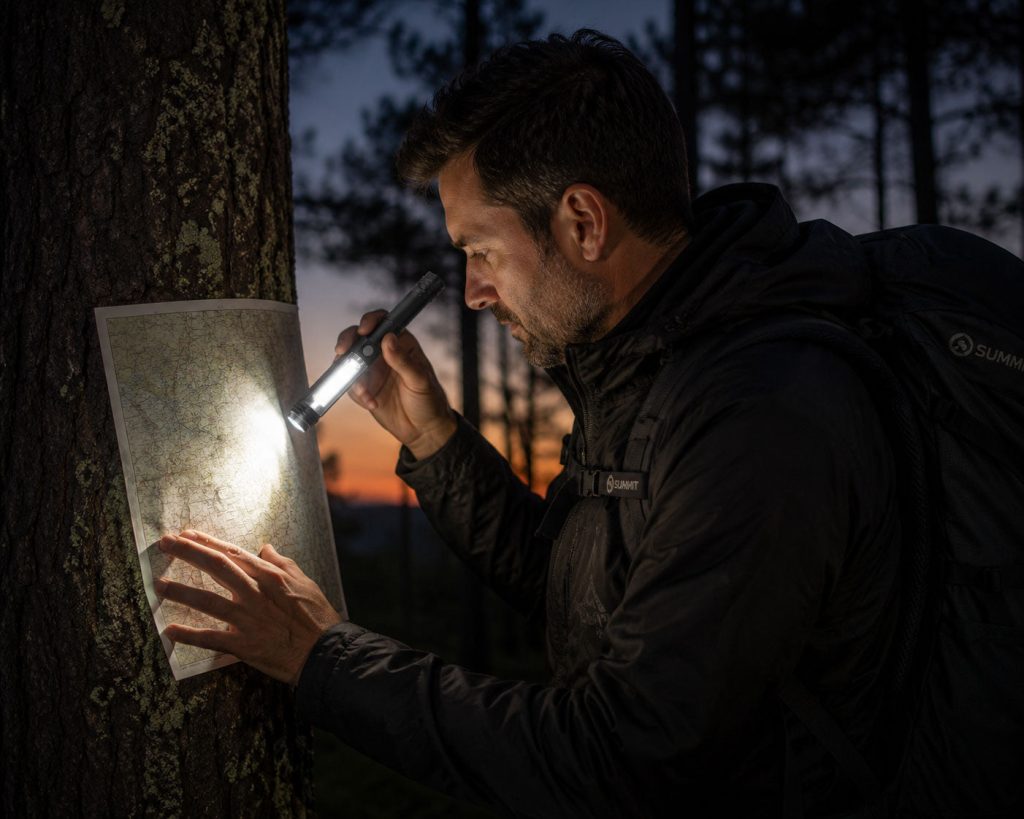
- A head torch, plus a lantern or string lights for the tent
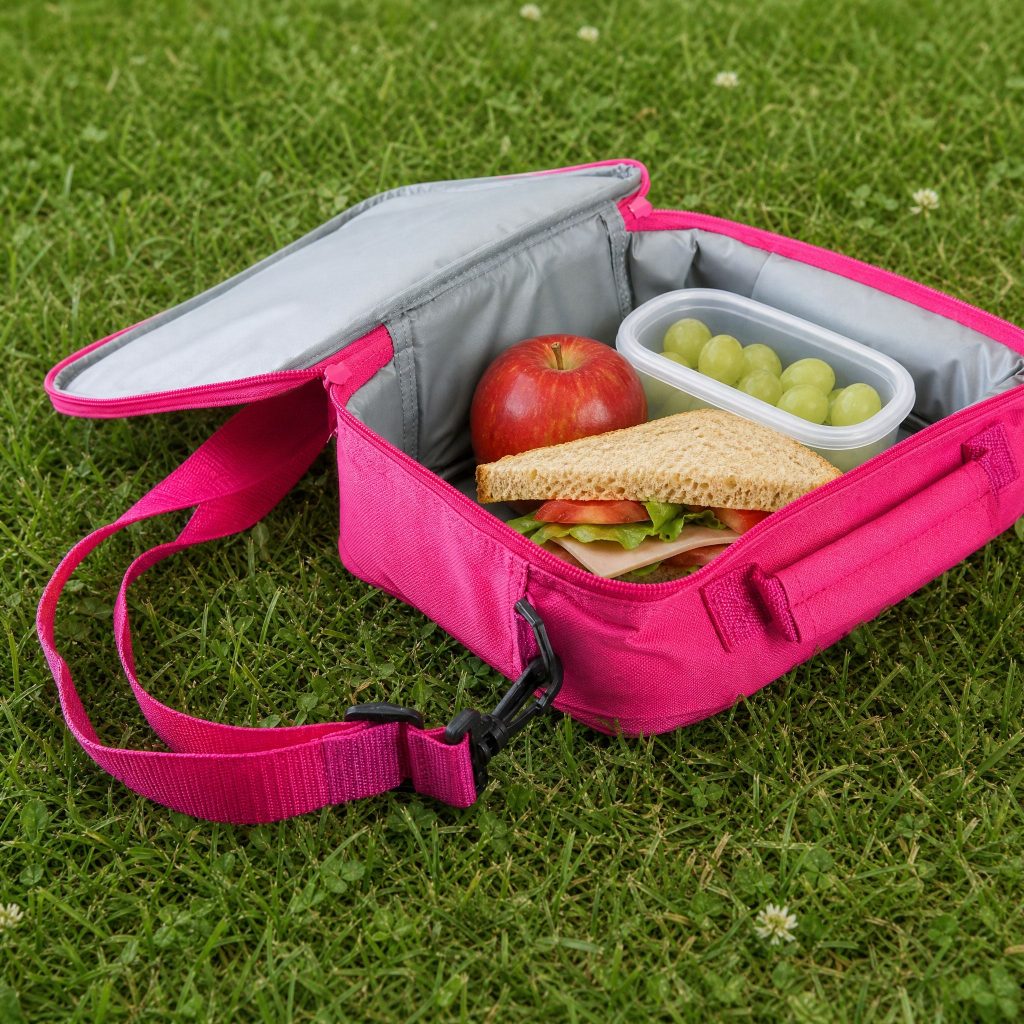
- A cool bag with ice packs for food and drink
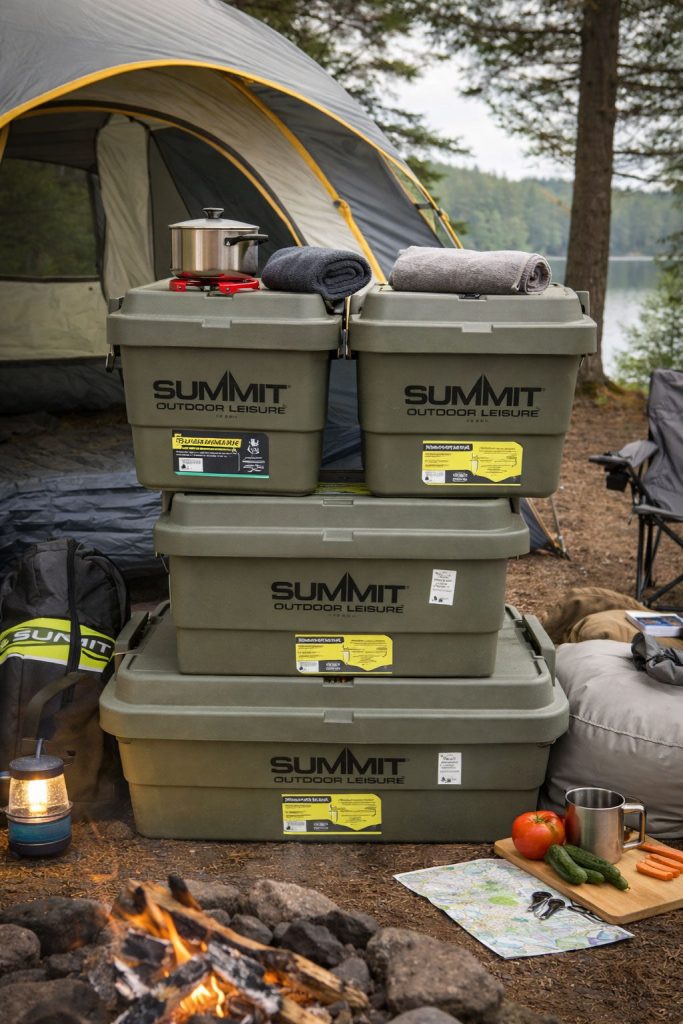
- A folding trolley or storage boxes for the walk from the car park
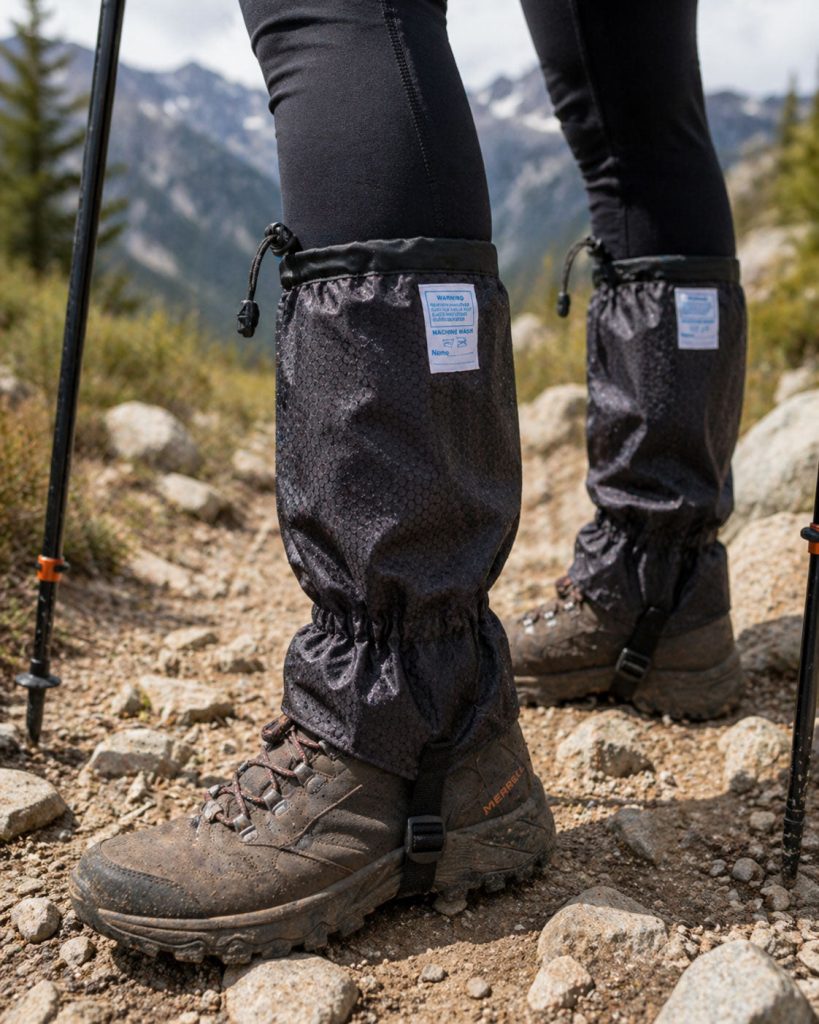
- Wellies or sturdy boots
- A power bank to keep your phone going
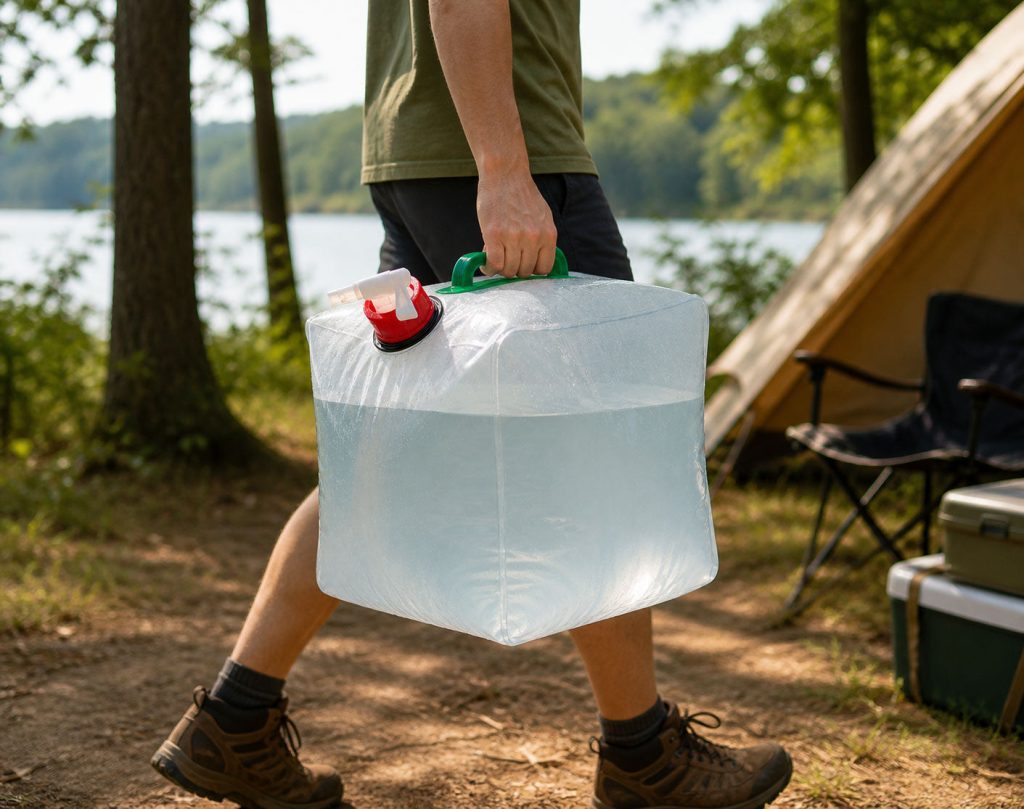
- Bin bags, wet wipes, sun cream and a refillable water bottle
- Ear plugs and an eye mask for sleeping
Getting your tent right (and pitching it in five minutes)
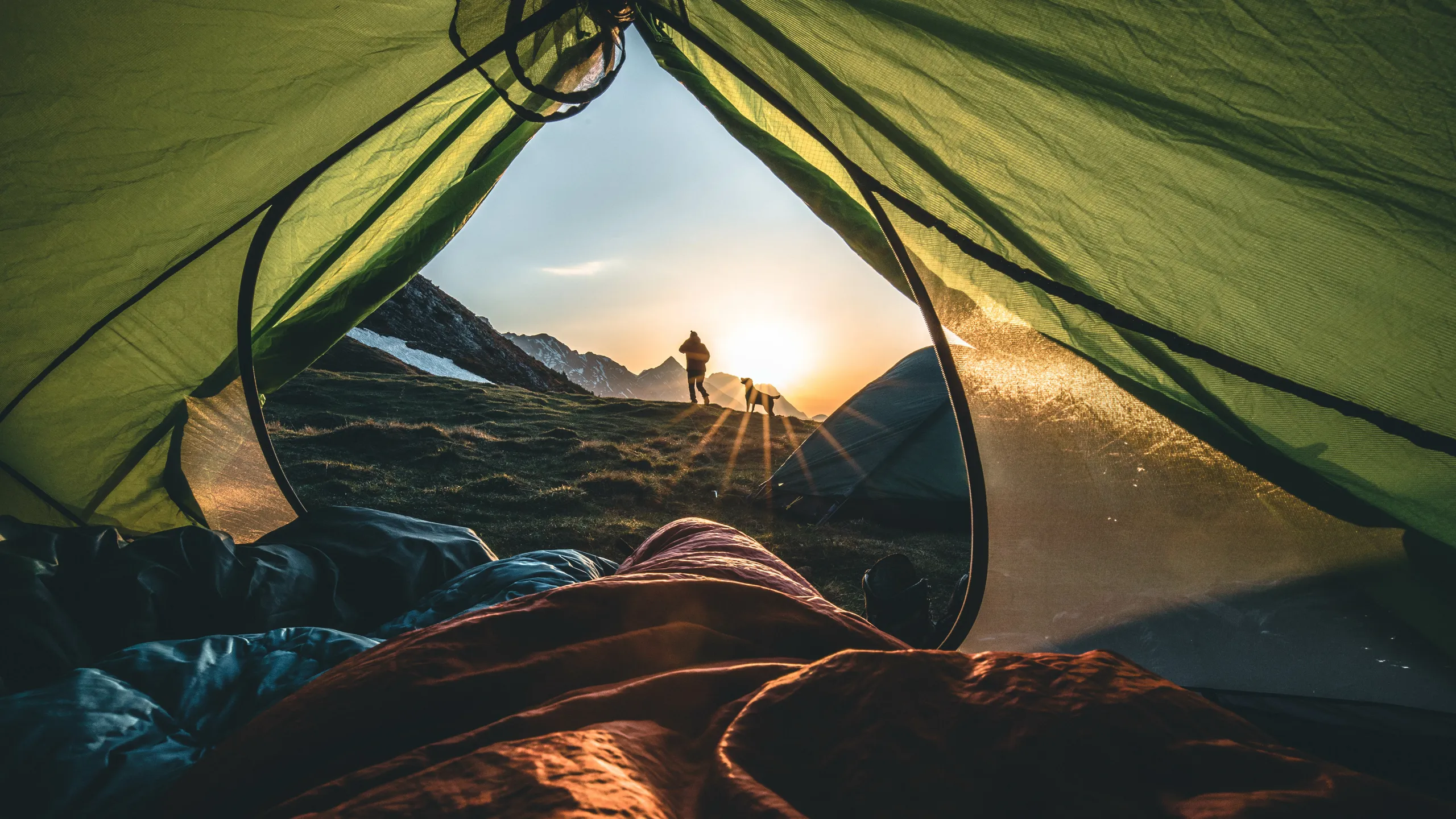
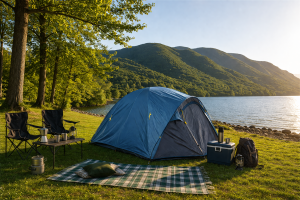
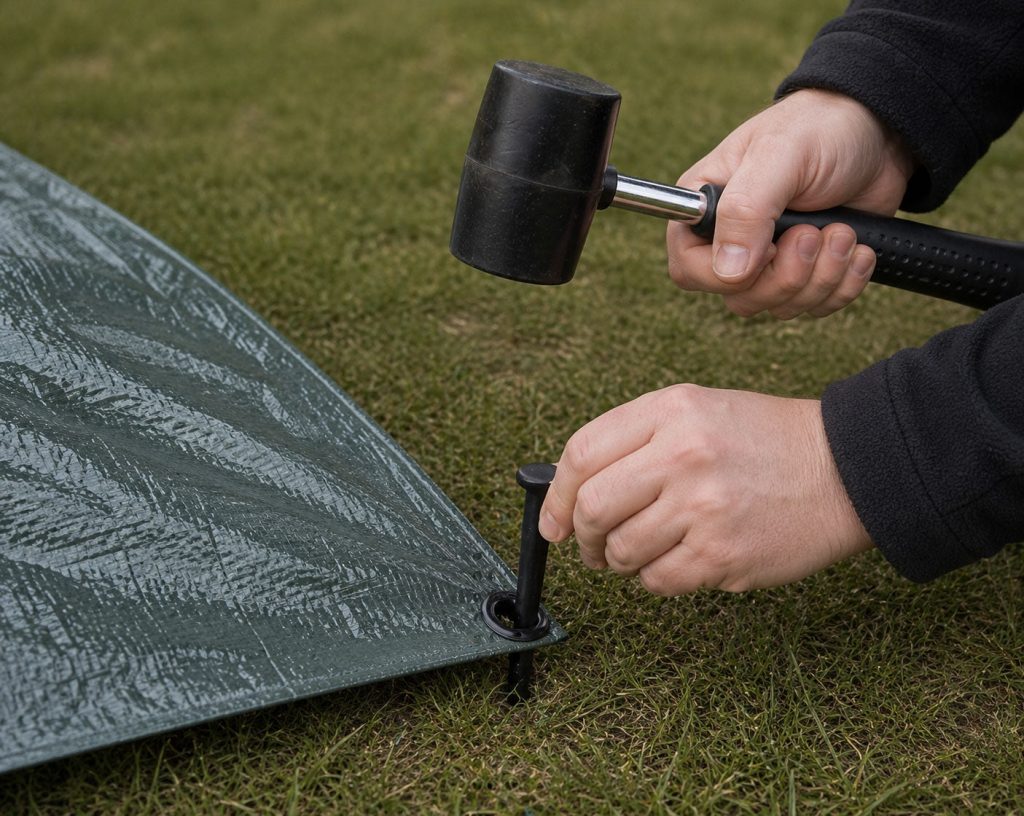
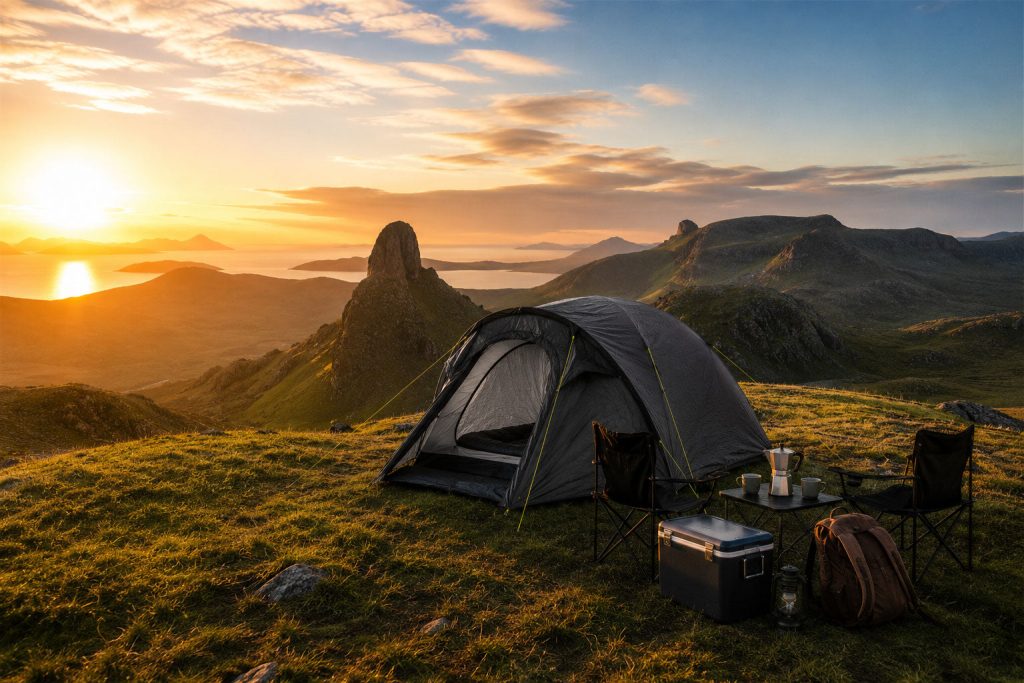
For most festivals, a pop up tent is the easiest choice. It pitches in seconds and packs down small enough to carry in one trip. That helps when the car park is a long walk from the campsite. The trade-off is less space and durability than a poled tent, but over a few weekends a year it’s rarely a problem.
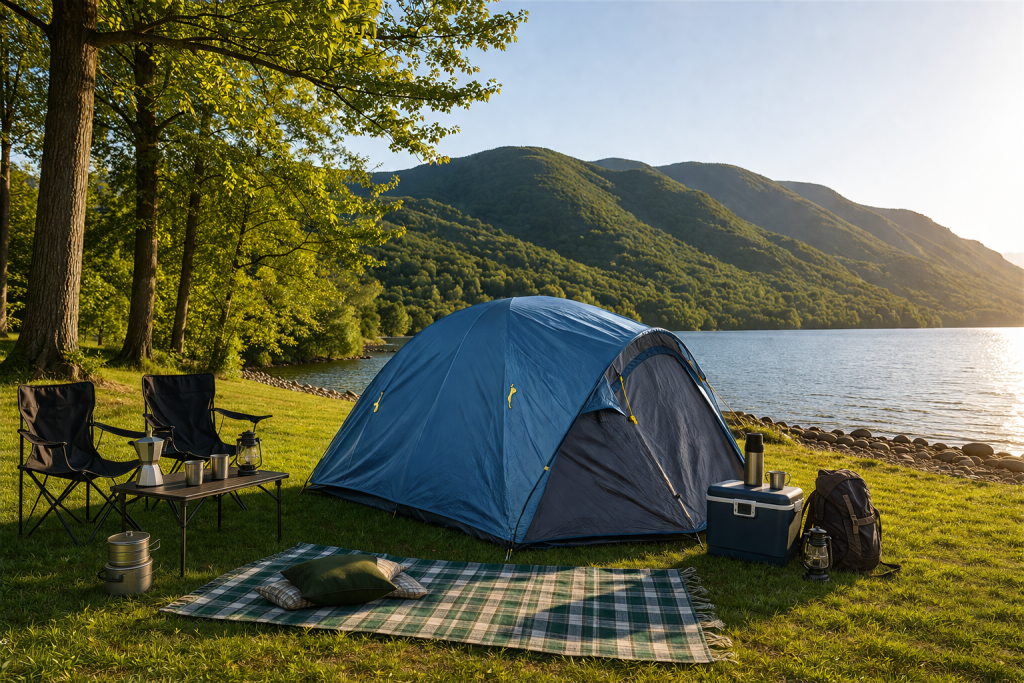
Buy for one fewer person than the label says. A four-person pop up realistically fits two adults plus bags and boots. For families or a longer stay, a dome tent gives more headroom and copes better with wind, though it takes longer to pitch. Whatever you pick, mark it with a flag or bright cover so you can find it after dark.
| Tent type | Best for | Trade-off |
|---|---|---|
| Pop up tent | Weekend festivals and fast setup | Less space and durability than a poled tent |
| Dome tent | Families and longer stays | Takes longer to pitch |
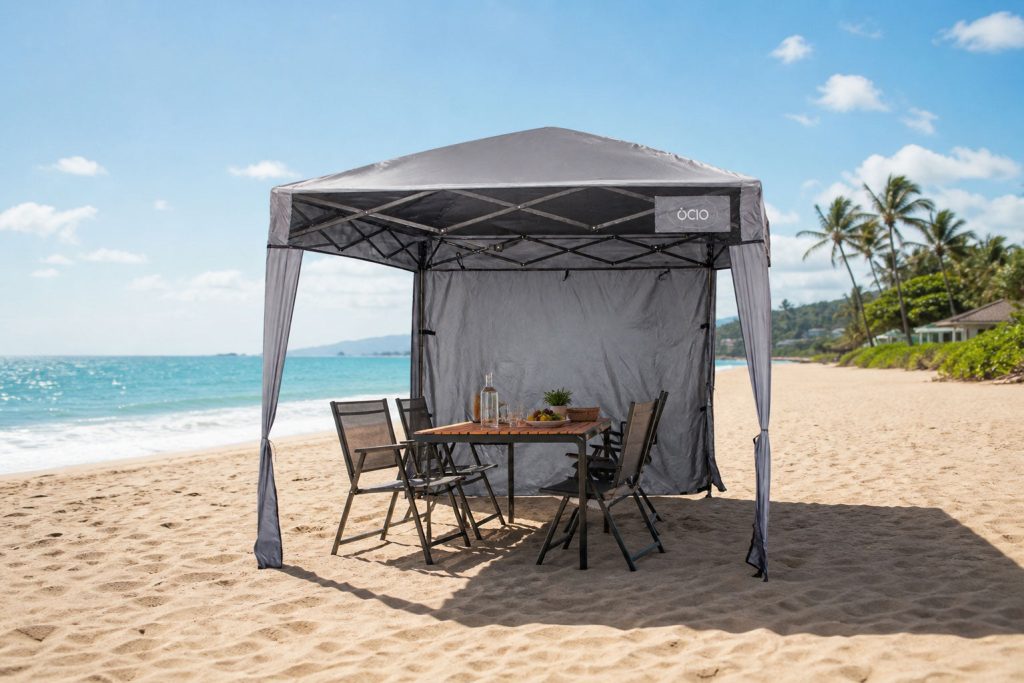
| Gazebo | A shared, shaded base for the group | Bulky to carry in |
Sleeping warm and comfortable in a field
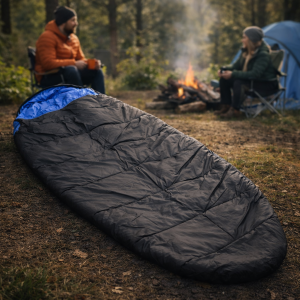
A two to three season sleeping bag suits most UK summer festivals. It’s warm enough for a cold night without overheating if the weather stays mild. Temperature ratings matter more than they look, because a field at 3am is colder than the daytime forecast suggests.
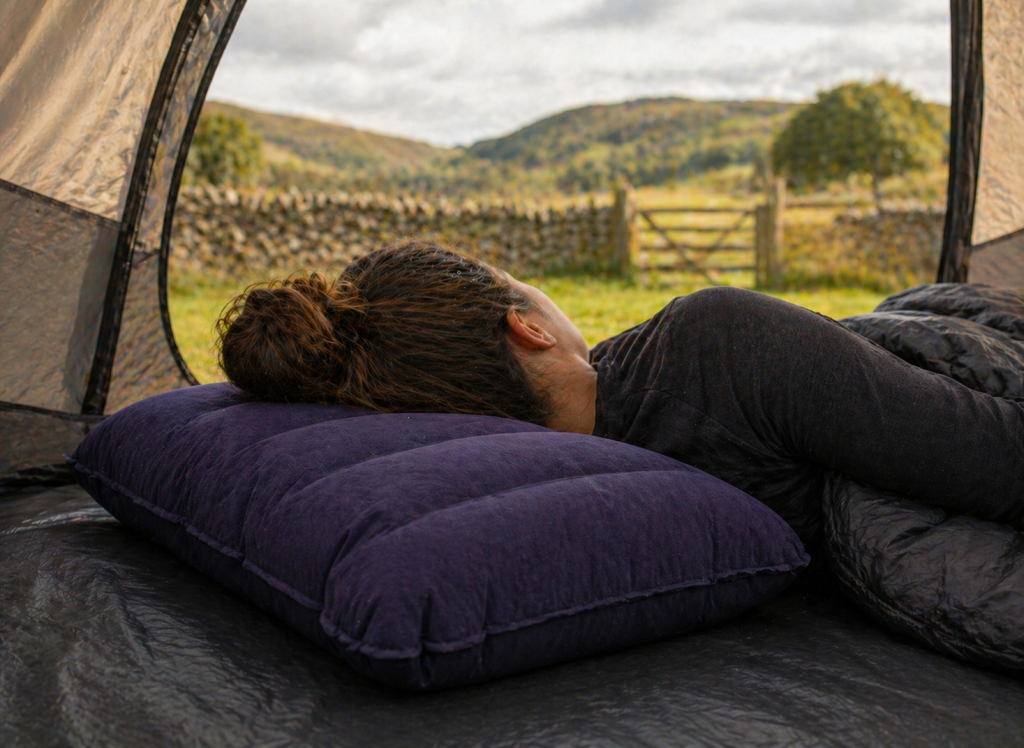
Put a sleeping mat or airbed underneath. It insulates you from the ground, which pulls heat away all night, so it affects warmth as much as comfort. A closed-cell or self-inflating mat does the job for most people. An airbed is more comfortable, but colder, unless you put a layer on top. Dry socks kept only for sleeping are a cheap upgrade.
Ready for whatever the weather does
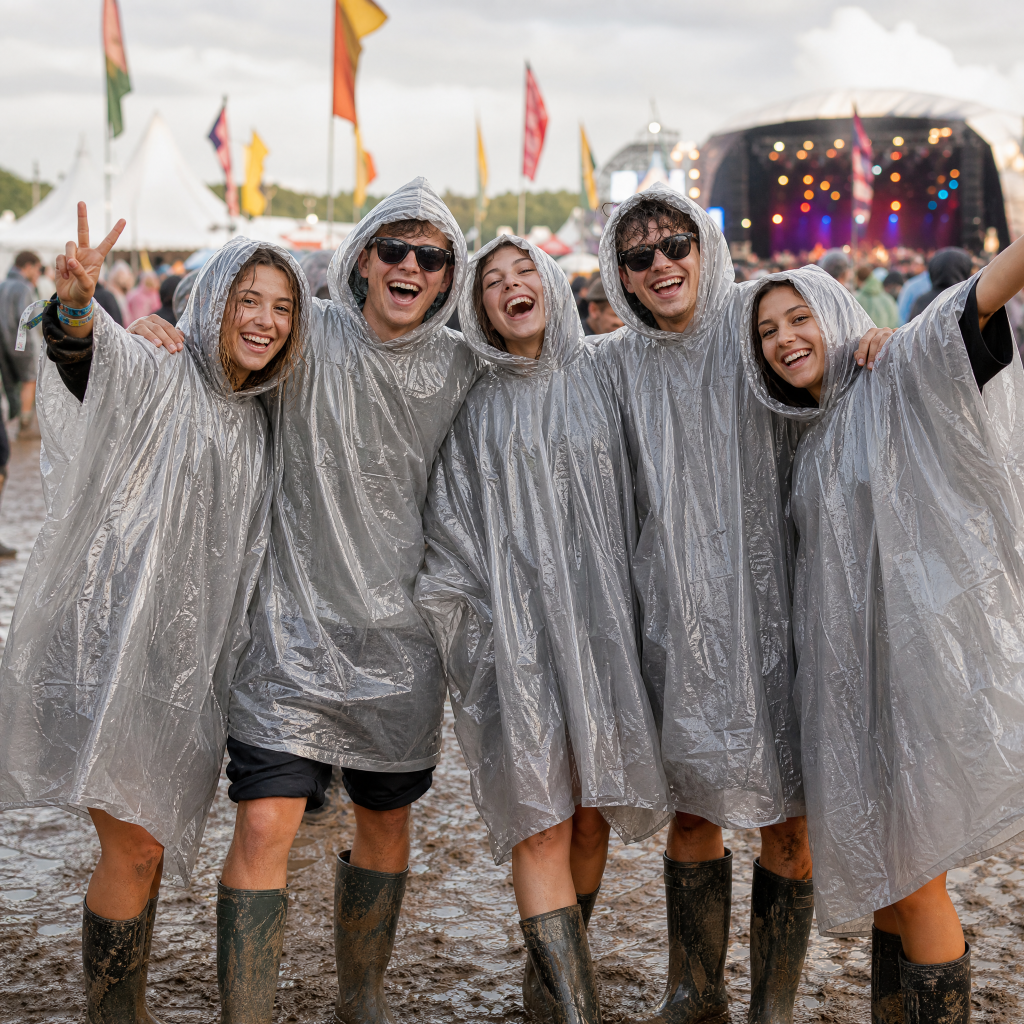
Pack for sun and rain in the same day, because British festivals rarely commit to one. A waterproof poncho is the most practical option in a crowd, quicker to pull on than a jacket and less hassle than an umbrella. It also packs down to almost nothing, so it lives in your bag until the clouds arrive.
Layers handle the temperature swing. A fleece or hoodie over a t-shirt covers most evenings once the sun drops. On clear days an open field gives you no shade, so sun cream and a hat matter as much as waterproofs. Wellies or waterproof boots are worth the space if the forecast looks wet.
The bits people always forget
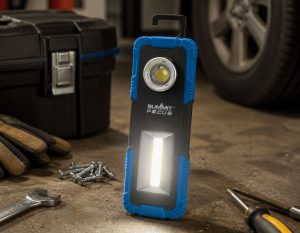
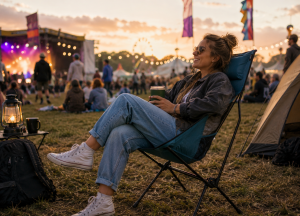
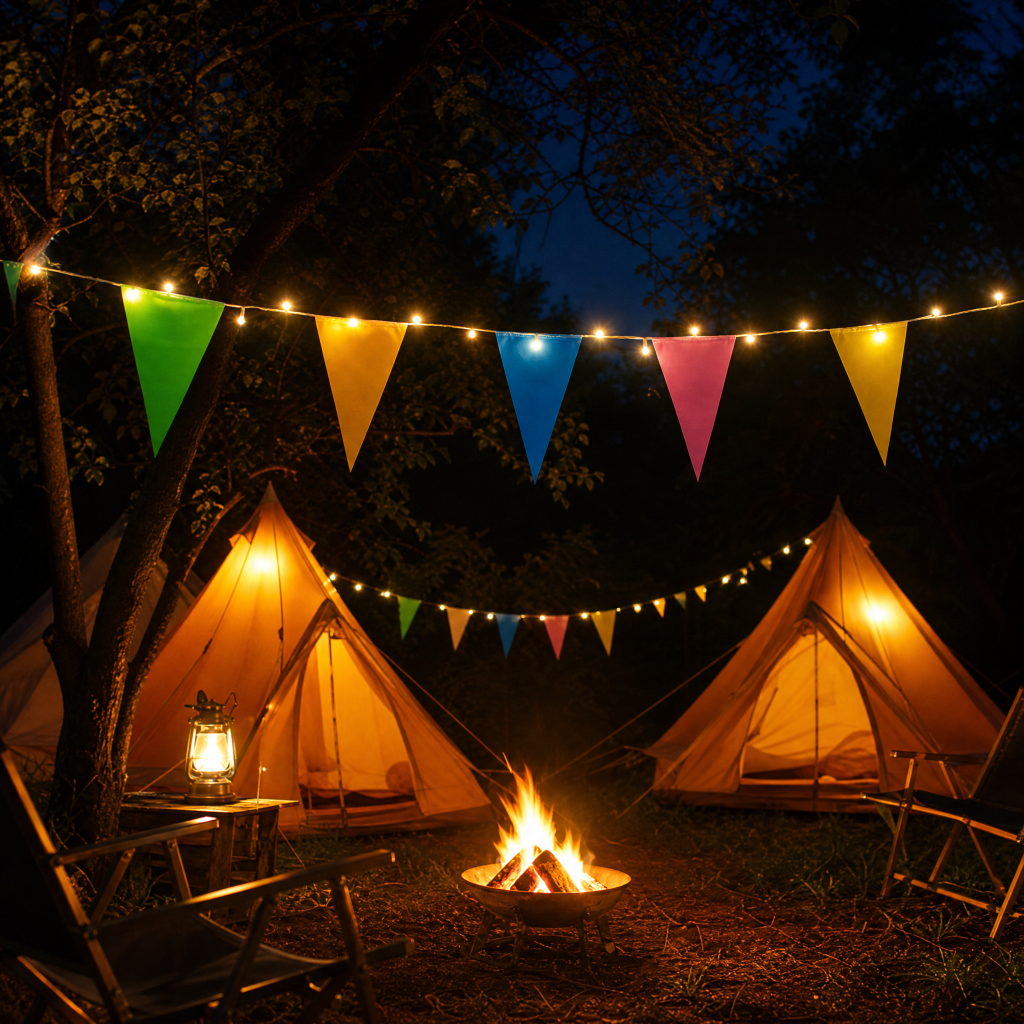
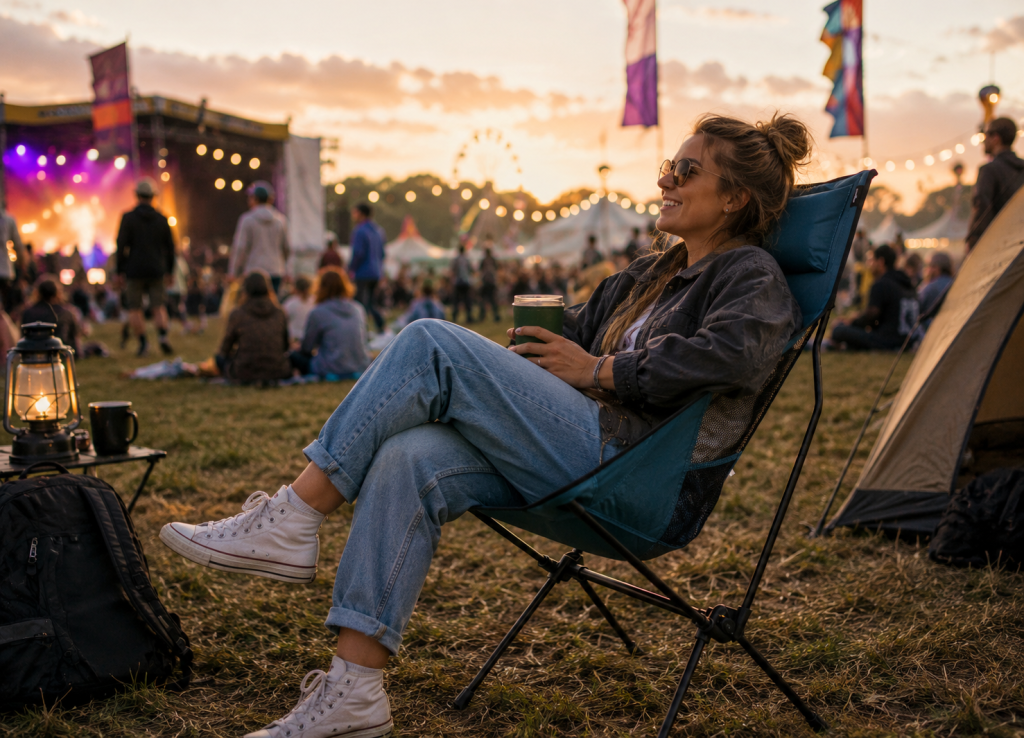
A head torch is the single most useful small item, keeping your hands free on the walk back to the tent at night. Add a lantern or string lights inside so you can see once you’re in. Both run for days on a charge or on batteries, so pack spares.
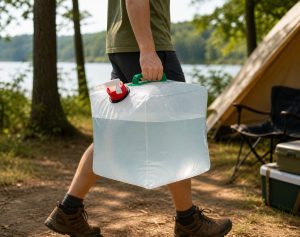
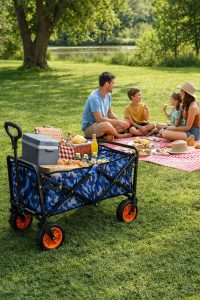
A cool bag with a couple of frozen ice packs keeps food and drink cold for a day or two. That saves a fair bit against on-site prices. Getting everything from the car park is the other thing people underestimate. A folding trolley or a few stackable storage boxes turns three trips into one.
Leave some things at home too. Glass is banned at most festivals, so decant into plastic. Skip anything valuable you’d hate to lose. And take fewer clothes than you think, because you’ll wear about half of what you pack.
Sorted for the weekend, without spending a fortune
We’ve supplied camping and outdoor gear to UK retailers for over 20 years, since 2002, and now sell direct. That means festival kit at a fair price, chosen to do the job all weekend and pack away for the next one. You’re not paying a premium for a name you’ll only ever see in a field.
Good value is not the same as cheap. The aim is gear priced fairly for what it does, not built down to the lowest cost. That difference shows once you’re relying on it in a field.
Getting your kit sorted before you travel beats paying over the odds on site. Browse the full camping range to fill any gaps in your festival setup.
Frequently Asked Questions
The essentials are a quick-pitch tent, a warm sleeping bag and mat, a waterproof poncho, a head torch and a cool bag for food and drink. You’ll also want a trolley or boxes to carry it from the car park, plus wellies, a power bank and the usual toiletries.
A pop up tent suits most festival-goers because it pitches in seconds and packs down small enough to carry easily. For families or a full week on site, a dome tent offers more space and better wind resistance, though it takes longer to pitch.
Use a cool bag or cool box with two or three frozen ice packs. That keeps food and drink cold for a day or two. Freeze what you can beforehand, keep the bag out of direct sun, and top up ice from the site shop when you can.
Avoid glass bottles, which most festivals ban, anything valuable you would not want to lose, and more clothes than you will realistically wear. Check your festival’s website as well, since some restrict gazebos, large flags or certain cooking equipment.