






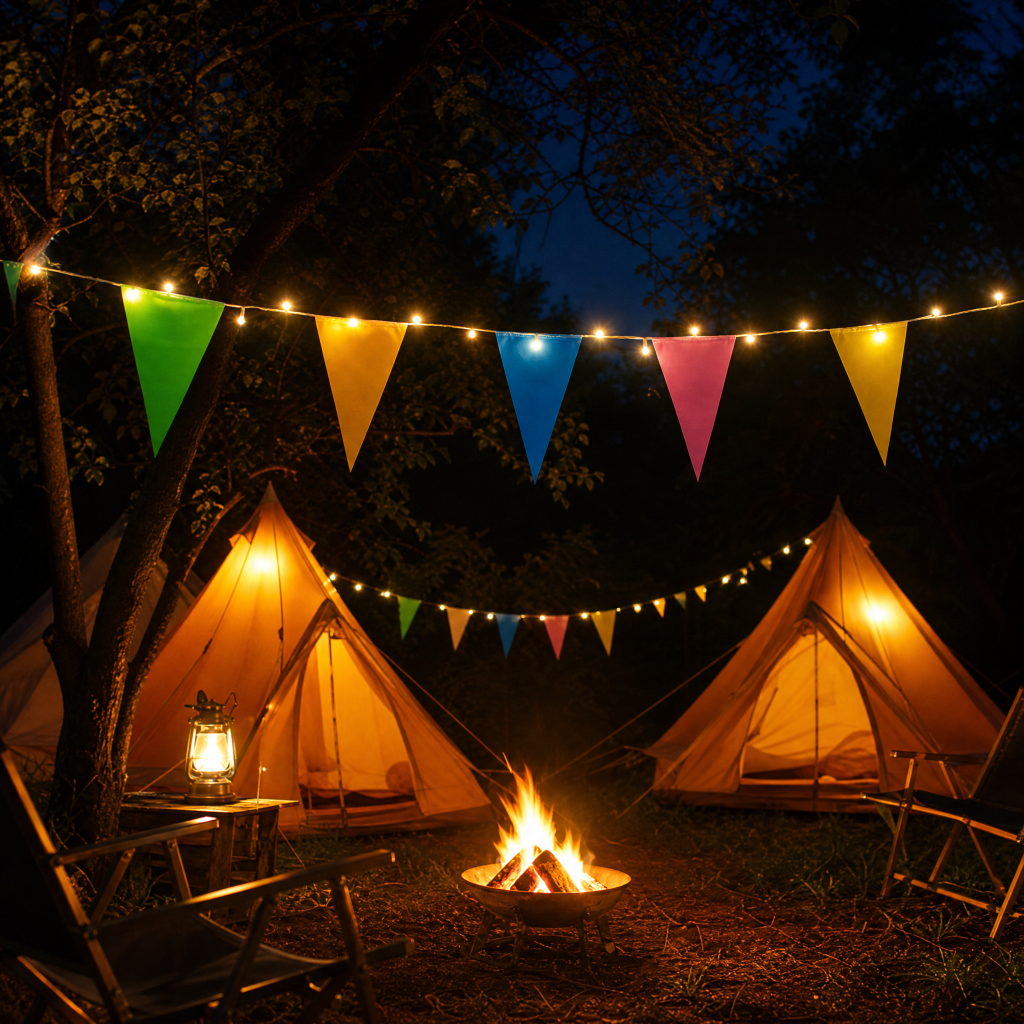
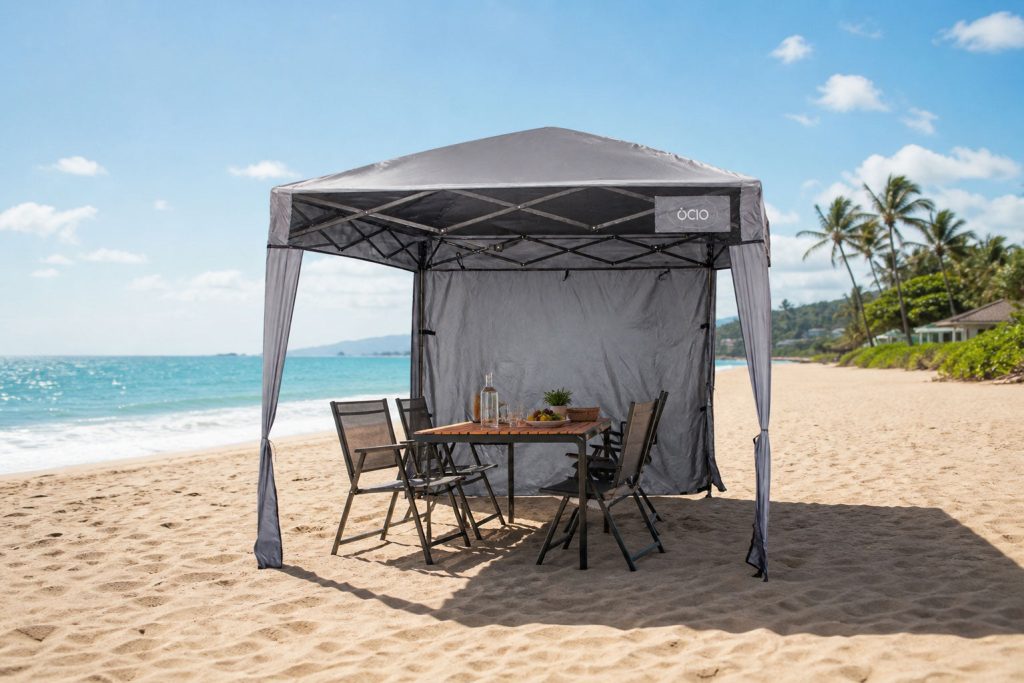
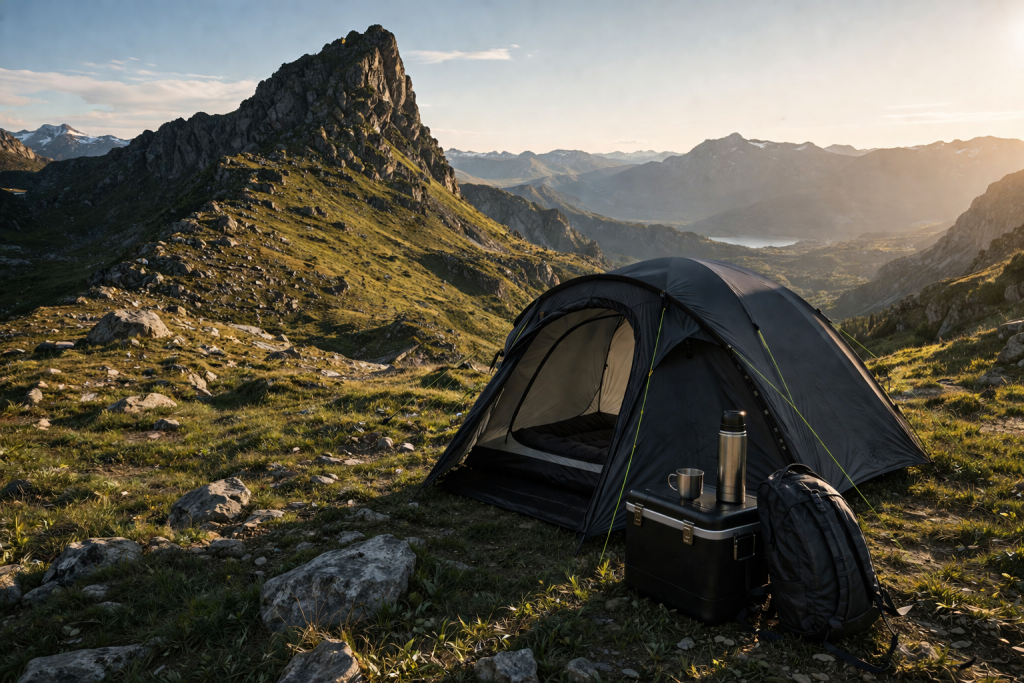
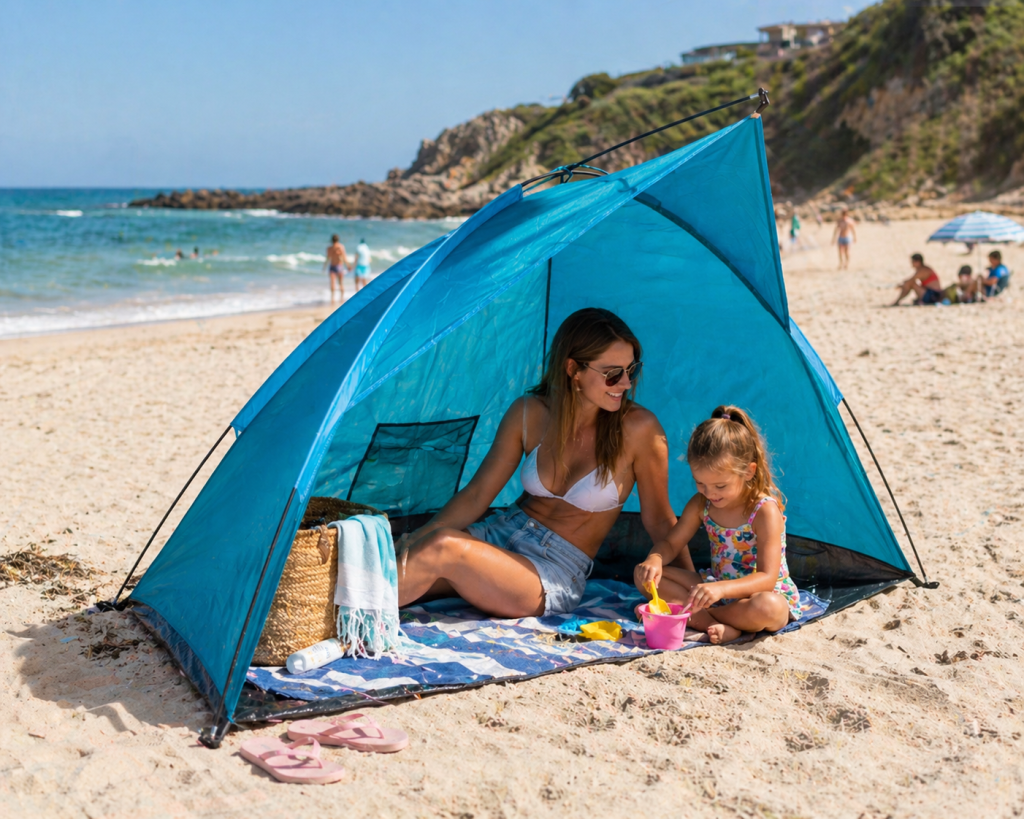
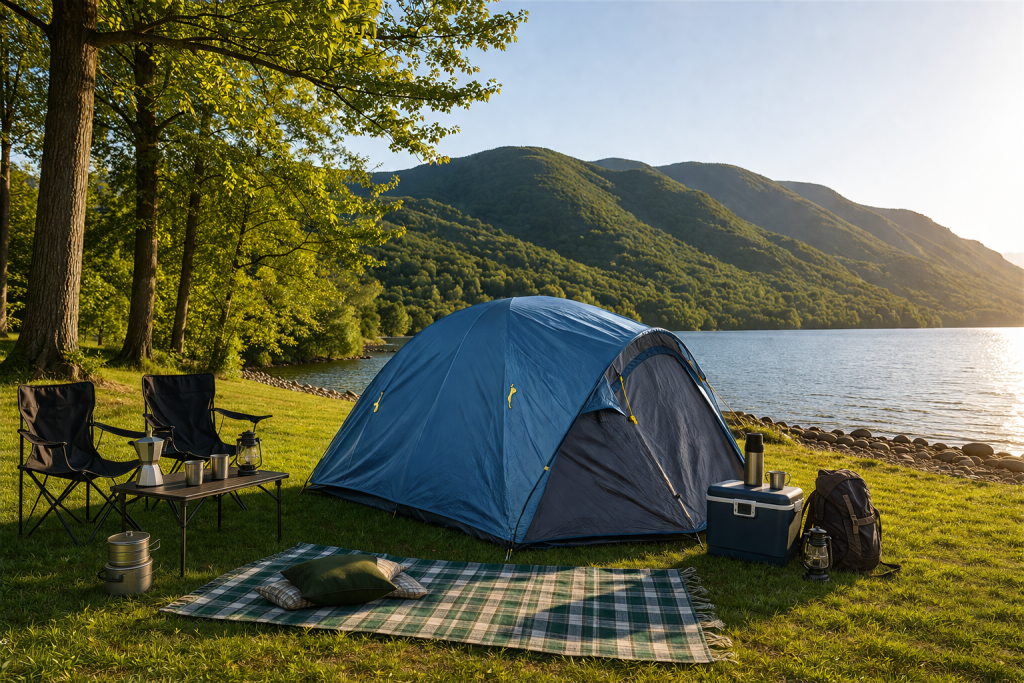


First, know your trip type
Before you compare specs, get honest about how you camp. A lightweight solo backpacker and a family of four rolling up in a hatchback have completely different needs — and completely different budgets. Think about:
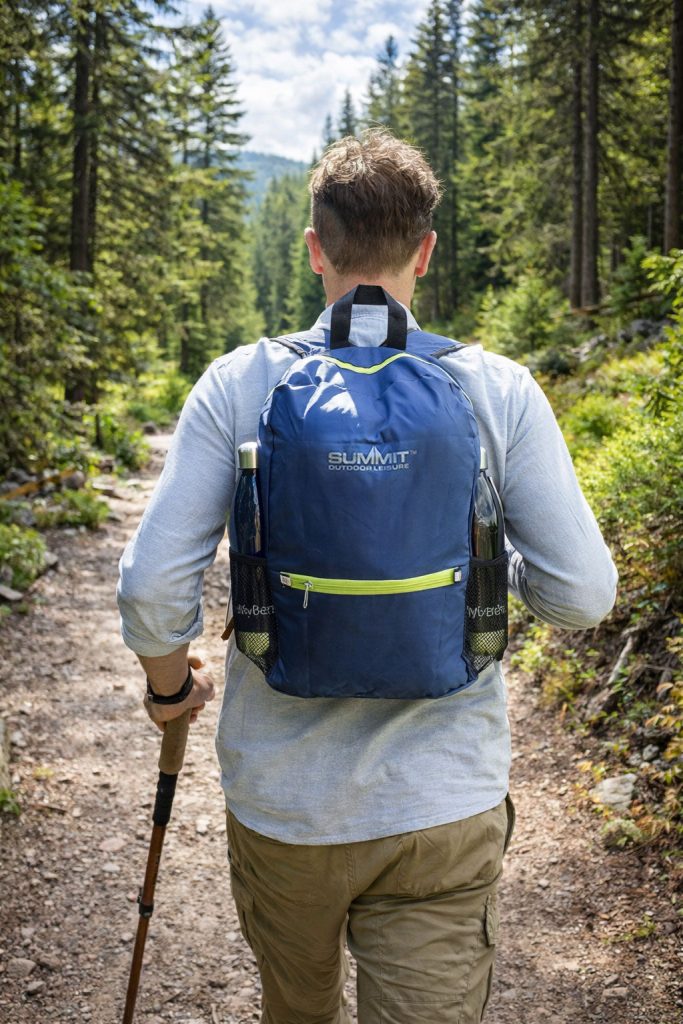
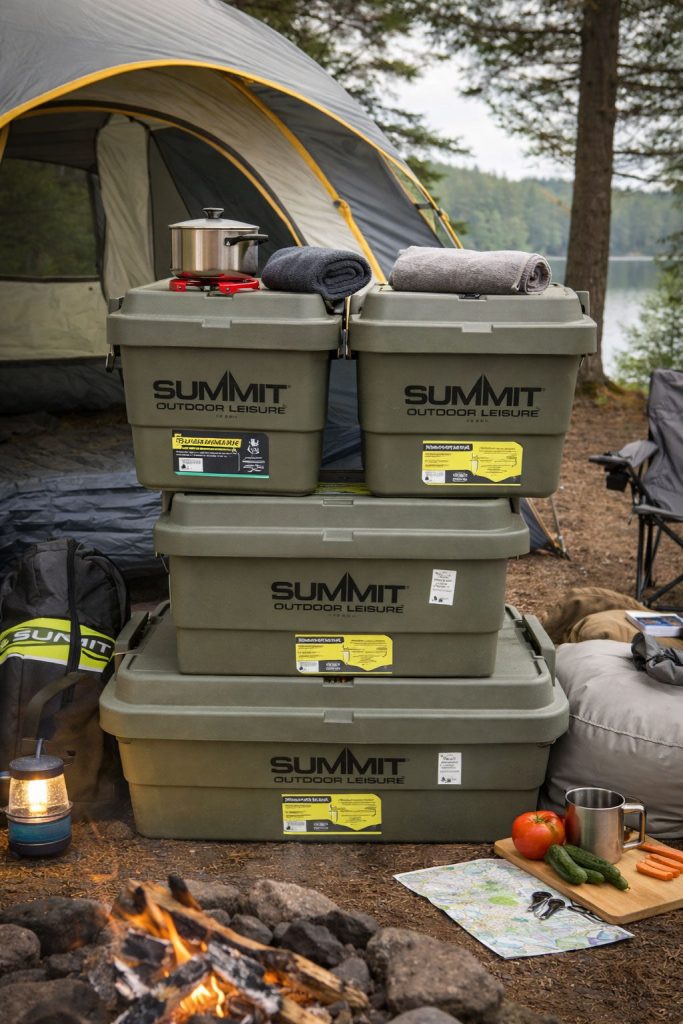
How do you get to your pitch? Drive-up camping means weight barely matters. Backpacking means every gram counts.
How many people are sleeping in it? Always size up. A two-person tent is cosy for one; it’s a squeeze for two.
What season are you camping in? Summer festivals need ventilation. Mountain trips in autumn need serious weather protection.
Seasons and ratings explained
Tents are rated by season — but the labelling can be confusing. Here’s a plain-English breakdown:
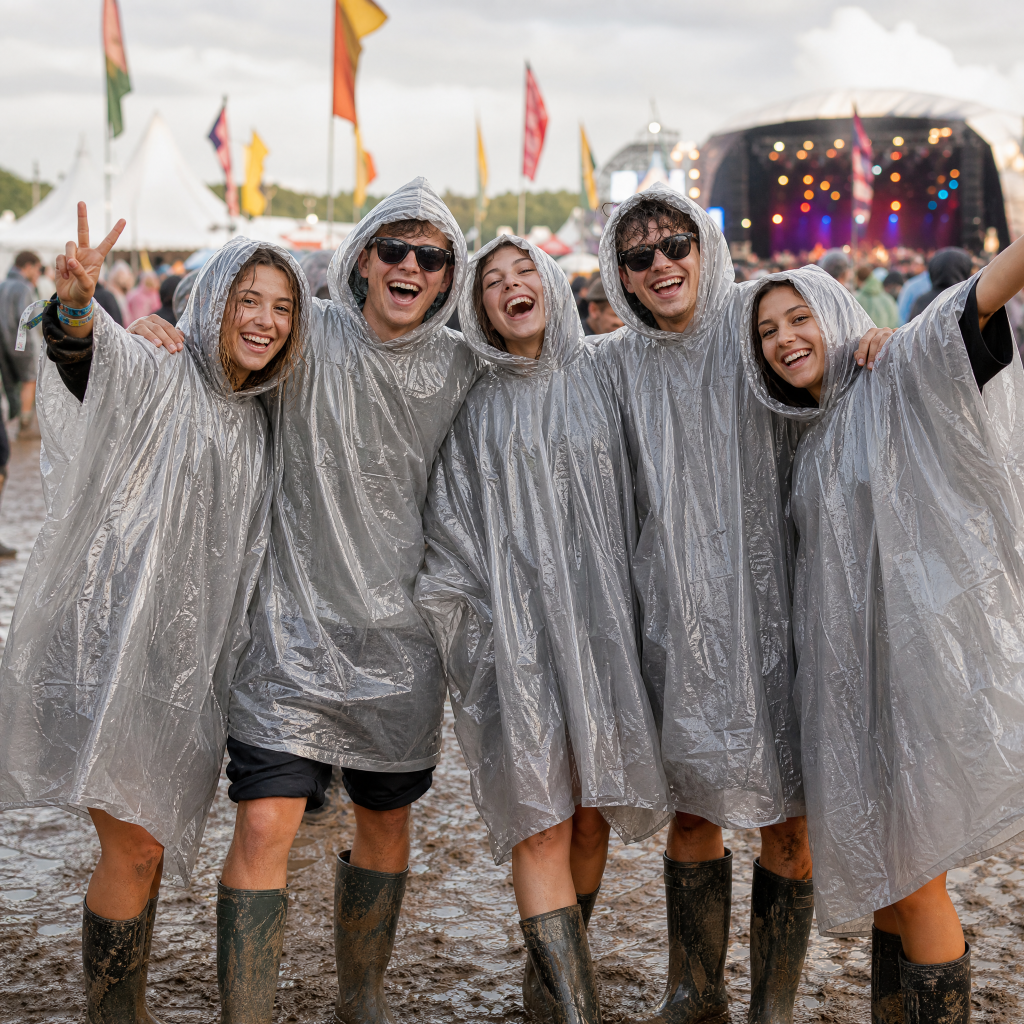
1-season / festival tents: Cheap, light, and built for dry summer weather. Fine for a music weekend, but don’t rely on them if the forecast turns.
2-season tents: Suitable for spring and summer camping in mild conditions. Better ventilation, a bit more structure, but still not built for serious wind or heavy rain.
3-season tents: The workhorse of camping. Handles everything from spring through to autumn, copes well with rain and moderate wind, and is usually the right choice for most campers.
4-season / winter tents: Designed for harsh alpine conditions, heavy snowfall, and high winds. Heavier, warmer, and significantly more expensive. Unless you’re heading above the snowline, you probably don’t need one.
Waterproofing: what the numbers mean
You’ll see a figure like 2,000mm HH or 5,000mm HH on the spec sheet — this is the hydrostatic head, measuring how much water pressure the fabric can resist.
1,500–2,000mm: Fine for light rain and short trips
3,000–5,000mm: Solid protection for UK weather and multi-day trips
5,000mm+: Serious all-weather performance
Check both the flysheet and the groundsheet. The groundsheet takes constant pressure from your body weight, so it needs a higher rating — ideally 5,000mm or more.
Poles: what they’re made of matters
Fibreglass is cheap and heavy, and can crack in cold weather. Aluminium is lighter, stronger, and far more durable — worth the extra cost. Carbon fibre is the premium ultralight option, found in high-end expedition tents.
For most campers, aluminium is the sweet spot.
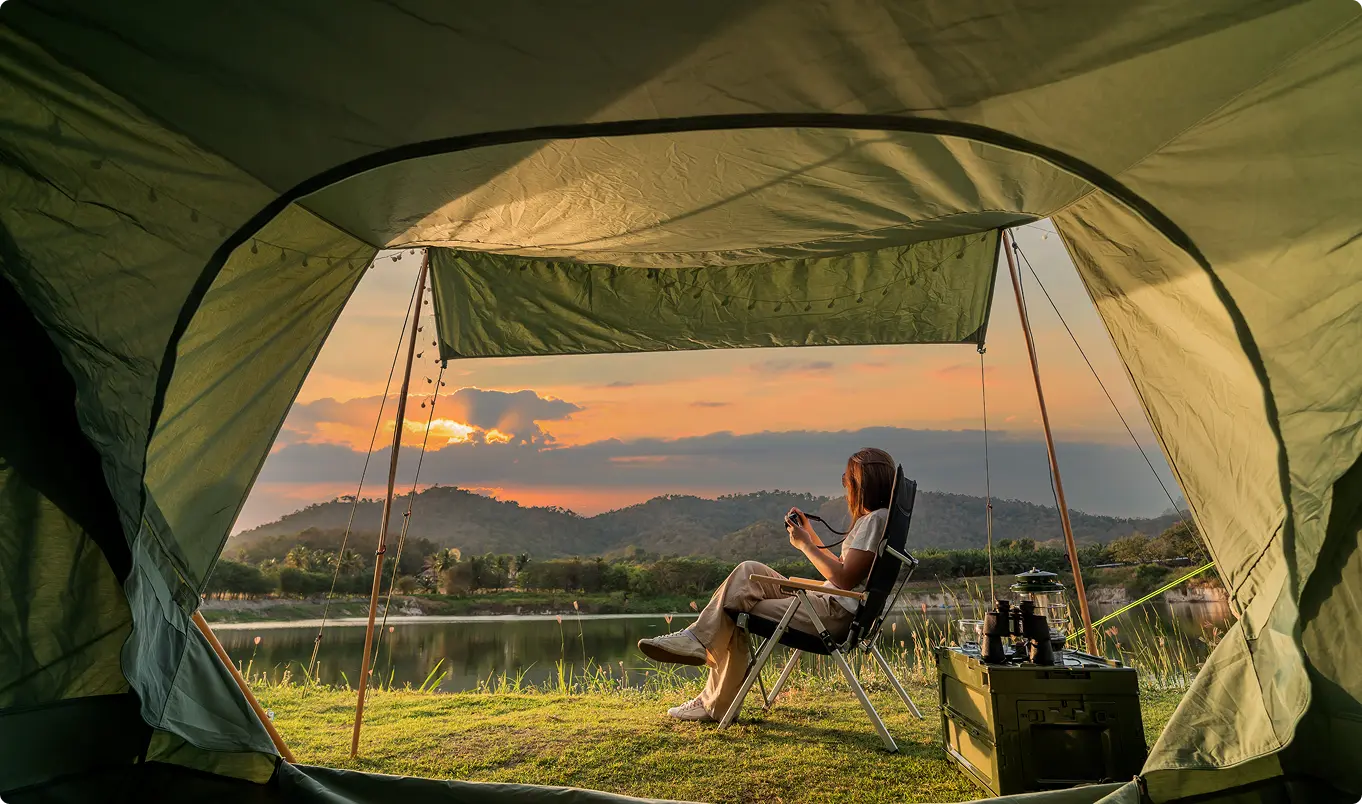
Capacity: always size up
A tent labelled “2-person” fits two people lying flat — just. There’s no room for gear, and if either of you moves in the night, you’ll be nose-to-canvas. A two-person tent is comfortable for one; a three-person tent is comfortable for two.
The same logic applies across the range. If in doubt, go bigger.
Ease of pitching
A tent that takes 45 minutes in daylight is miserable in the dark after a long drive. Before you buy, check how many poles it uses, whether it’s colour-coded for easier assembly, and whether one person can pitch it alone. A quick YouTube pitch video will tell you more than any spec sheet.
What to spend
Under £50: Festival quality. Treat as disposable.
£50–£150: Fine for occasional use in reasonable weather.
£150–£350: Where quality really shows — good waterproofing, decent poles, proper ventilation.
£350+: Serious kit, built to last years of regular use.
If you camp once or twice a year, the mid-range is the sweet spot. Camp regularly, and investing properly pays off fast.
Quick checklist before you buy
✓ Sized up from the stated capacity?
✓ Season rating right for when and where you’re going?
✓ Hydrostatic head high enough on both flysheet and groundsheet?
✓ Aluminium poles?
✓ Watched a pitch video?
Get those right, and you’re sorted. The best tent isn’t the most expensive one — it’s the one that fits how you actually camp.
Ready to shop?
Browse our range of tents here — curated for every type of adventurer.