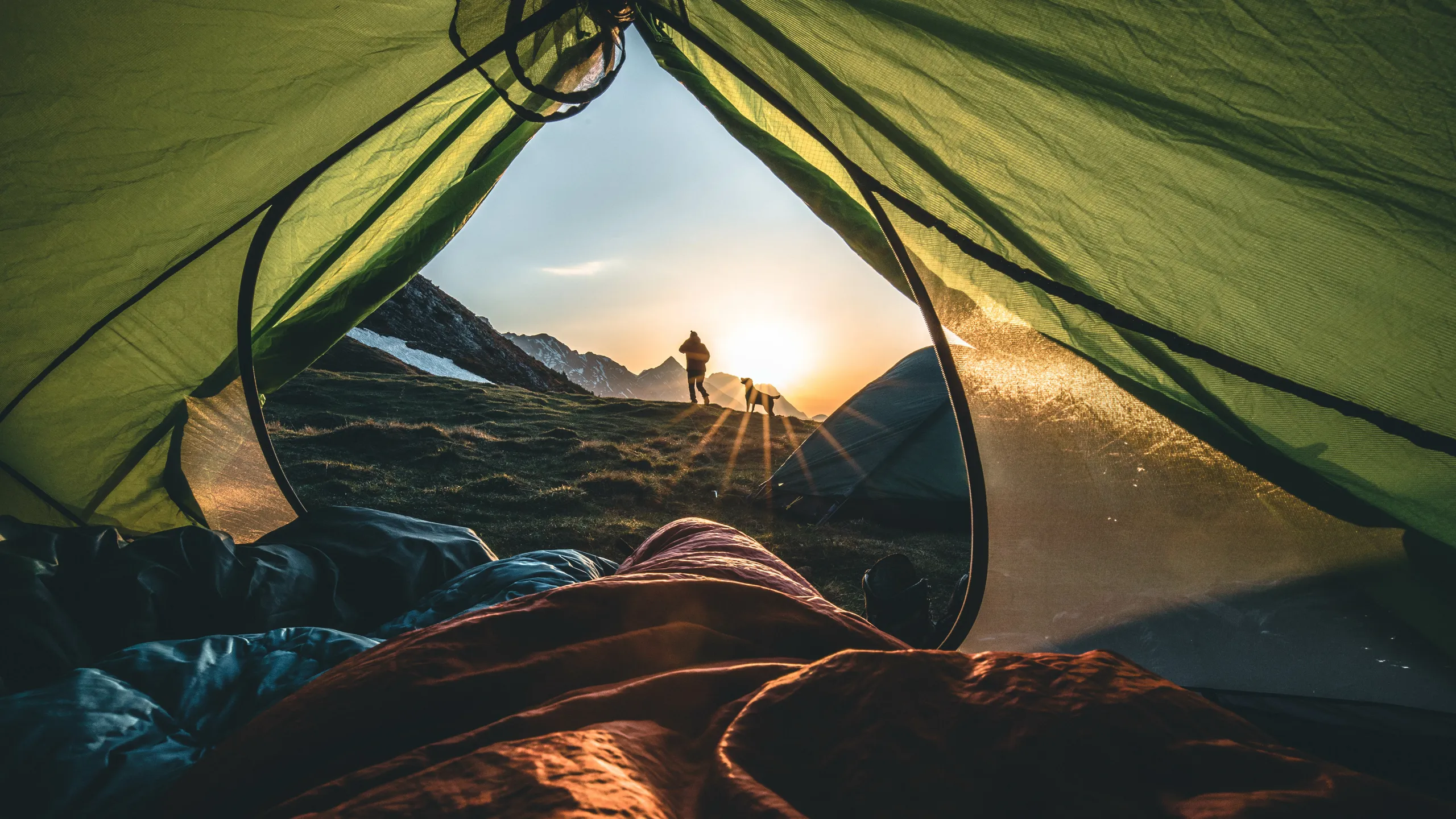

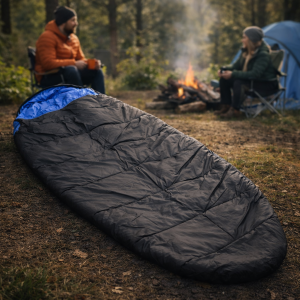








Your sleeping bag’s temperature rating is only half the story. That number, the one printed on the label and listed in the spec sheet, describes a controlled test. It doesn’t account for the cold ground beneath you, the damp air inside your tent, or the fact that you went to bed dehydrated after a long day on the trail. How you layer up, what you sleep on, and even what you eat before bed can make the difference between a comfortable night and a miserable one.
Here’s how to actually get the most out of your bag:
- Layer up – Wear a base layer, hat, and dry socks. Your bag amplifies your own warmth, it doesn’t generate it.
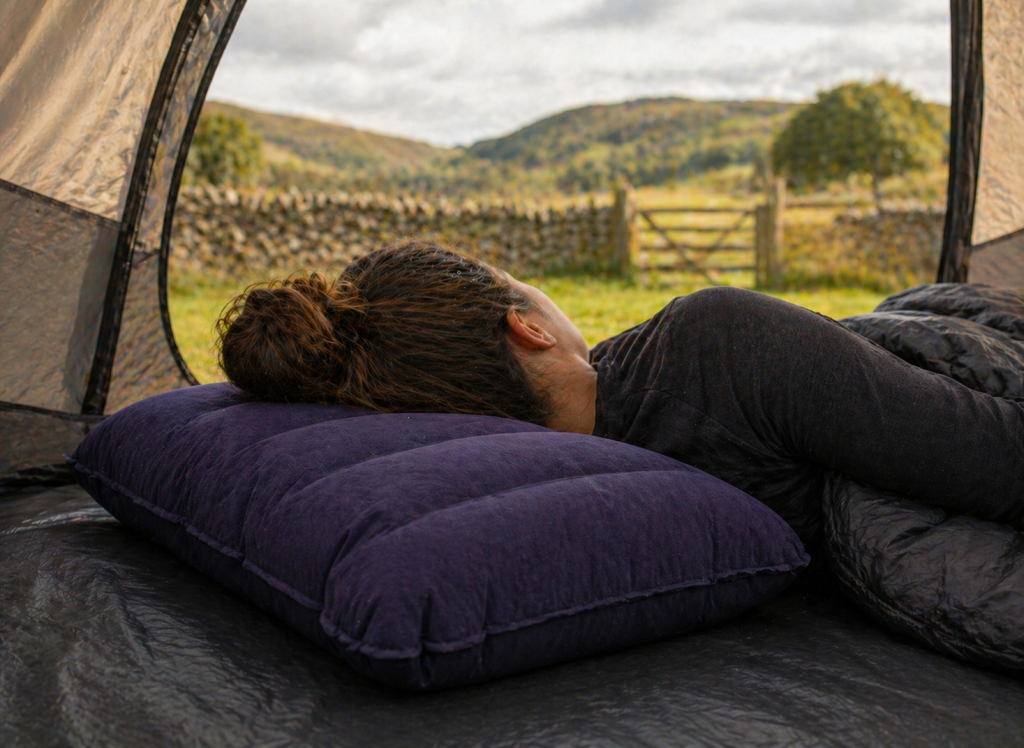
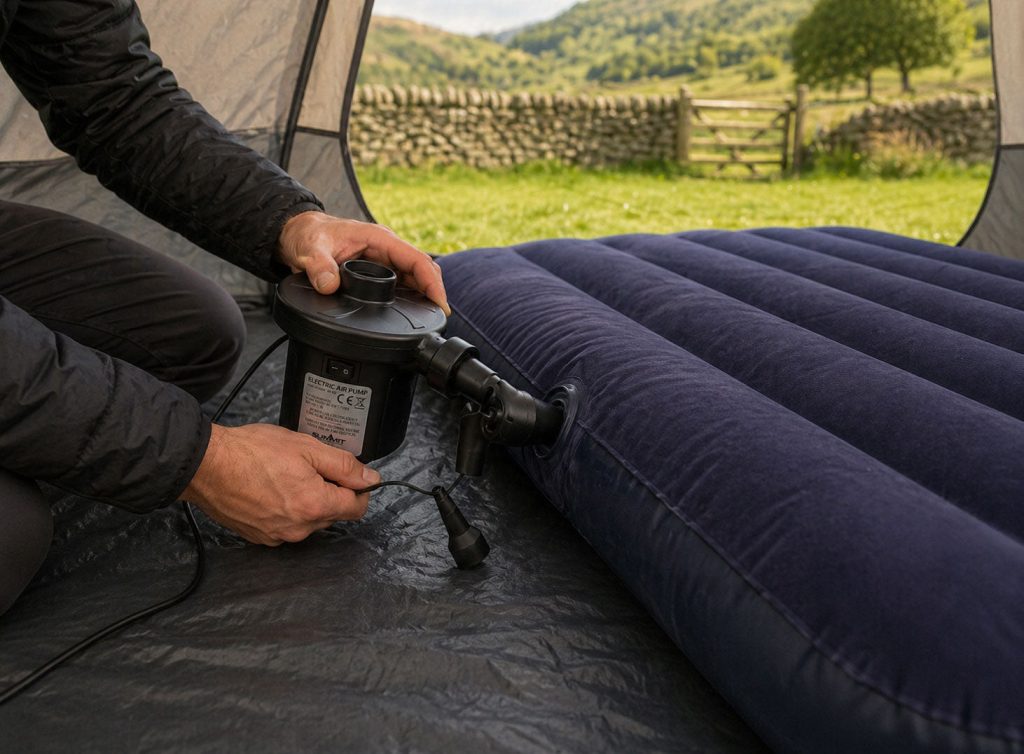
- Insulate from below – Use a sleeping pad with adequate R-value. Cold ground steals far more heat than cold air does
- Eat before bed – A small high-fat snack gives your body fuel to burn overnight and keep you warmer through the night
- Stay dry- Moisture kills insulation. Change out of sweaty clothes before climbing in and ventilate your bag in the morning.
Understand the rating — then go beyond it
Temperature ratings follow the EN/ISO 13537 standard, tested on a mannequin under controlled conditions. The comfort rating is calibrated for women; the lower limit for men. Most people find they need a bag rated around 5–10°C colder than the conditions they expect. If you run cold, factor that in from the start.
“A sleeping bag traps the heat your body produces. If you’re cold when you get in, it’ll take a long time to warm up, or it never will.”
Pre-warm the bag
If you’re already cold when you climb in, your bag has to work much harder. Do a few jumping jacks or light stretches before bed to raise your core temperature. You can also put a water bottle filled with hot water inside the bag ten minutes before you turn in, a trick that makes a noticeable difference on genuinely cold nights.
Use a liner
A silk or fleece sleeping bag liner adds between 5°C and 15°C of warmth depending on the material, and costs far less than upgrading your bag. It also keeps your bag cleaner and reduces the frequency of washes, which matters, because washing degrades insulation over time, especially down.
Tighten the hood, protect the neck
A surprising amount of heat escapes from your head and neck. If your bag has a hood, cinch it down so only your face is exposed. Wrap a buff or light scarf around your neck to seal the gap at the collar. Some people also find that pulling the bag over their nose on especially cold nights helps, just make sure there’s enough ventilation to avoid moisture building up inside.
Manage moisture overnight
You lose around half a litre of moisture in sweat and breath every night. In cold conditions, that moisture condenses inside your bag and gradually reduces its loft. Leave your tent partially vented to allow airflow, and every morning, turn your bag inside out and let it air for as long as you can before packing up. Down in particular loses significant warmth when damp and it takes a long time to dry fully in the field.