

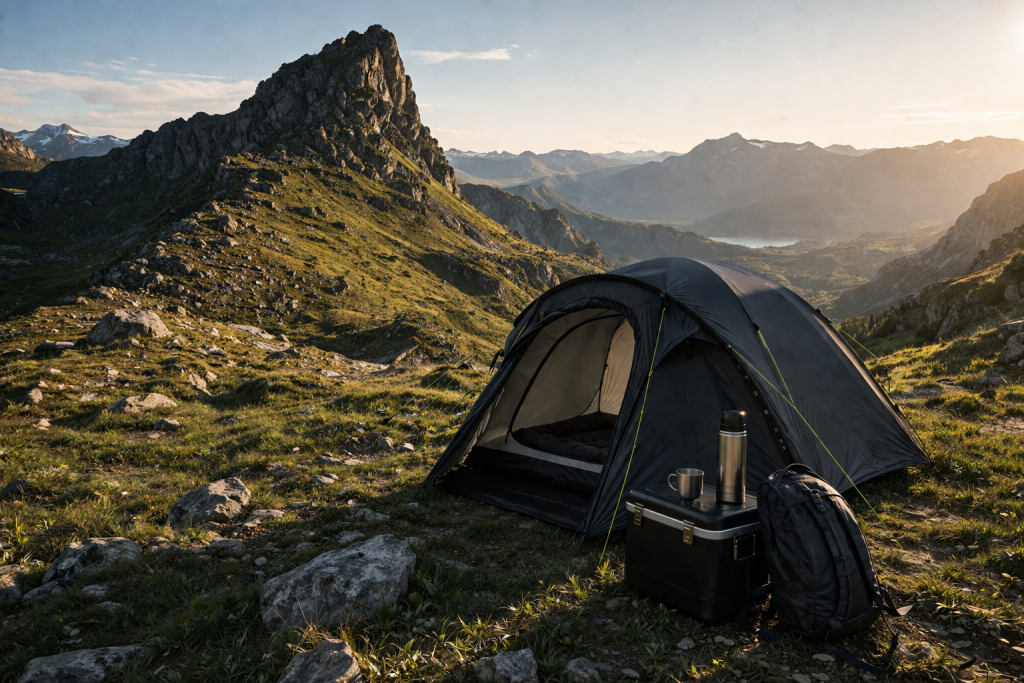
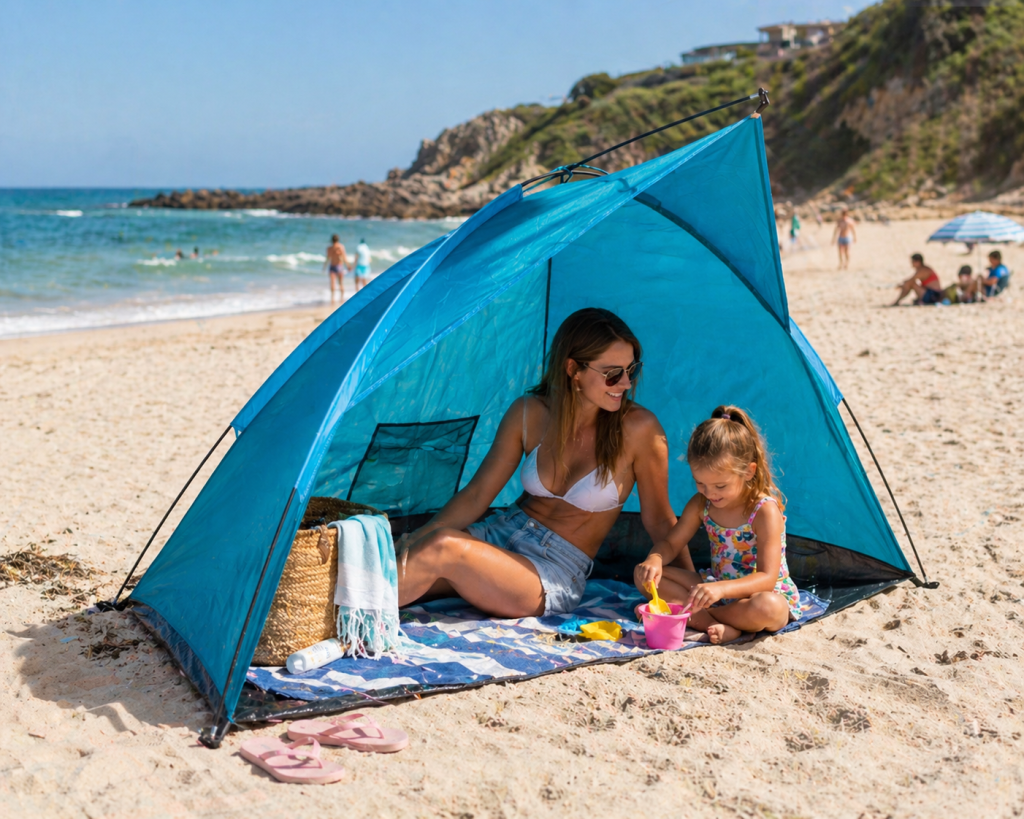
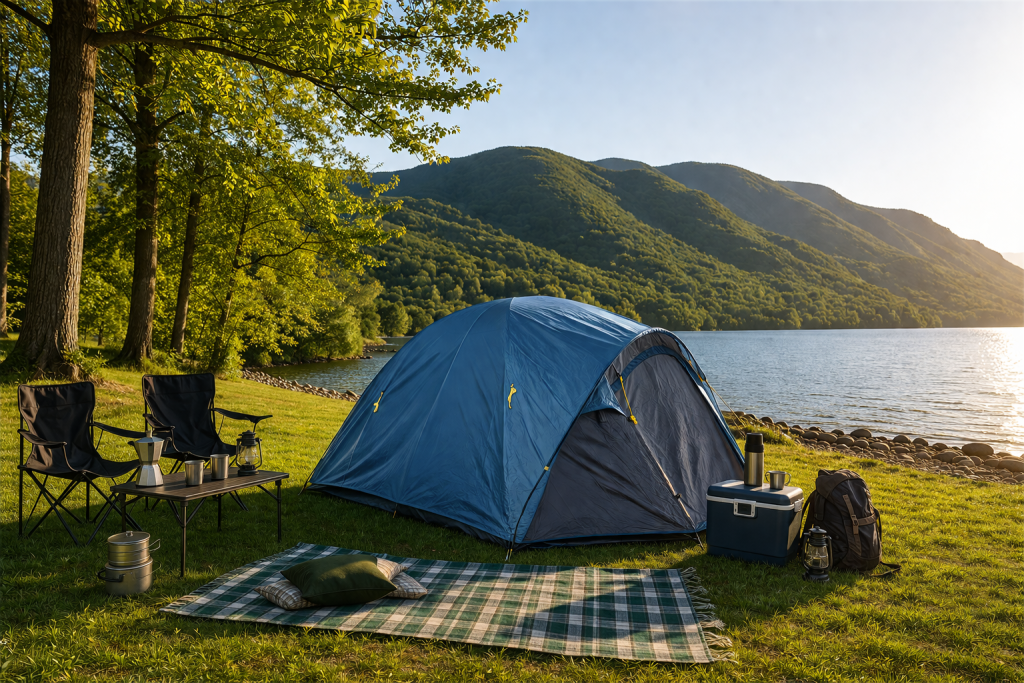

Camping is one of the cheapest holidays going, but you can still spend a small fortune on kit if you’re not careful, and cheap camping equipment isn’t always the bargain it looks. The trick is knowing which gear is worth paying for and which you can buy basic, borrow, or skip altogether. Spend in the right places and a full setup costs far less than people expect.
Here’s how to camp on a budget without ending up with gear that fails on the first wet weekend.
How can you go camping on a budget?
The biggest savings come from spending in the right places rather than cutting corners everywhere. Put your money into a tent, a sleeping bag and a mat, because those decide whether you have a good trip or a miserable one. Go basic on furniture, gadgets and the extras, which work fine cheap. And buy direct where you can, since cutting out the retail markup shaves money off without changing the gear.
Skip the very cheapest gear, though. A bargain tent that lets the rain in, or a thin bag that leaves you shivering, is a false economy you end up paying for twice.
Where to spend and where to save
Not all camping kit is worth the same money. A few items justify spending a bit more because they directly affect whether you have a good trip, while plenty of others work just as well bought cheap. This is roughly how it breaks down.
| Item | Spend or save | Why |
|---|---|---|
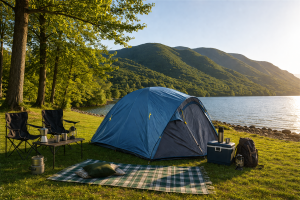
| Tent | Spend | A leaking or flimsy tent can end a trip early |
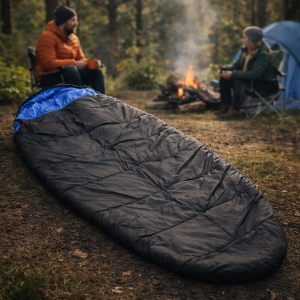
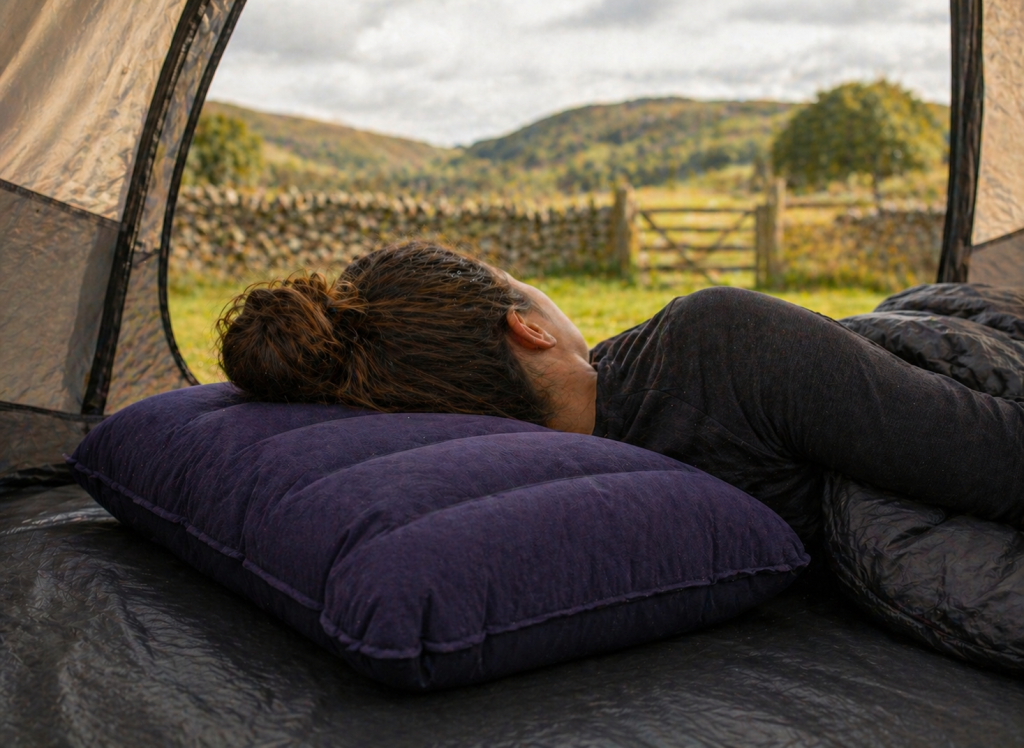
| Sleeping bag and mat | Spend | Warmth makes or breaks the night |
| Waterproofs | Spend | Staying dry matters more than looking good |
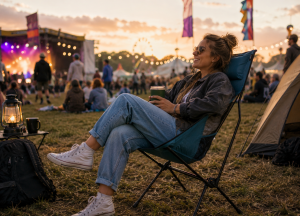
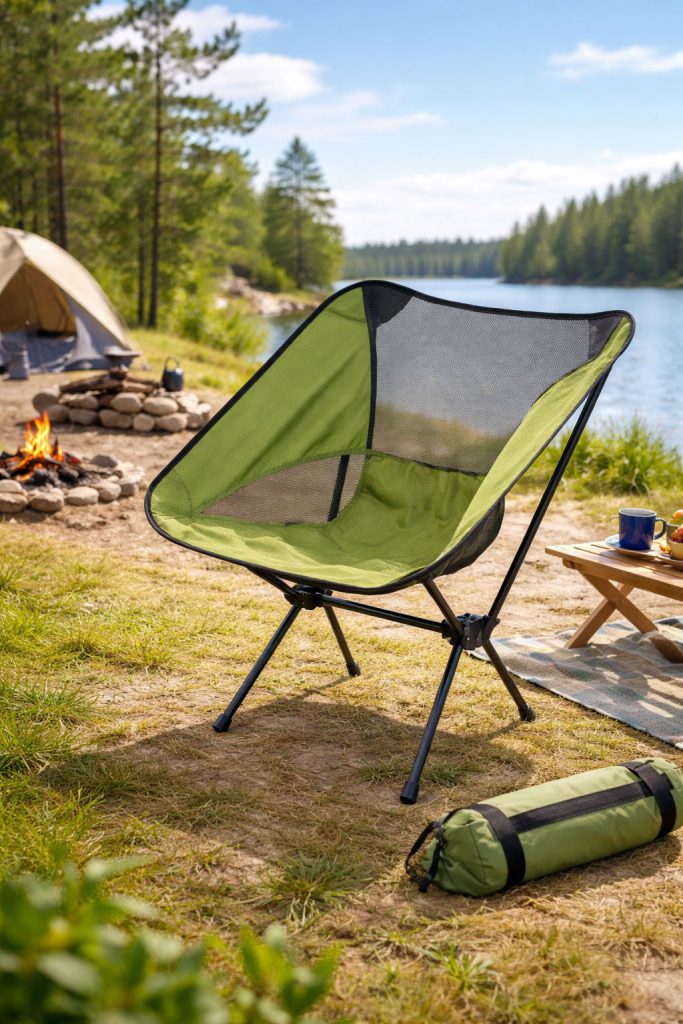
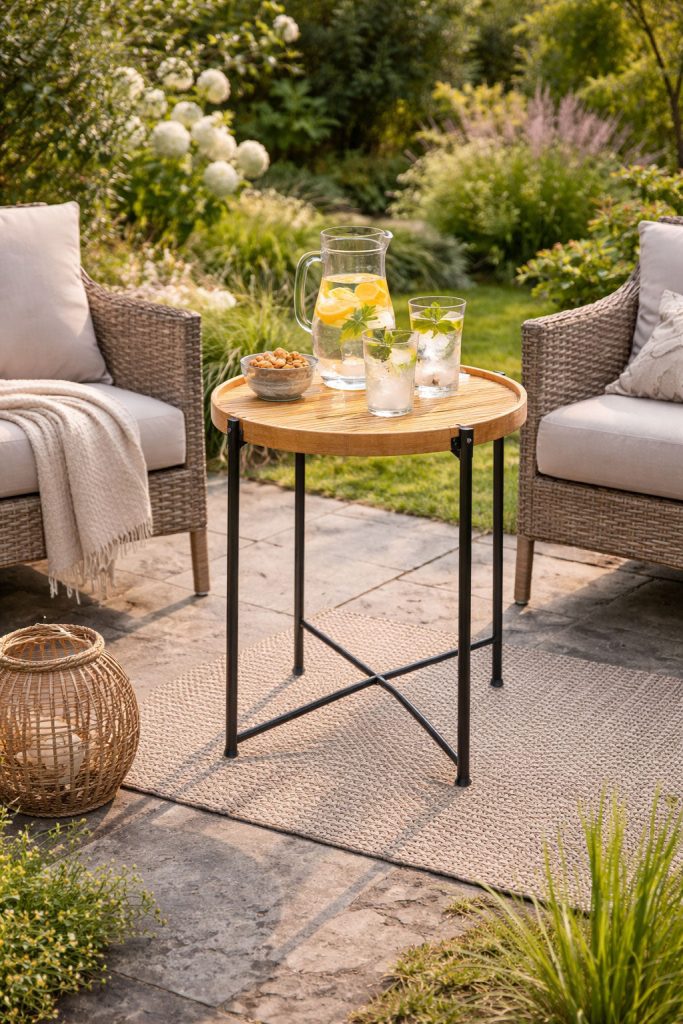
| Camping furniture | Save | Basic folding chairs do the job fine |
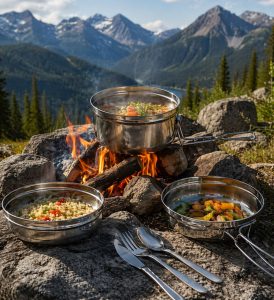
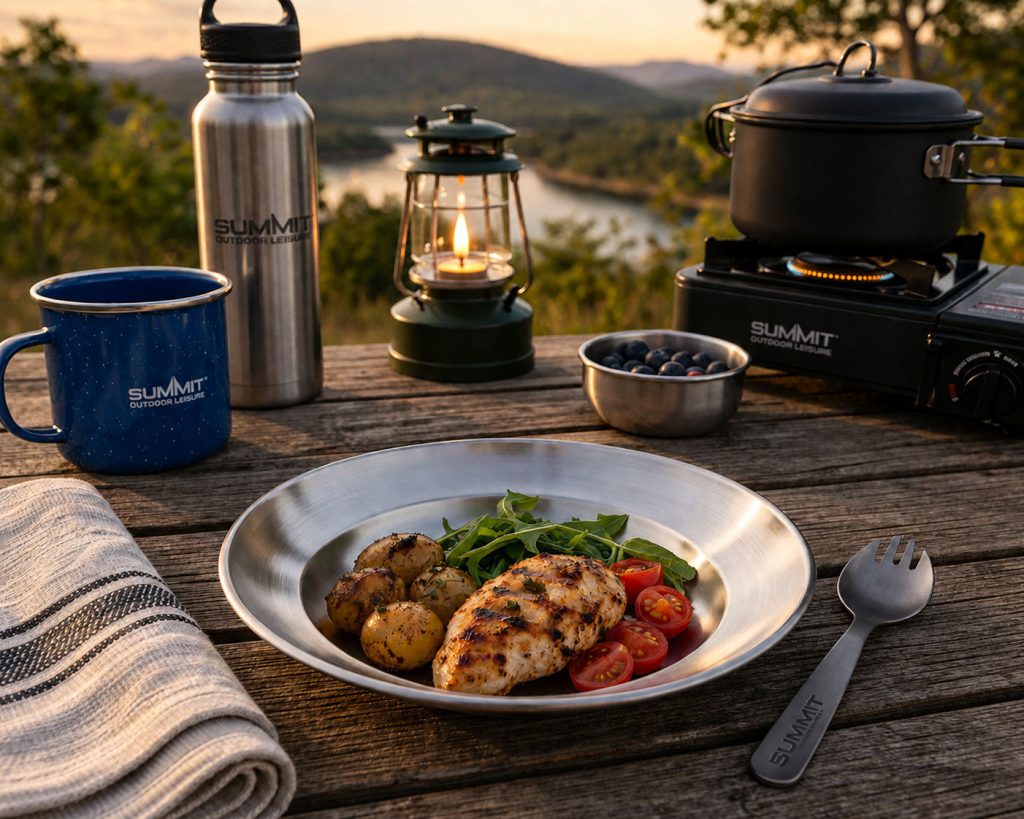
| Crockery and cutlery | Save | Cheap sets or picnic ware work perfectly well |
| Gadgets and extras | Save | Nice to have, rarely worth the money |
How to buy cheap camping equipment that lasts
Cheap doesn’t have to mean throwaway if you buy carefully. A few habits get you a full setup for less, without leaving you with gear that gives up after one trip.
- Buy a starter bundle, which usually costs less than the same items separately
- Shop at the end of the season, when summer kit is discounted
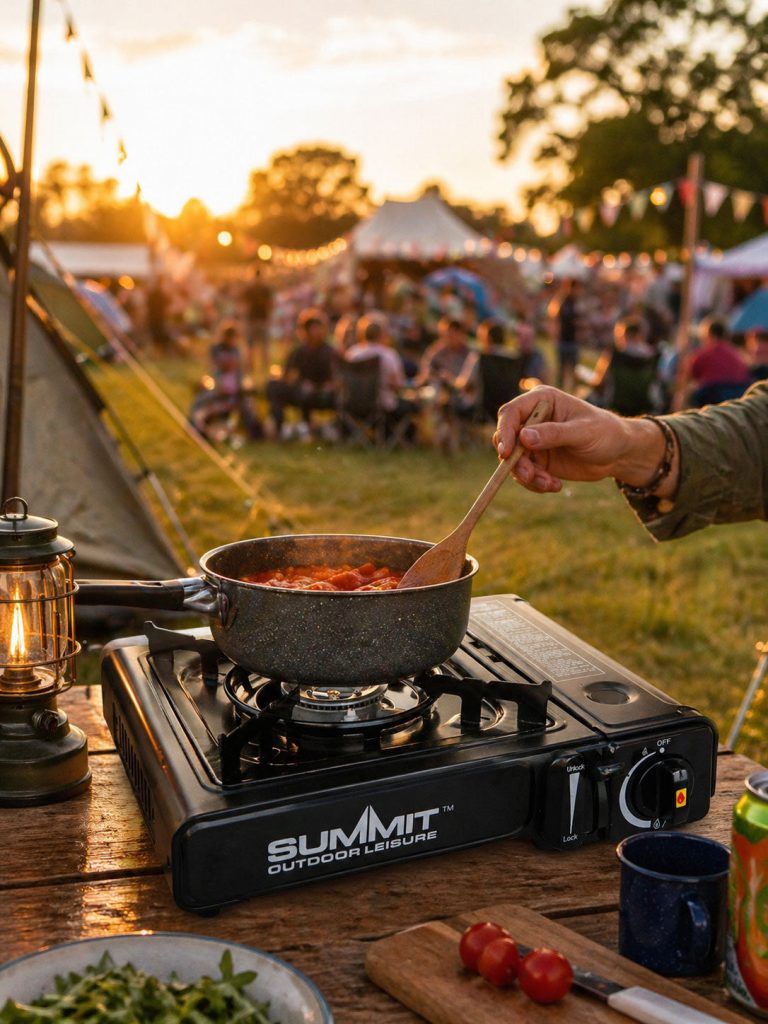
- Borrow bulky items like a stove or cool box for your first few trips
- Buy direct where you can, to cut out the retail markup
- Look after your gear, so it lasts and you buy once rather than twice
Is cheap camping gear worth it?
Sometimes, and sometimes not. For low-stakes items like a folding chair, a cheap version is usually fine and the money saved is better spent elsewhere. For the gear your comfort depends on, the cheapest option often costs more in the long run once you’ve replaced it.
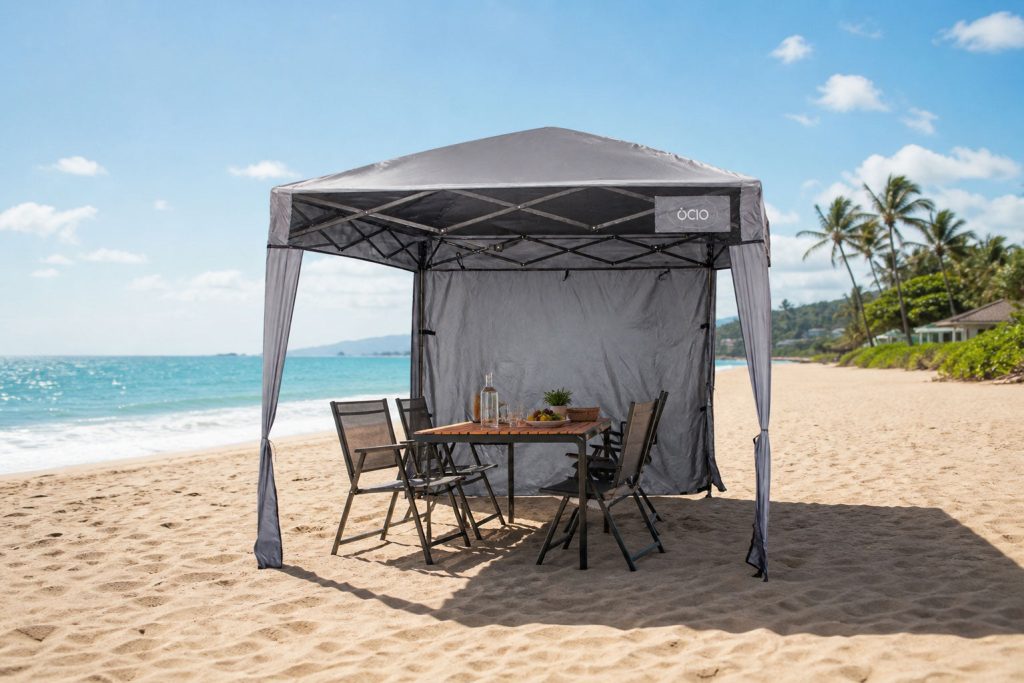
The middle ground is where most people should aim: gear priced fairly for what it does, rather than either the cheapest thing on the shelf or a name you’re mostly paying extra for. A well-chosen pop-up tent, a warm sleeping bag and a sturdy bit of camping furniture will see you through years of trips without costing the earth.
Buying direct, and buying once
Summit has spent over twenty years supplying camping gear to UK retailers, and since 2002 has grown from that into selling direct to campers. Selling direct is a big part of how the prices stay fair: there’s no chain of middlemen adding their cut on top of the gear.
That’s the whole point of good value: not the lowest price on the shelf, but gear that’s priced fairly and lasts, so you buy once instead of twice. A tent that lasts years of trips beats a bargain one that packs up after a couple of outings.
Kitting out for less doesn’t mean settling for gear that lets you down. Browse the full camping range for practical kit at a fair price.
Frequently Asked Questions
A basic setup for two can be put together for roughly a hundred to two hundred pounds if you stick to the essentials. After that, camping itself is cheap: pitch fees are usually a fraction of a hotel, and you can cook your own food rather than eating out.
The cheapest way is to stick to the essentials and borrow or skip the rest, camp at a basic site with lower pitch fees, and cook your own meals rather than eating out. Buying a starter bundle and shopping at the end of the season keeps the initial outlay down.
It depends on the item. Cheap versions of low-stakes gear like chairs and crockery are usually fine, but for a tent, sleeping bag or mat, the very cheapest option often fails and costs more to replace. Fairly priced gear that does the job is the sensible middle ground.
Spend on the gear that keeps you dry and warm: your tent, sleeping bag, mat and waterproofs. Those are the items that ruin a trip if they fail. You can save on furniture, gadgets and extras, which work fine bought cheap or borrowed.