


A good camping checklist saves you from the two classic problems: getting to the site and realising you’ve forgotten something important, or packing so much you can barely shut the car boot. The trick is to work by category rather than trying to hold the whole list in your head.
This is a complete checklist for a UK camping trip, grouped by category so it’s easy to work through. Use it as a starting point, and cut anything that doesn’t apply to your kind of trip.
What to include on your camping checklist
At a minimum you need shelter, something warm to sleep in and on, a way to cook and store food, light for after dark, and clothing that can handle changeable weather. Everything after that is comfort, and comfort matters more than people expect once you’re there for more than one night.
Here’s the whole kit list at a glance, with the detail by category below.
| Category | The essentials |
|---|---|
| Shelter & sleeping | Tent and pegs, sleeping bag, mat, pillow |
| Camp kitchen | Stove and gas, cookware, cool bag, water |
| Comfort & light | Chairs, table, head torch, lantern |
| Clothing | Waterproofs, warm layers, boots, toiletries |
| Handy extras | Mallet, spare batteries, bin bags, first aid |
Shelter and sleeping
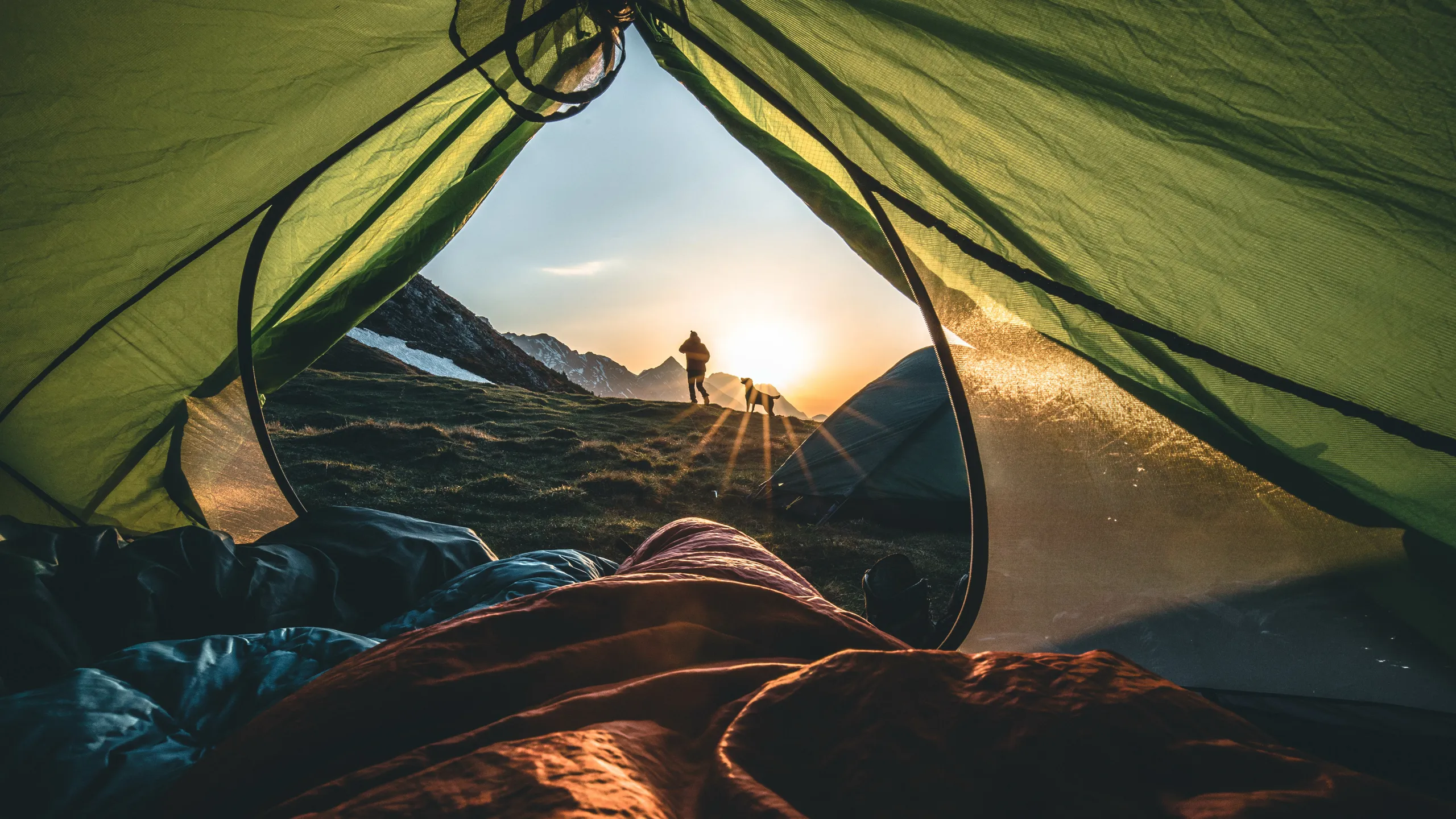
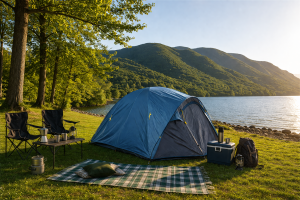
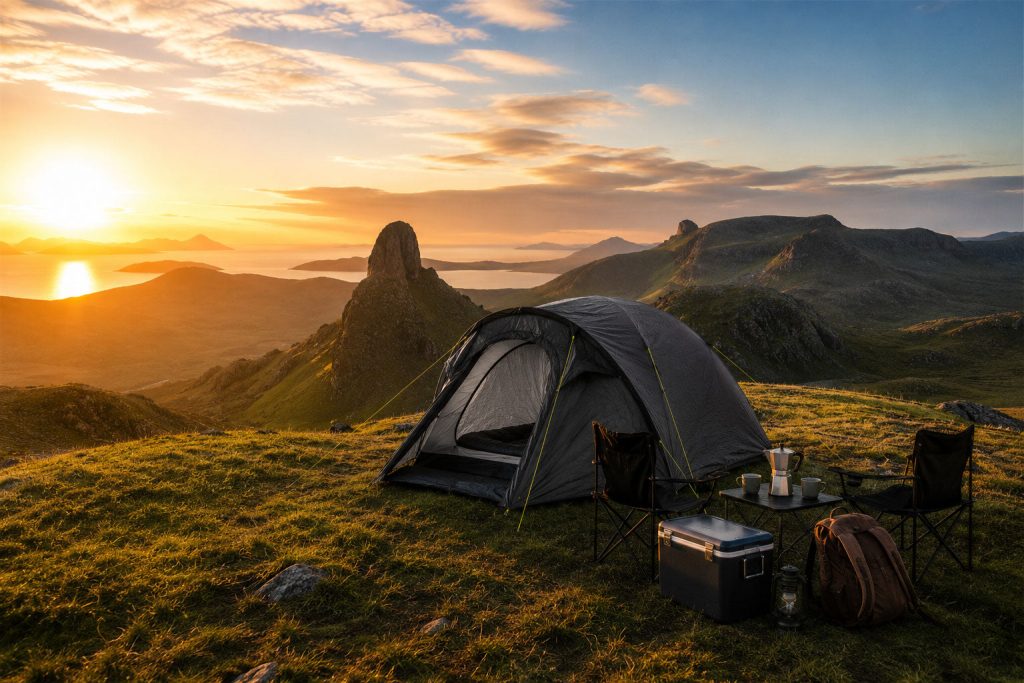
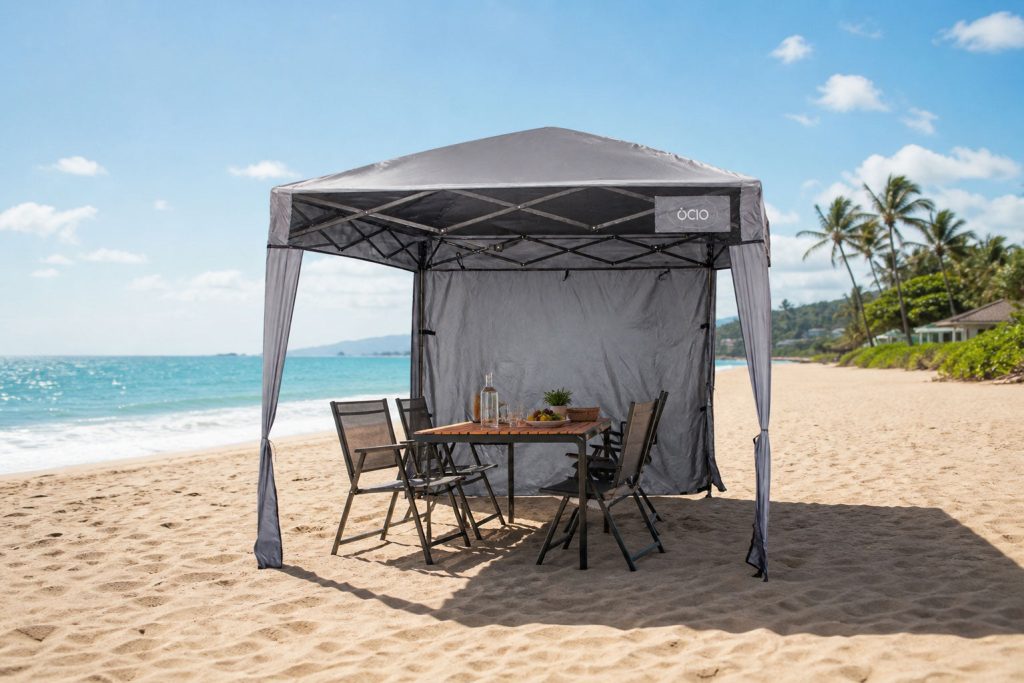
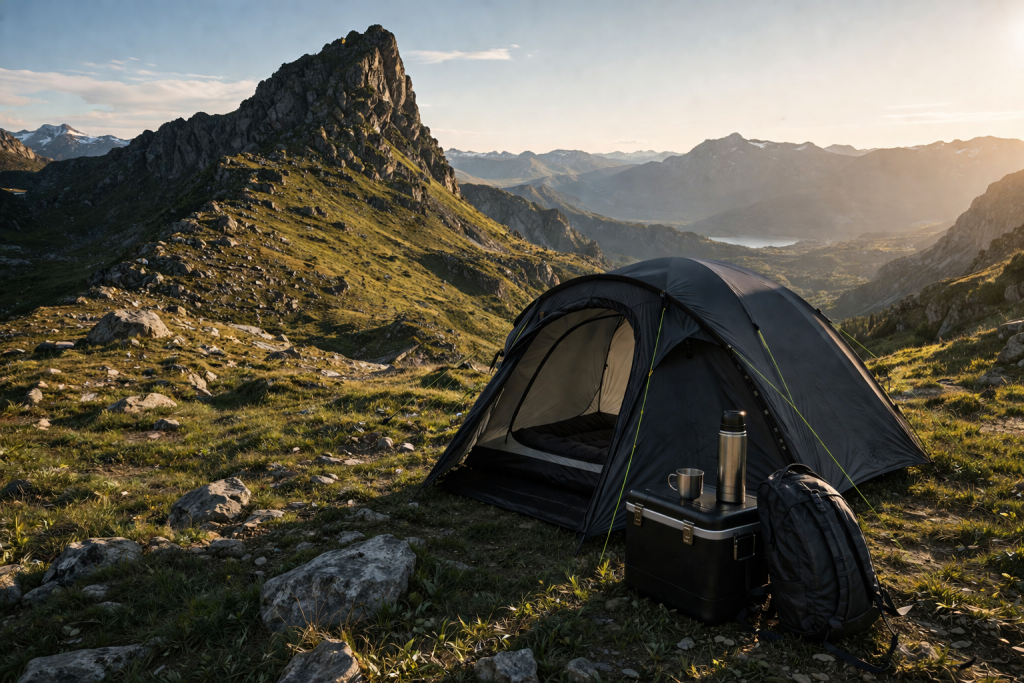
Your tent is the part most worth getting right, because a leaking tent or a broken pole can end a trip early. Size up rather than down, since a tent rated for four is comfortable for two or three once you add bags and boots. Our range of tents and shelters covers quick-pitch pop-ups and roomier family tents for longer stays.
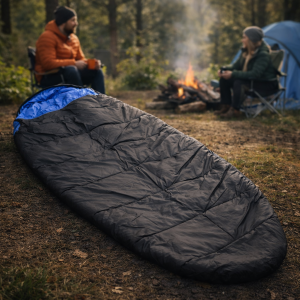
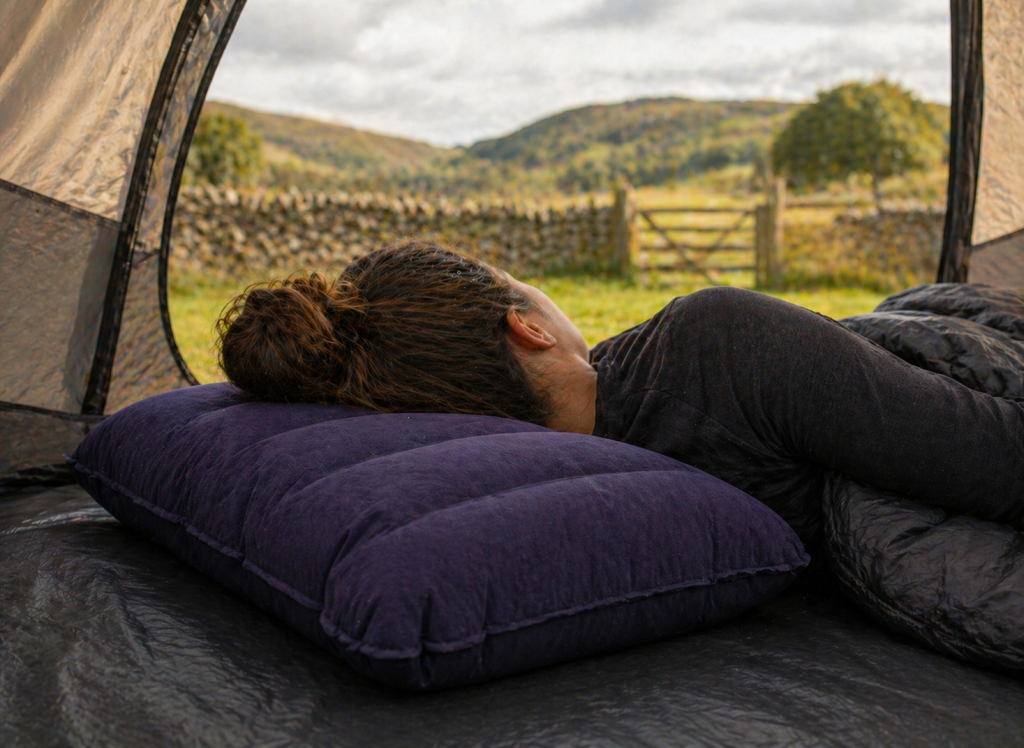
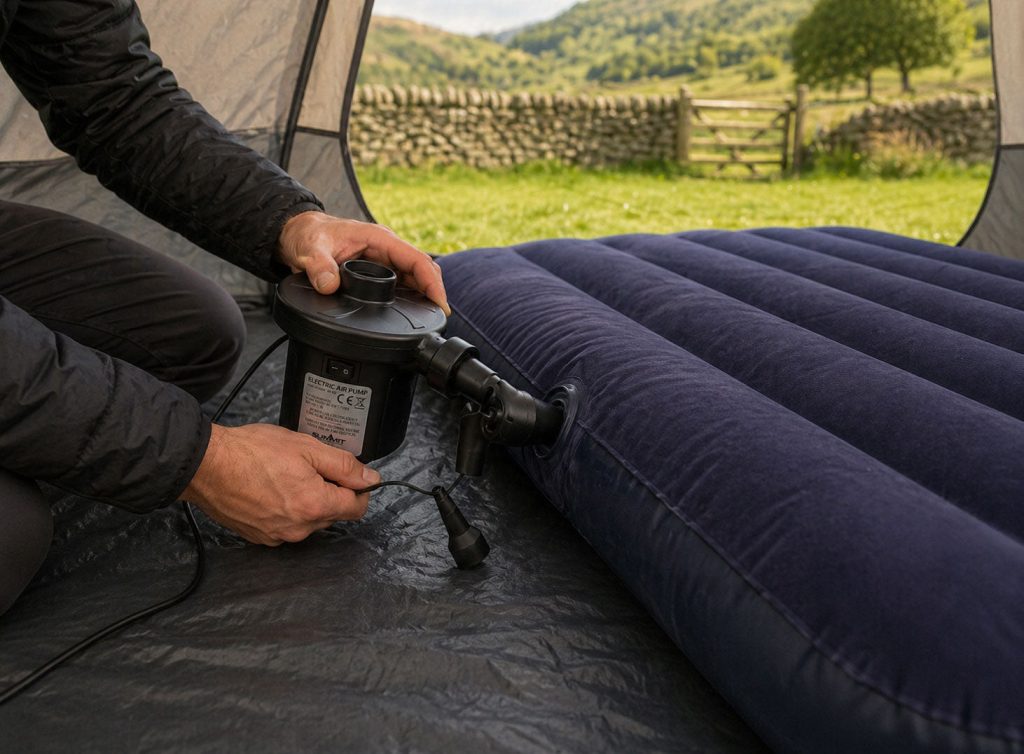
For sleeping, a sleeping bag rated for the season keeps you comfortable, and a mat underneath is what actually keeps you warm, because the ground draws heat away all night. A pillow helps, though a stuff sack packed with soft clothes does the job in a pinch.
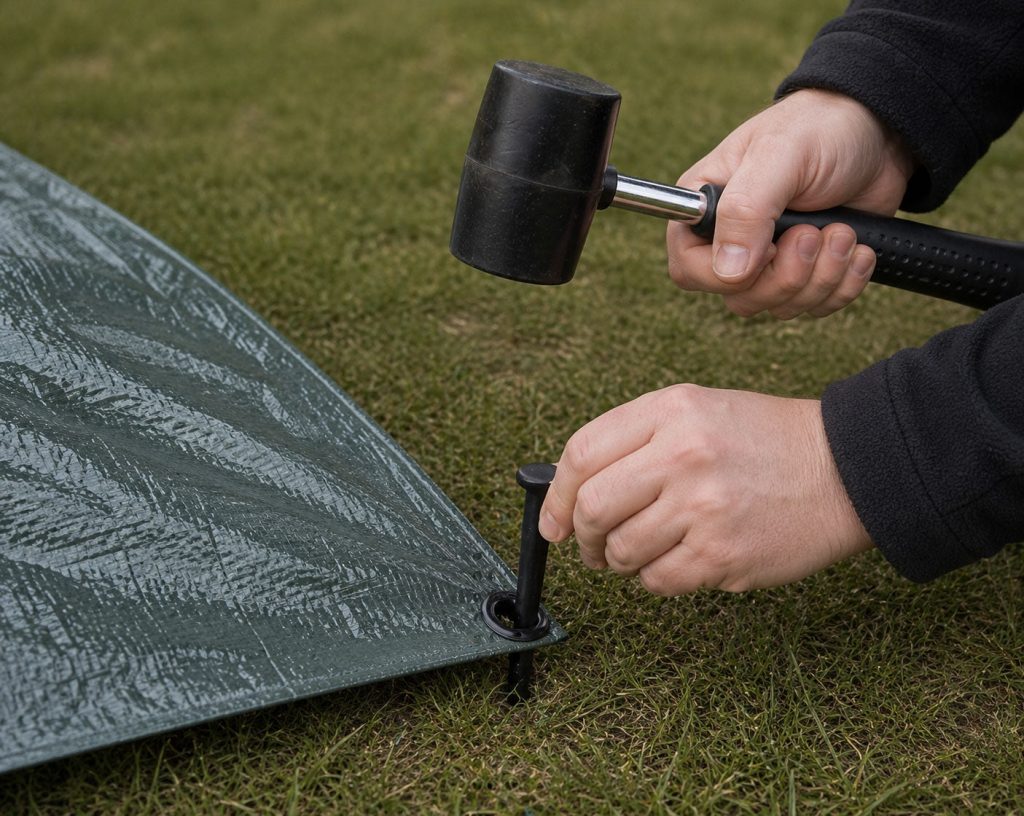
- Tent, with pegs, guy lines and a mallet
- Groundsheet or footprint
- Sleeping bag rated for the season
- Sleeping mat or airbed, plus a pump if it needs one
- Pillow, or a stuff sack to fill with clothes
- Spare pegs and a tent repair patch
Camp kitchen and food
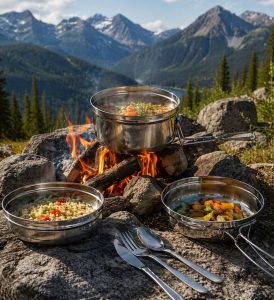
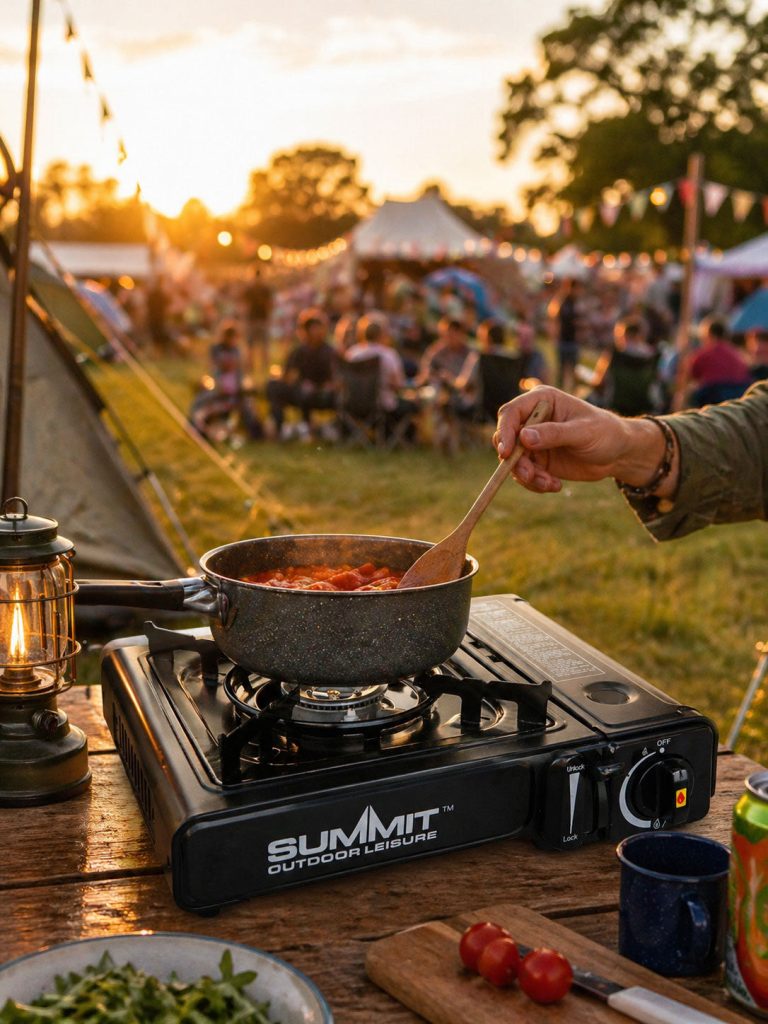
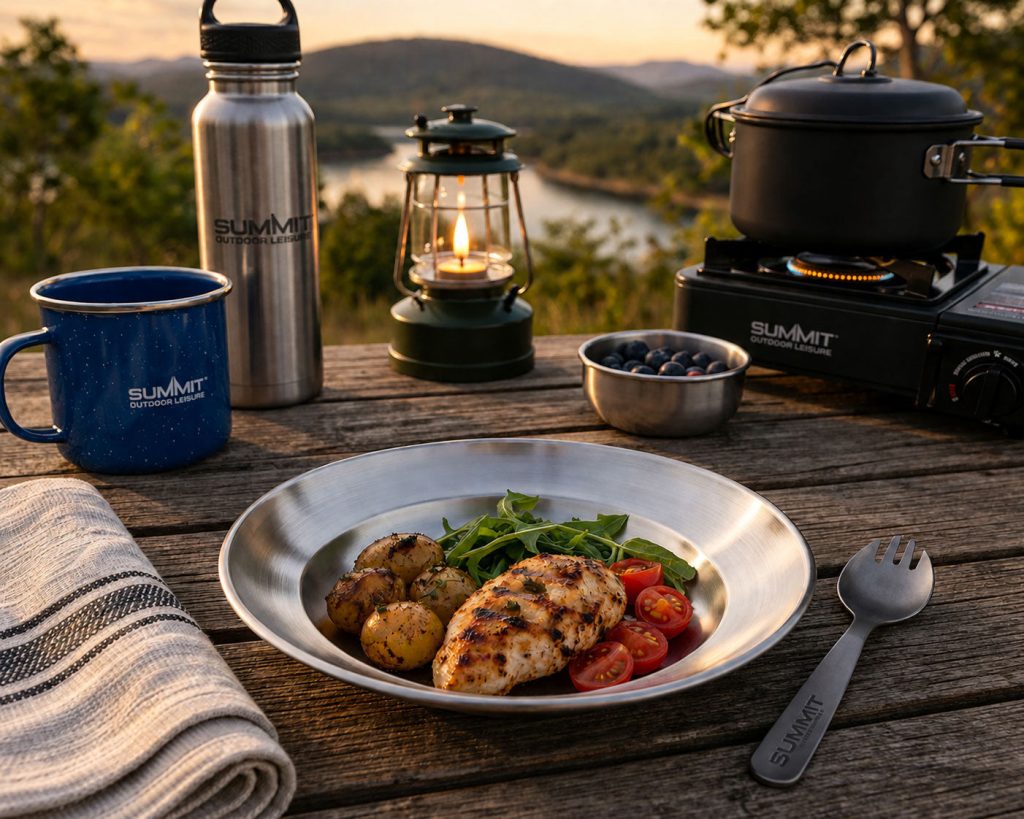
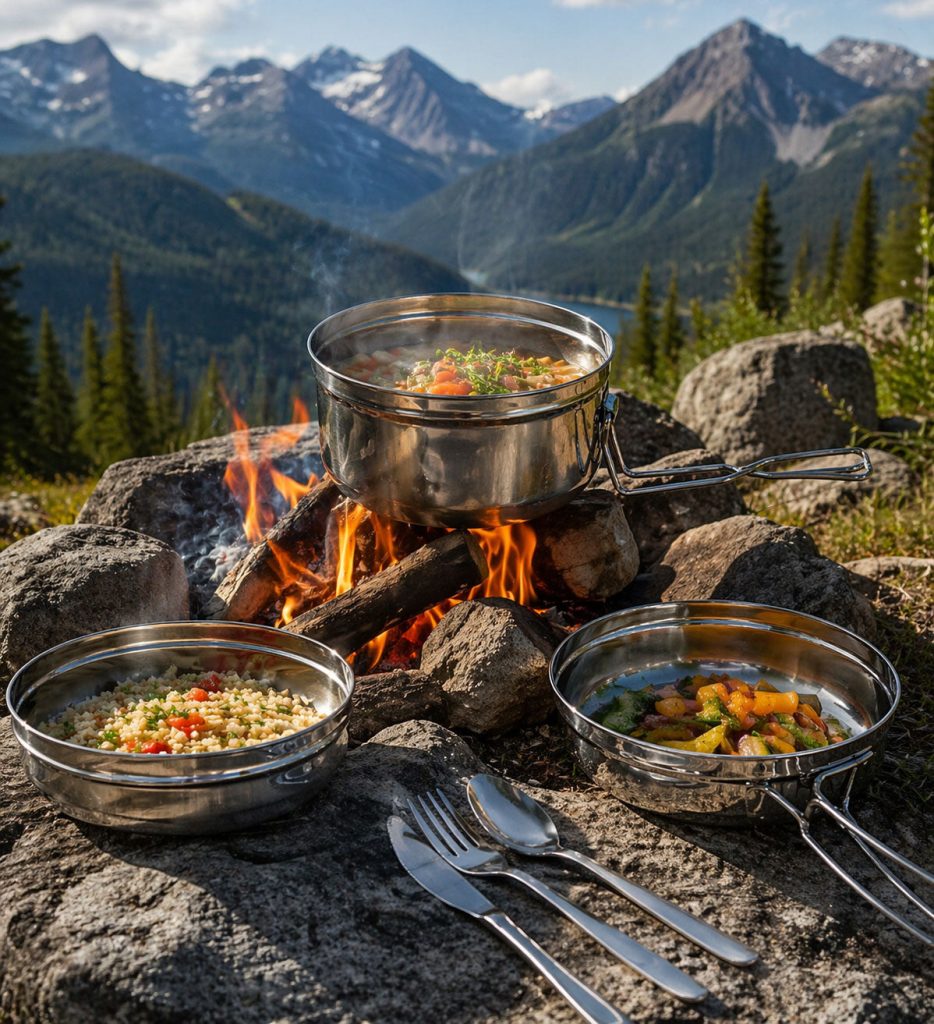
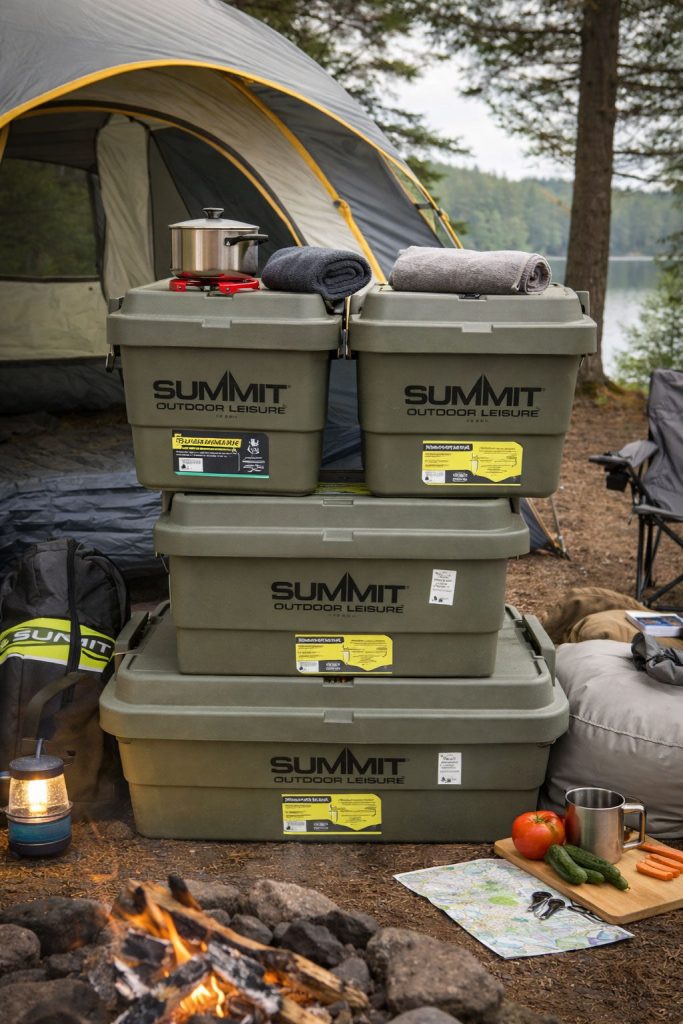
How much kitchen kit you need depends on how you like to cook. Boiling water for a brew and heating a tin needs very little, while proper meals need more. Either way, a stove, something to cook in and a way to keep food cold cover most of it. Freeze a few meals before you leave and they double as ice packs for the first day. Our camp kitchen range has stoves, cookware and the bits that make cooking outdoors easier.
- Camping stove and gas, plus a lighter or matches
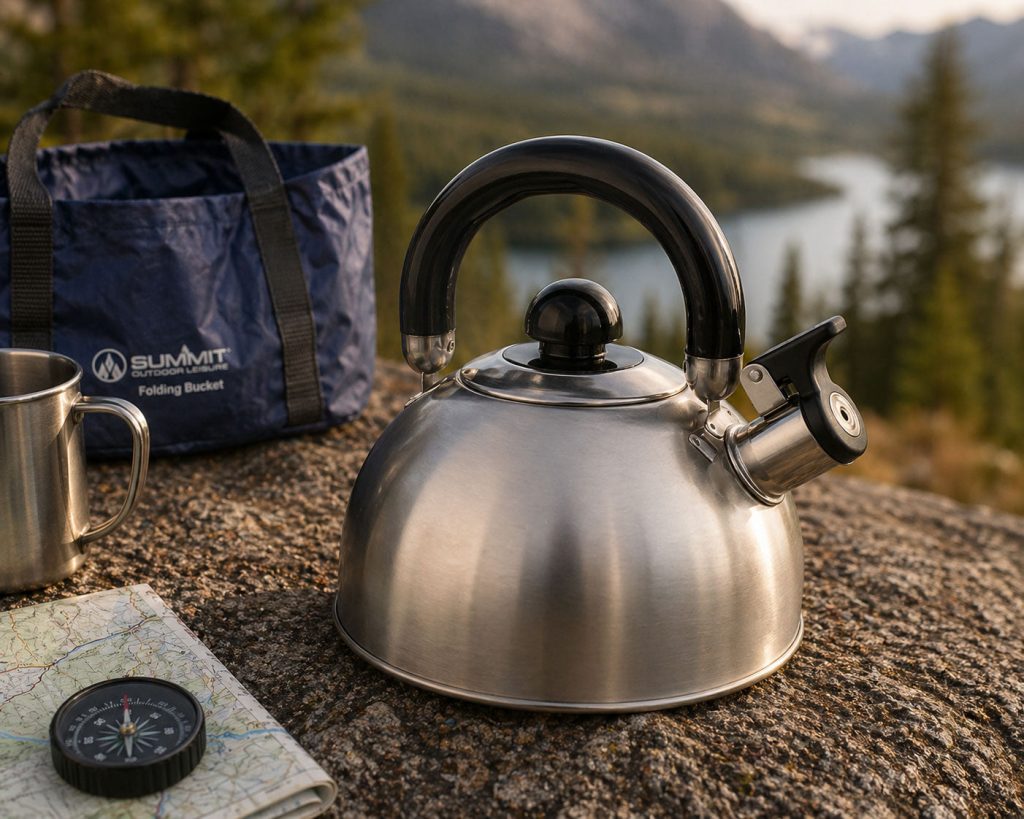
- Pans, a kettle and cooking utensils
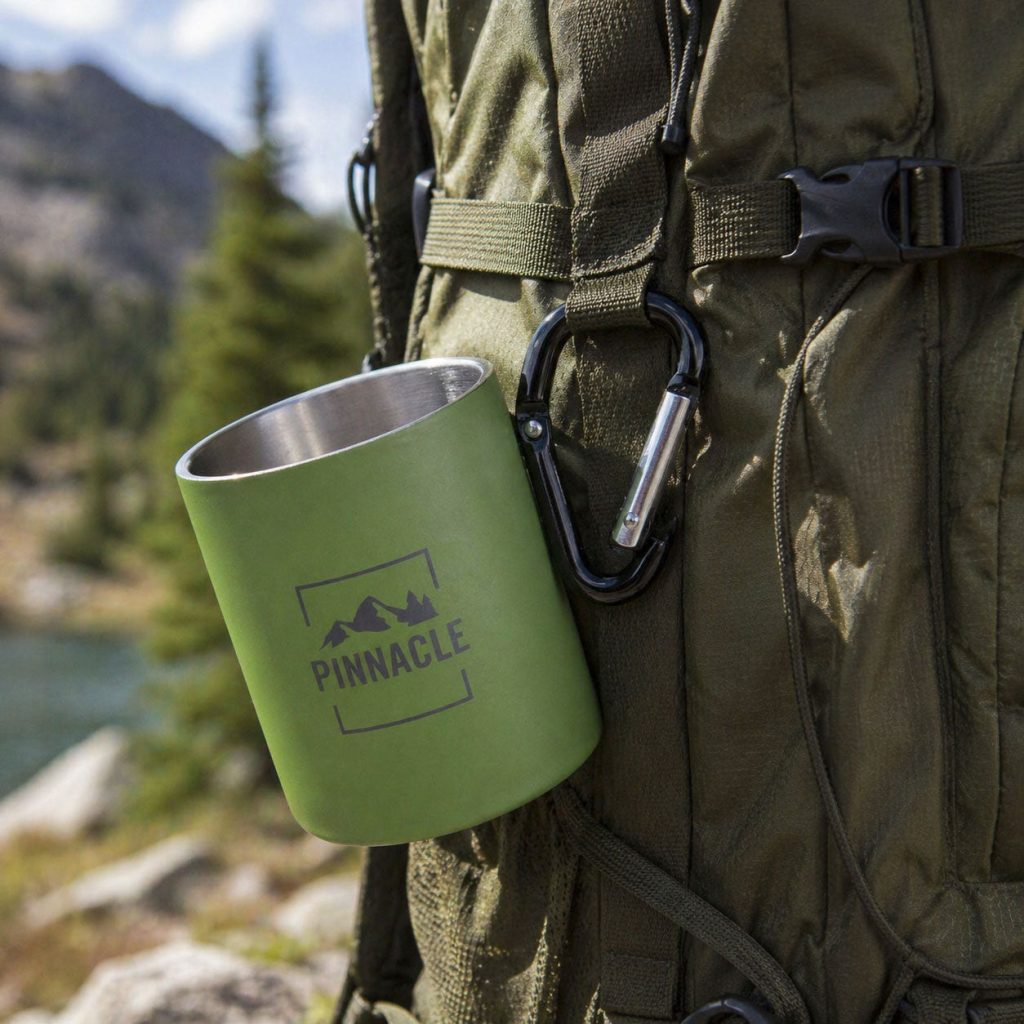
- Plates, bowls, mugs and cutlery
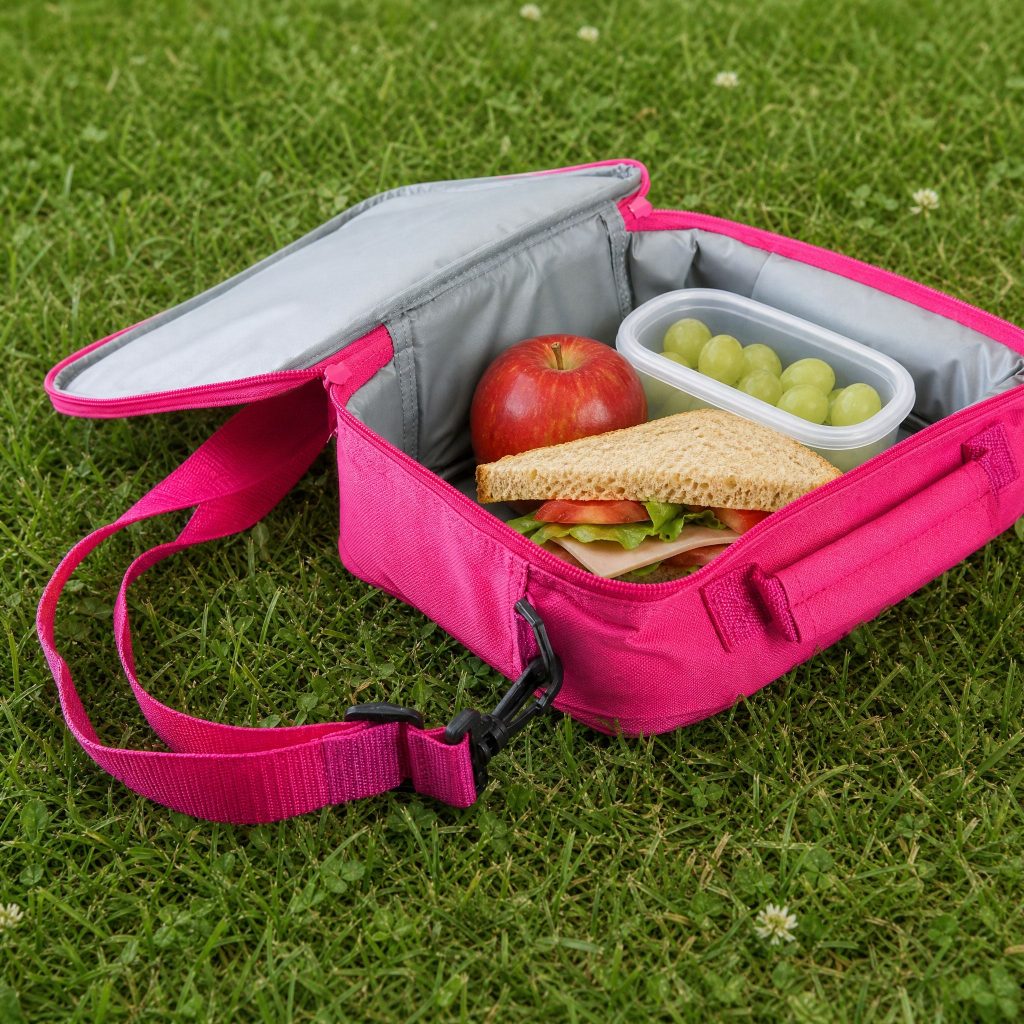
- Cool bag or cool box with ice packs
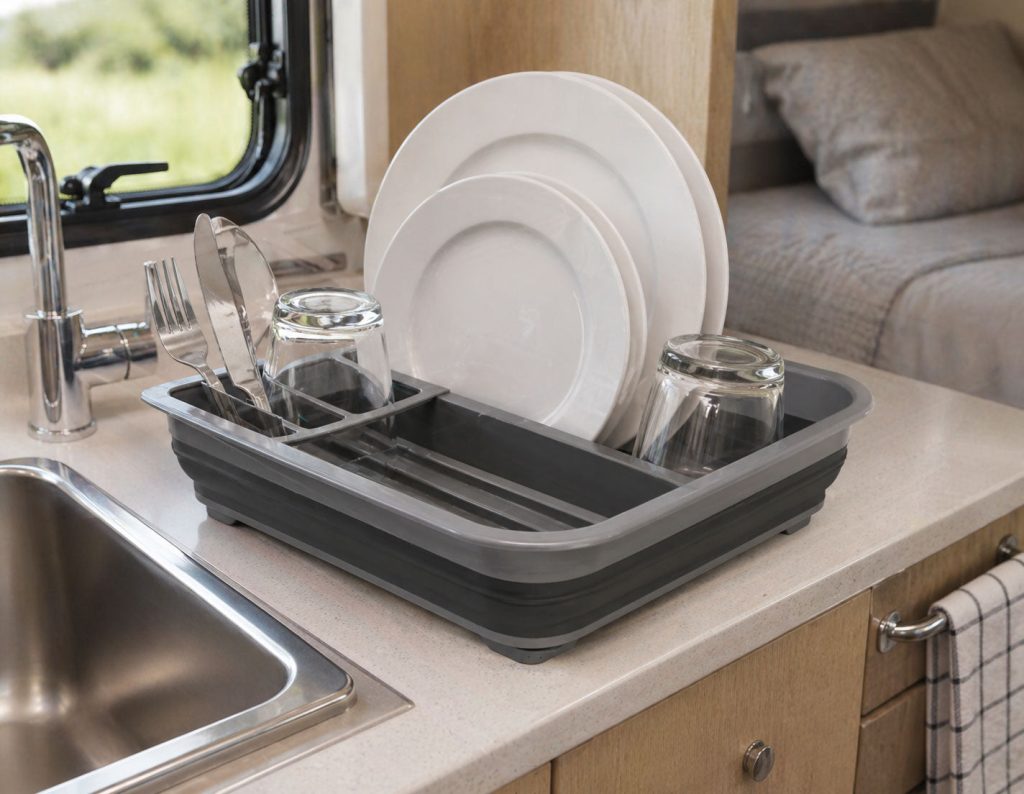
- Washing-up bowl, sponge and biodegradable soap
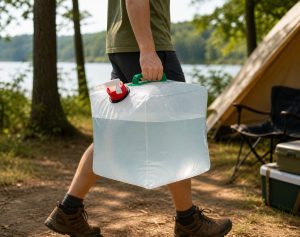
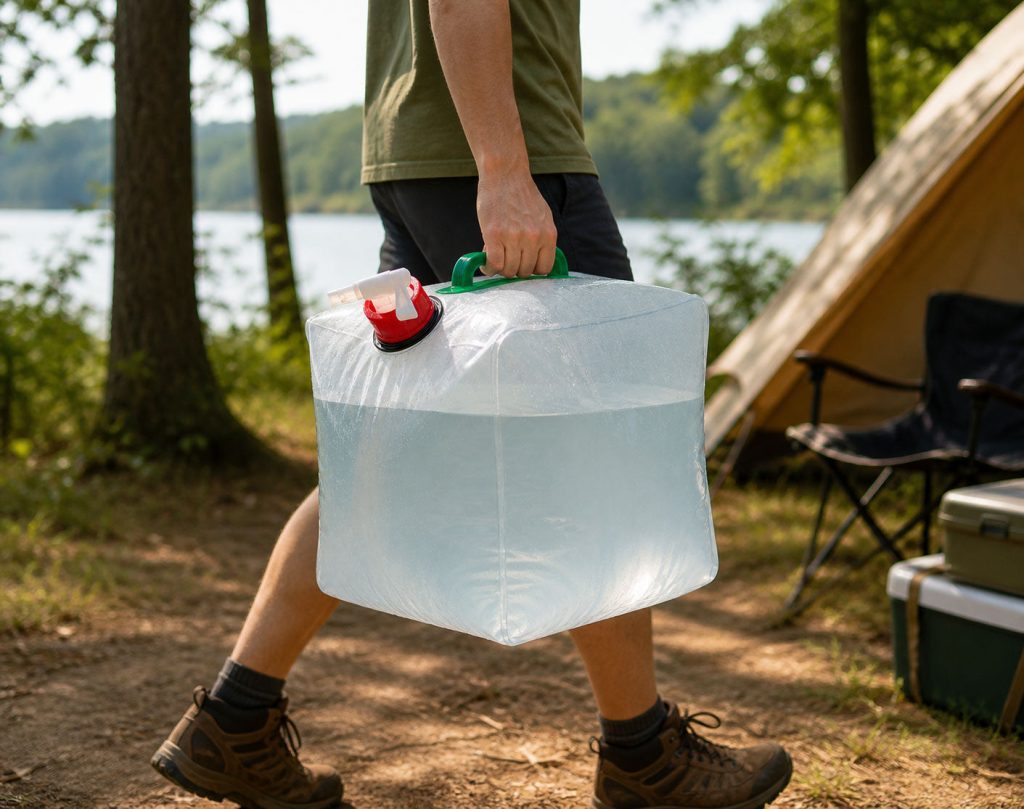
- Water carrier and a couple of refillable bottles
- Chopping board, a knife and a tin opener
- Bin bags and a few food storage tubs
Comfort, seating and light
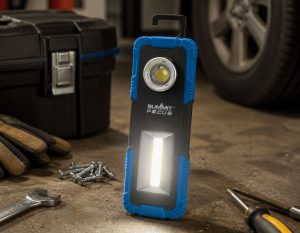
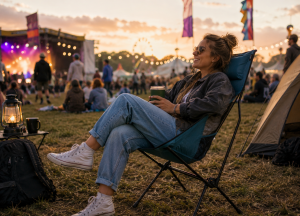
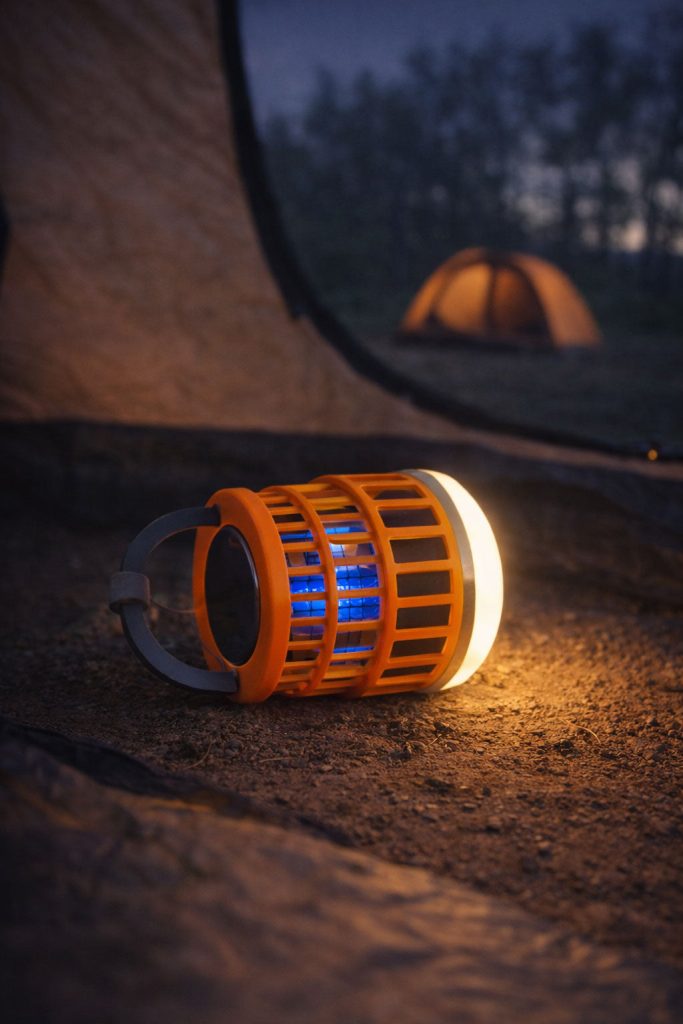
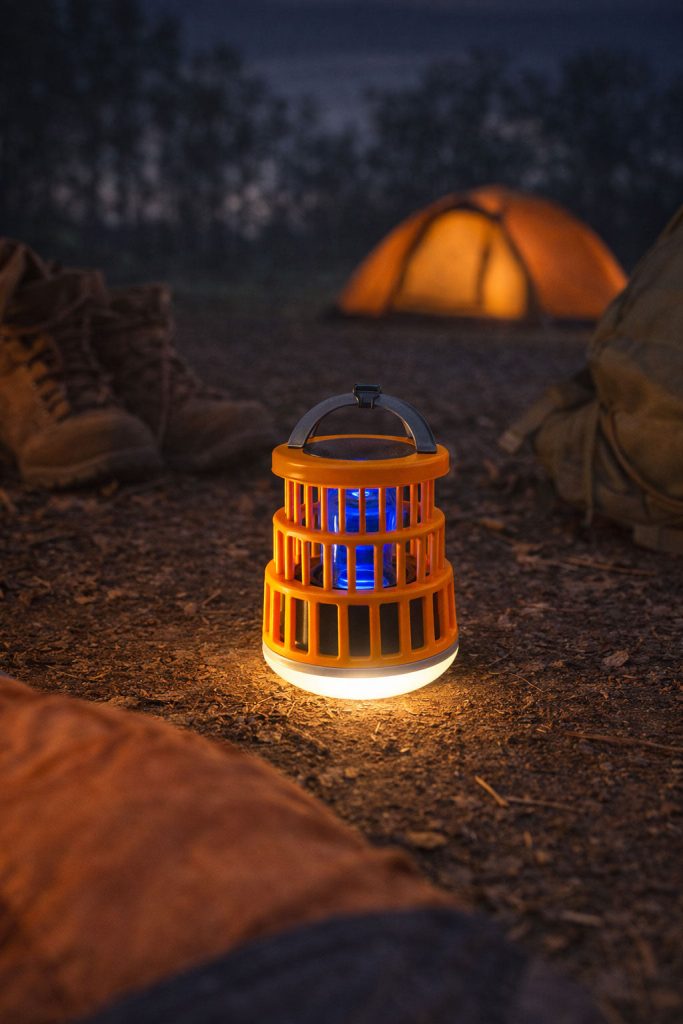
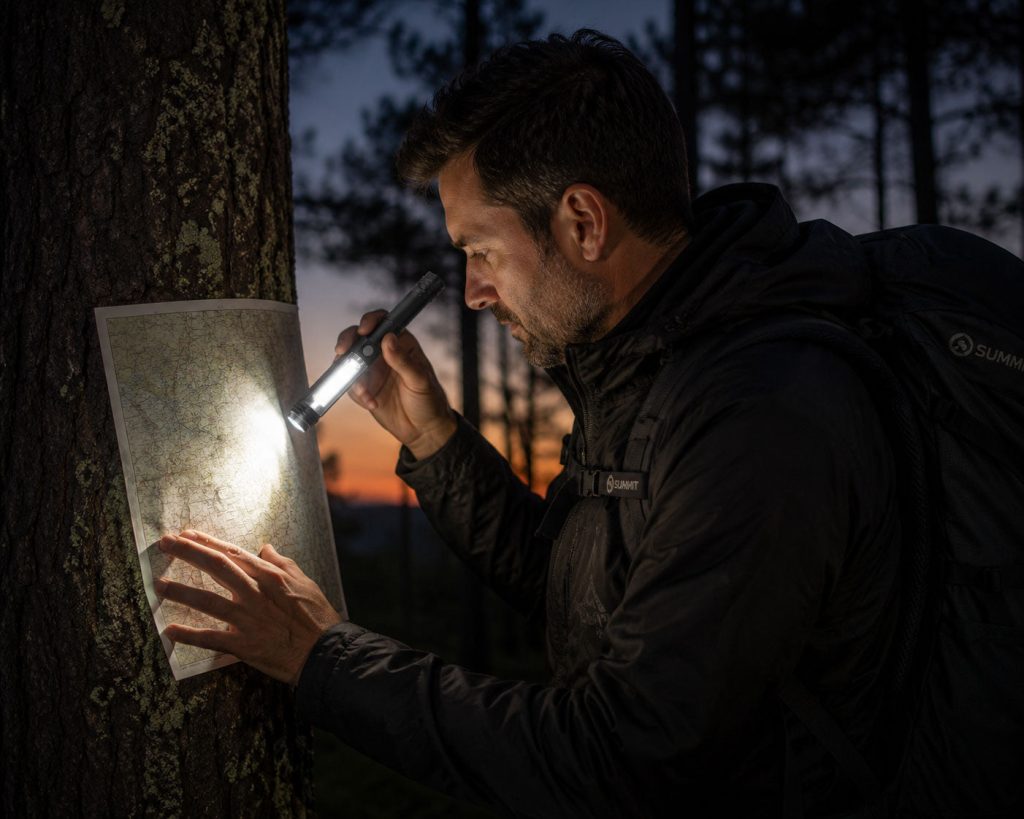
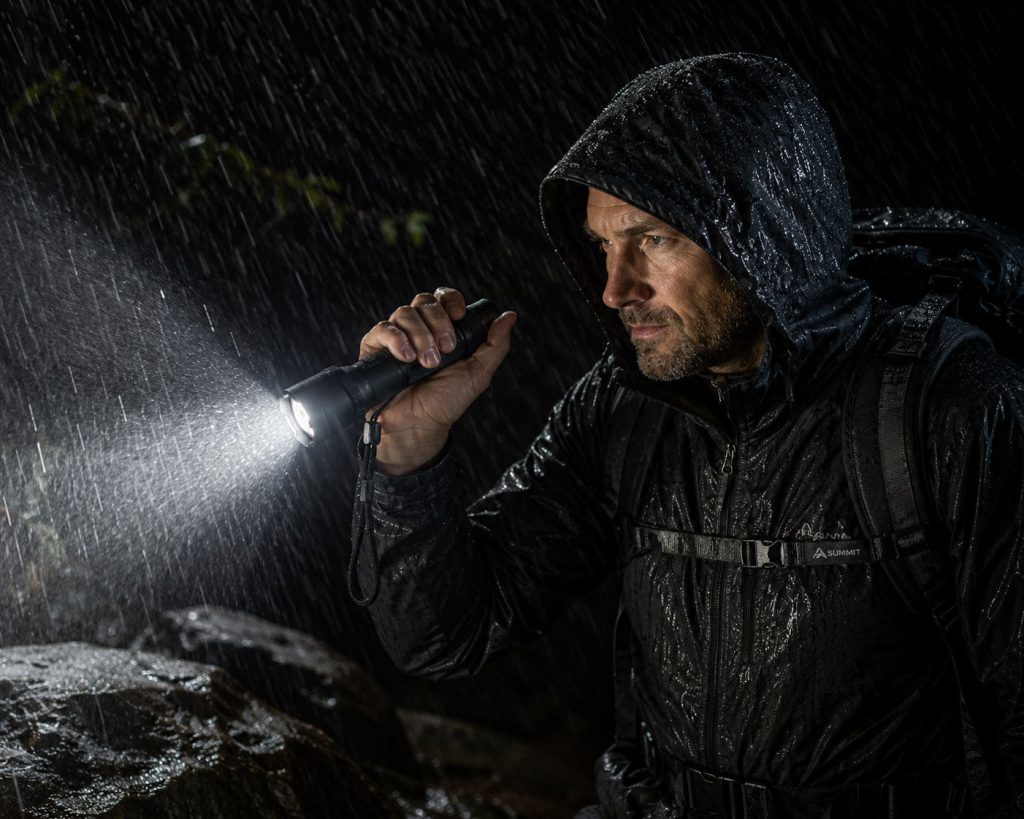
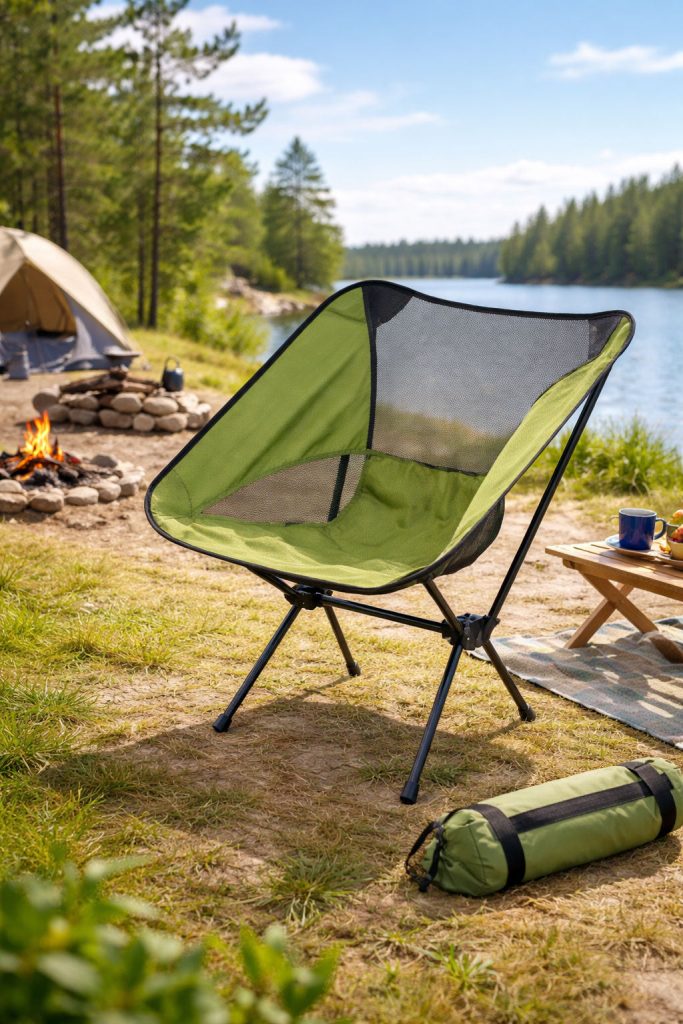
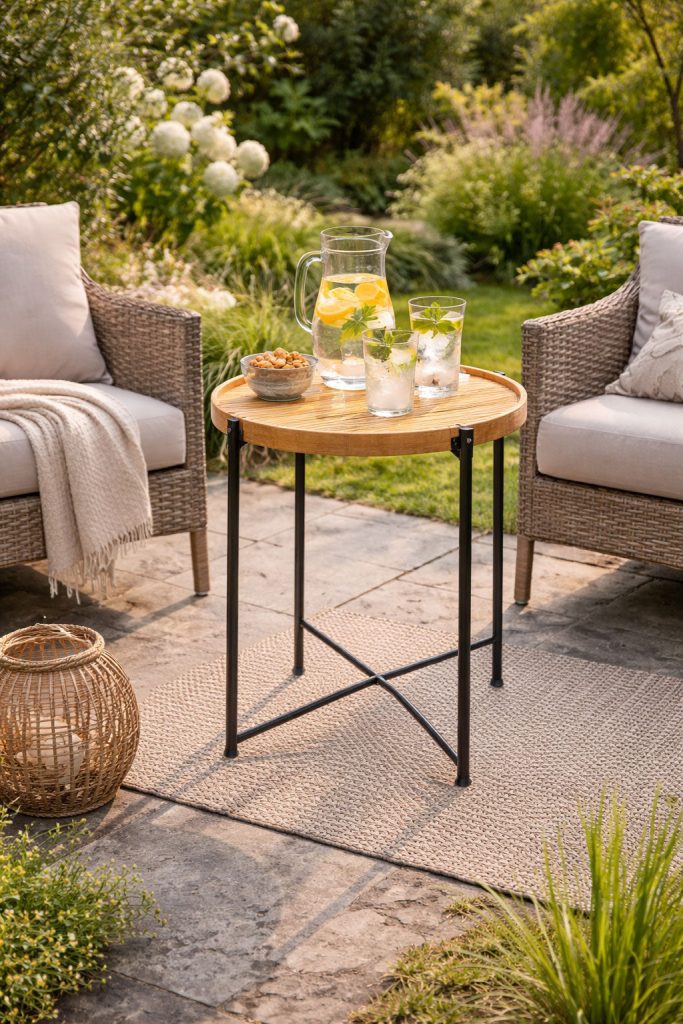
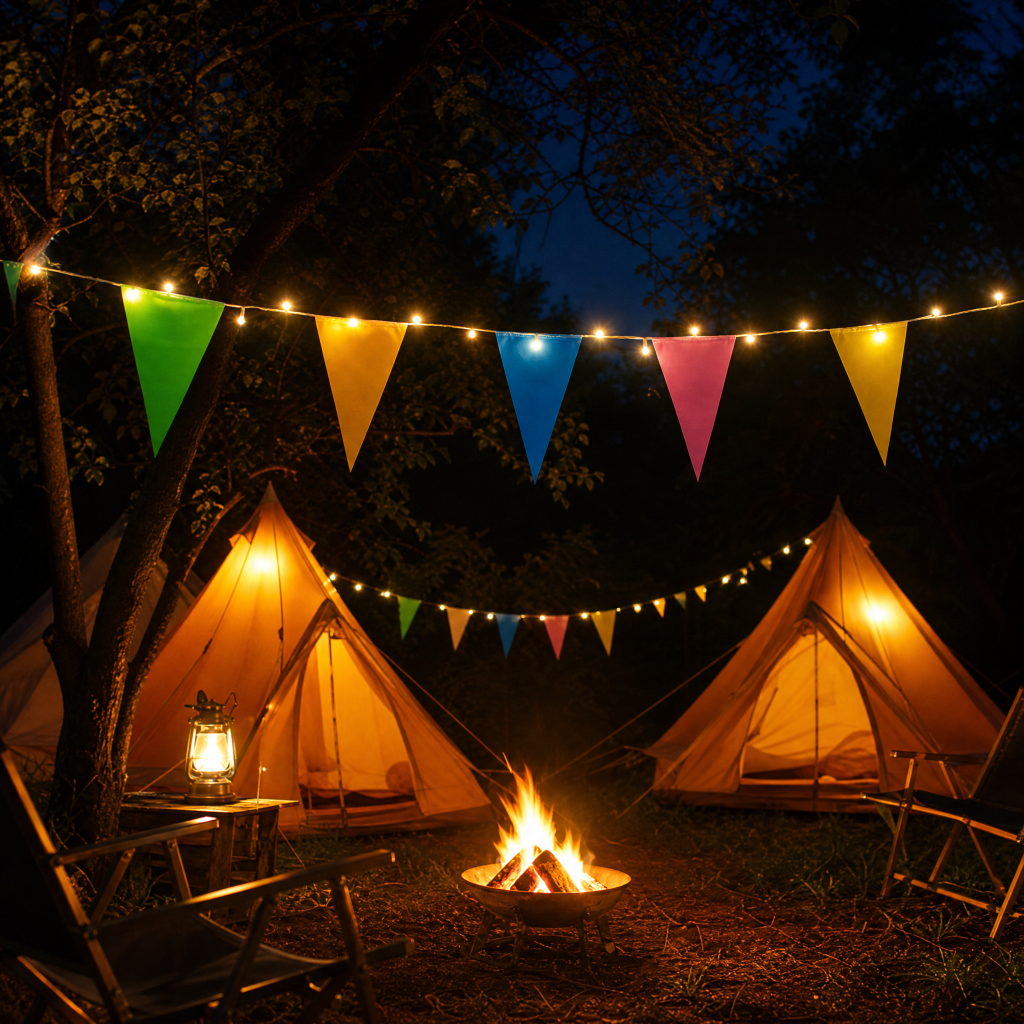
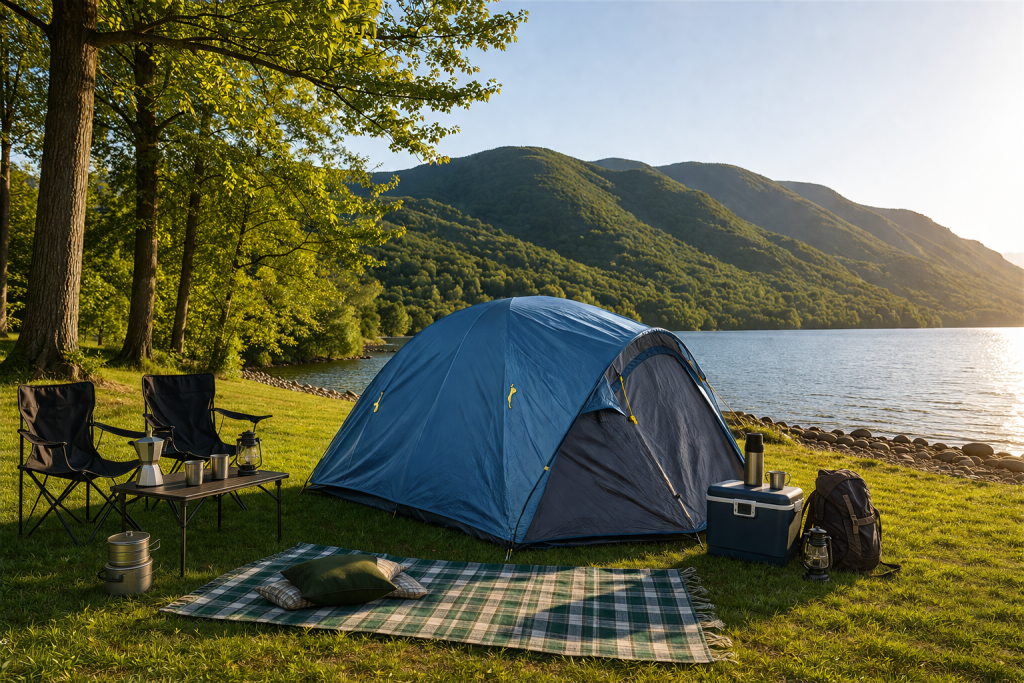
This is the kit that turns a campsite into somewhere you actually want to spend the evening. A place to sit matters more than people expect, so pack a folding chair each and a table if you have the room, and our camping furniture folds flat to travel easily. For after dark, a head torch each and a lantern from our camping lights range mean you can cook, find things and get around the site.
- A folding chair for each person
- A camping table
- Head torch each, with spare batteries
- Lantern or string lights for the tent
- Power bank and charging cables
- A blanket or two for cooler evenings
Clothing and personal kit
Pack for the weather you might get, not the weather you’re hoping for, which in the UK means layers and waterproofs whatever the forecast says. A warm layer for the evenings and a change of clothes for each day covers most trips. Keep toiletries, any medication and a small first aid kit together in one bag so they’re easy to find.
- Waterproof jacket and warm layers
- A change of clothes for each day
- Wellies or waterproof boots, plus trainers
- Hat, gloves and sun cream, often in the same weekend
- Toiletries, a towel and any medication
- Small first aid kit and insect repellent
The extras people always forget
These are the small things that never make the main list but save the trip once you’re there. A dead head torch battery, no bin bags, or nothing to open a tin with are the usual culprits. Keep a small box of these permanently packed and you’ll never start a trip from scratch.
- Mallet and a few spare tent pegs
- Duct tape and a basic repair kit
- Spare batteries and a phone charger
- Bin bags and resealable bags
- A pack of cards or a compact game
- After-sun, plasters and painkillers
- An old towel or mat for the tent doorway
Tick the list off in one place
Sourcing a full kit list is easier from one supplier than from five. Summit has been in camping for over twenty years, supplying the shops you’d normally buy from since 2002, and now sells direct as well, so you can cover most of this list in a single order at a fair price.
Good value isn’t about buying the cheapest of everything. The gear worth having is the gear that keeps coming back out season after season, which is why we’d rather price things fairly and earn the repeat trip than sell you something you’ll replace by next summer.
Work through the list, see what you’re missing, and fill the gaps in one go. Browse the full camping range to get set up before your next trip.
Frequently Asked Questions
A camping checklist should cover shelter (tent, pegs, groundsheet), sleeping (bag, mat, pillow), a camp kitchen (stove, cookware, cool bag), lighting, weather-appropriate clothing, and toiletries with a first aid kit. Group it by category so nothing important slips through.
For a first trip, focus on the essentials: a tent, a warm sleeping bag and mat, a way to cook and keep food cold, lighting, and clothes for changeable weather. Borrow what you can and start simple, then add comfort items like a chair and table once you know how often you’ll go.
Food that needs little prep travels best, such as tinned meals, pasta, eggs, bacon, bread and snacks like fruit and cereal bars. Freeze a few meals before you leave, as they keep the cool bag cold and defrost in time to cook over the first day or two.
The most commonly forgotten items are a mallet for pegs, spare torch batteries, bin bags, a tin opener and something comfortable to sit on. Keeping a small box of these permanently packed means they are never left behind.