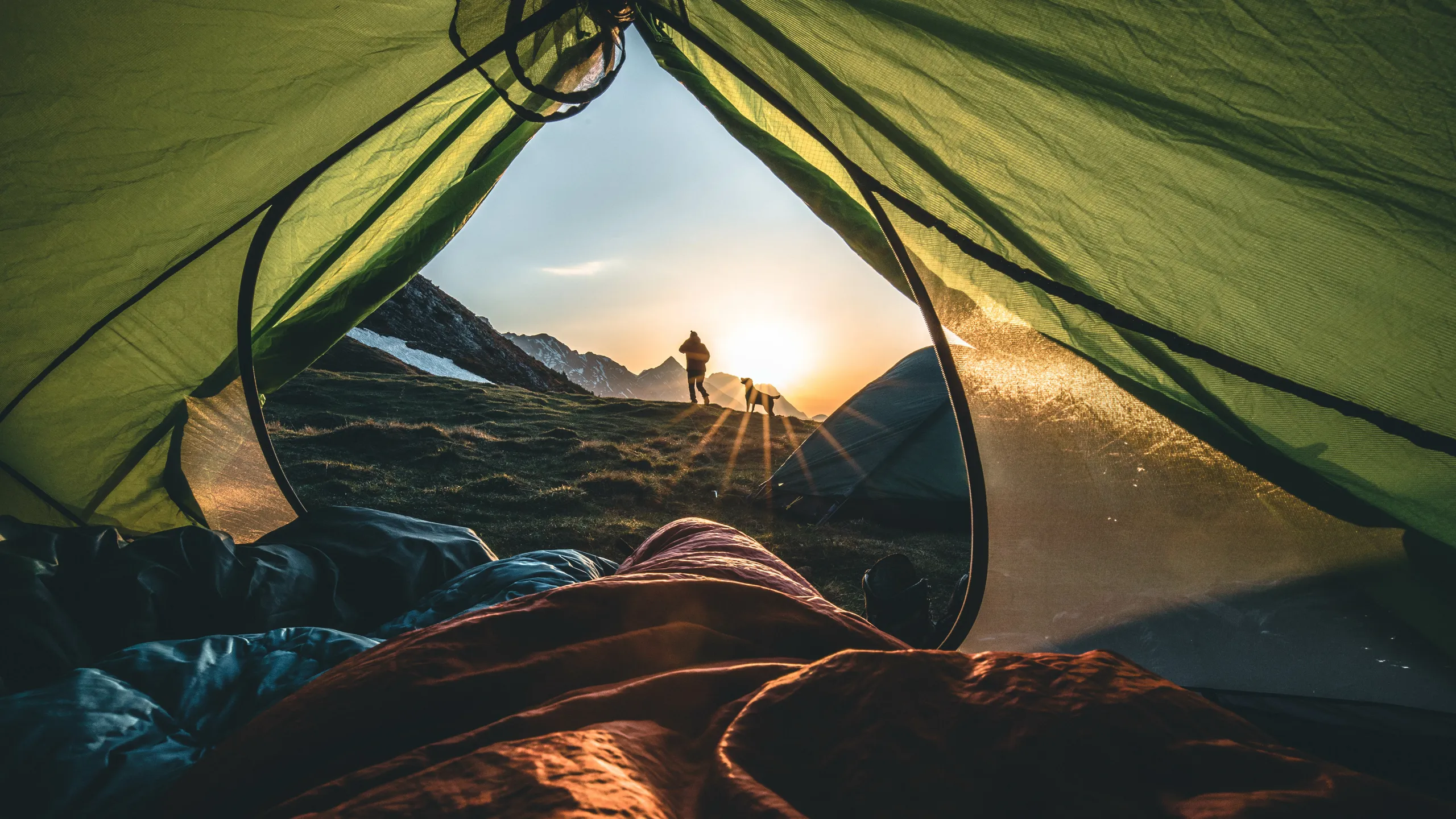



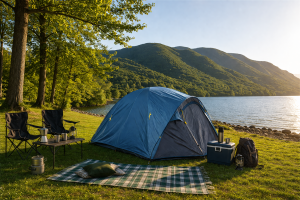





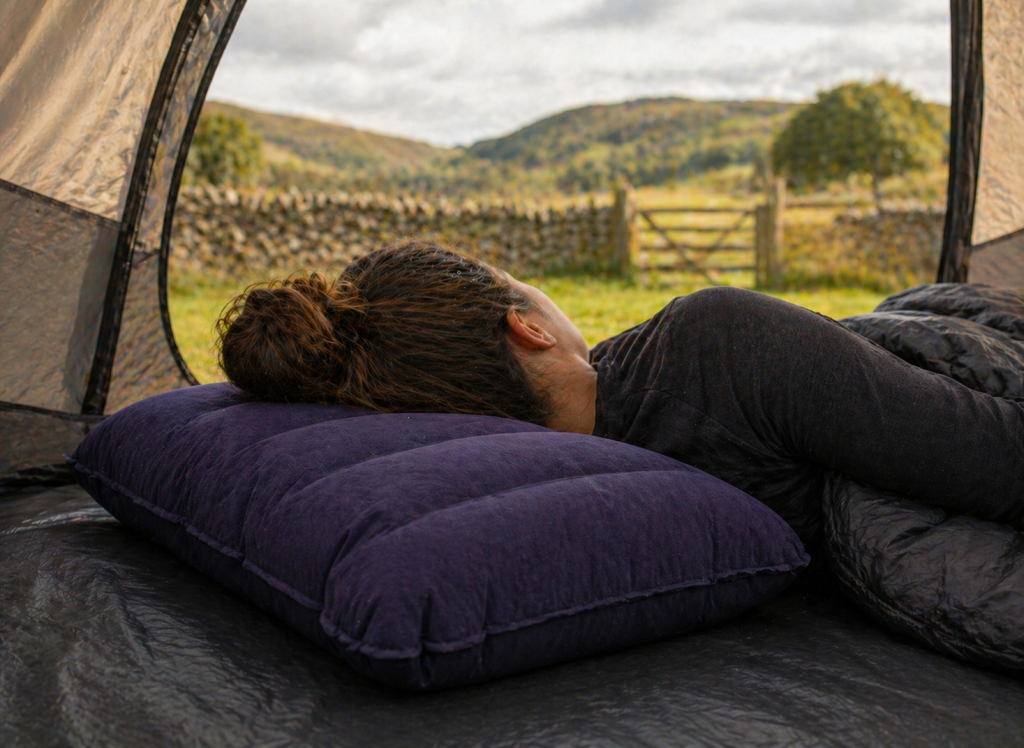
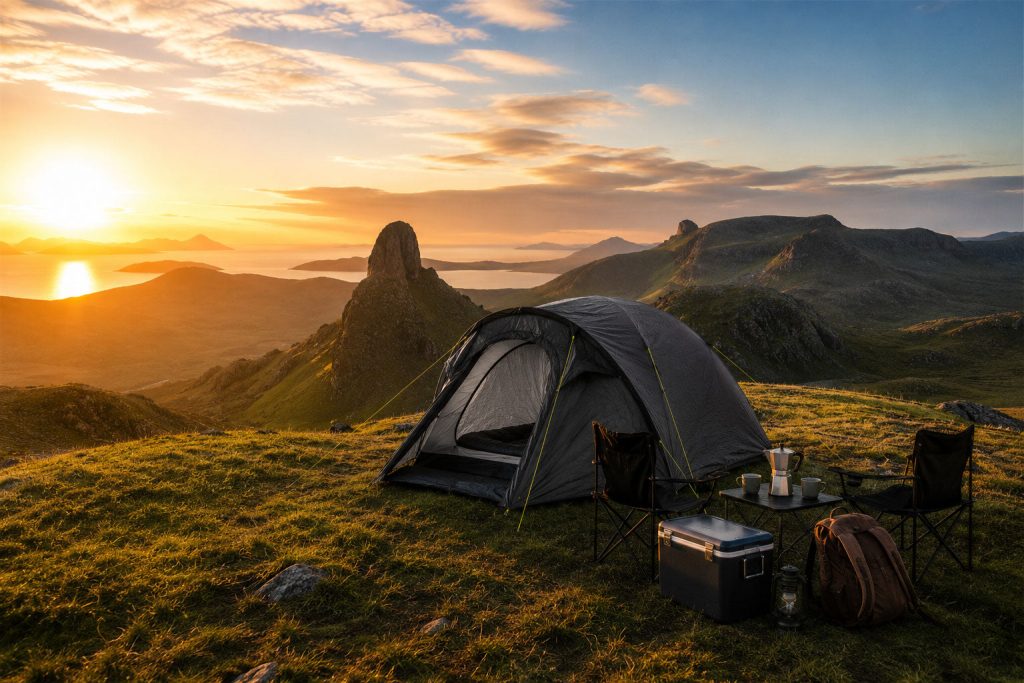
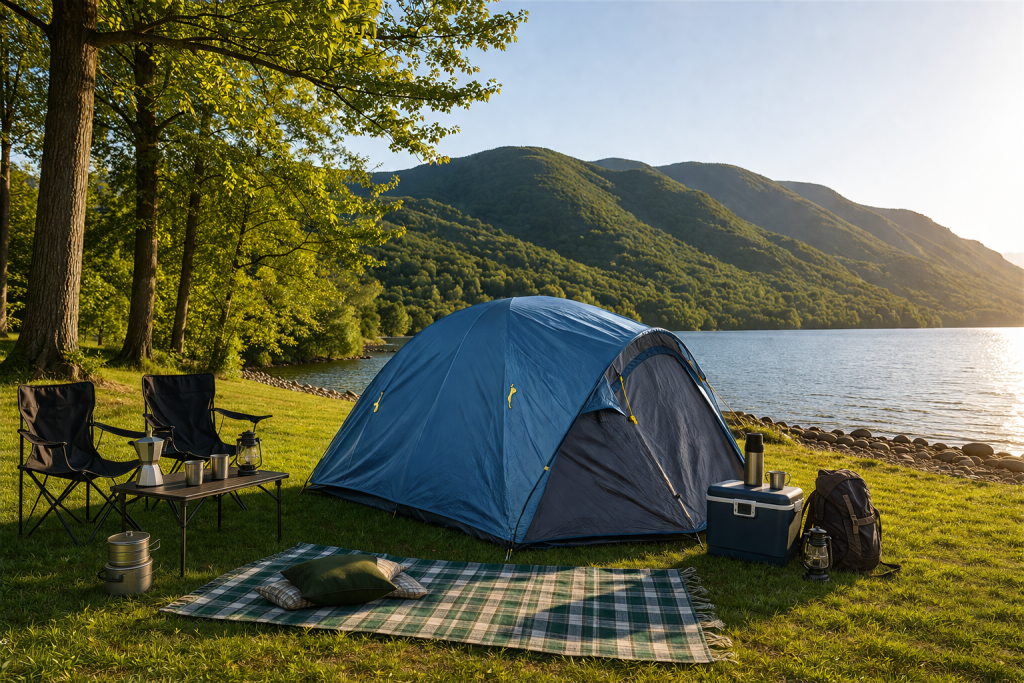


There’s a particular kind of freedom in falling asleep under open sky, far from the nearest car park, with no one to tell you which pitch is yours. Wild camping, pitching a tent on unenclosed land without formal permission, is one of the most elemental outdoor experiences available in this country. It’s also one of the most misunderstood.
The legal picture varies dramatically depending on which part of the UK you’re standing in, and the gap between what’s technically lawful and what’s practically acceptable is surprisingly wide.
The legal picture by nation
Scotland is the only part of the UK where wild camping is a genuine legal right. The Land Reform (Scotland) Act 2003 gives everyone access to most land and inland water, including the right to camp, as long as you behave responsibly under the Scottish Outdoor Access Code. Wales is a patchwork: some areas of the Brecon Beacons permit it, but there’s no blanket right, and you need to check land ownership and local byelaws before assuming you’re fine. England is the most restrictive of the three: wild camping is technically illegal almost everywhere without landowner permission, with one notable exception, Dartmoor National Park, which has its own statutory right under the Dartmoor Commons Act 1985.
Scotland: the good news
In practice, Scotland’s access framework means you can pitch almost anywhere on open, unenclosed land without asking anyone’s permission. The code requires that you leave no trace, avoid camping in enclosed fields of crops or farm animals, don’t light fires where they could cause damage, and move on after a few days rather than setting up a permanent base. It’s a right to be exercised with care, but it is unambiguously a right.
The main caveat is the seasonal management zones in the most popular areas. Loch Lomond and the Trossachs National Park operates a permit system between March and September within its management zone: permits are free but must be booked in advance through the park’s website. Parts of the Cairngorms have similar arrangements. Outside these zones, you’re free to camp where you choose on suitable open land.
England: the Dartmoor exception
The 2023 Court of Appeal ruling that briefly threatened to end wild camping on Dartmoor, before being overturned, underlined just how precarious England’s position is. Dartmoor remains the only place in England with a statutory right to camp on open moorland, and even that was nearly lost. Everywhere else, the Countryside and Rights of Way Act 2000 grants access to open land for walking, but camping is explicitly excluded.
That said, large areas of national parks, Forestry England land, and some National Trust properties are sympathetically managed, and low-impact camping that leaves no trace is rarely, if ever, prosecuted. The sensible approach in England outside Dartmoor is to arrive late, leave early, camp well off footpaths, and leave the ground exactly as you found it. Better still, ask for landowner permission in advance, many farmers and landowners will say yes if you’re polite, responsible, and not arriving with a group of twenty.
What responsible wild camping actually looks like
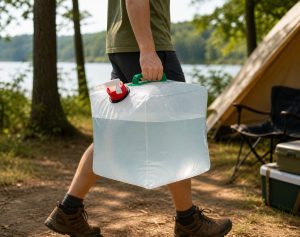
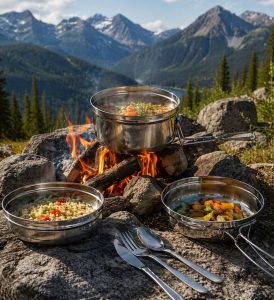
Whatever the local legal position, the principles are consistent. Camp on durable surfaces, grass, rock, bare earth, and avoid fragile vegetation and riverbanks. Don’t light open fires in dry conditions or on peaty ground; use a stove instead, and if you do have a fire, use a fire pan and never leave it unattended. Human waste should be buried around 15cm deep and at least 30 metres from any water source, and carry out everything else, including used toilet paper. Keep noise low, move on after one or two nights in the same spot, and stay clear of crops, livestock enclosures, and any land close to occupied buildings.
In Scotland, following these principles isn’t just good practice, it’s a legal requirement under the access code. Breach them and you lose the right.
Practical kit: less is more
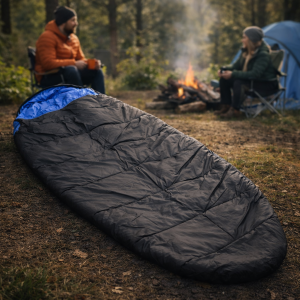
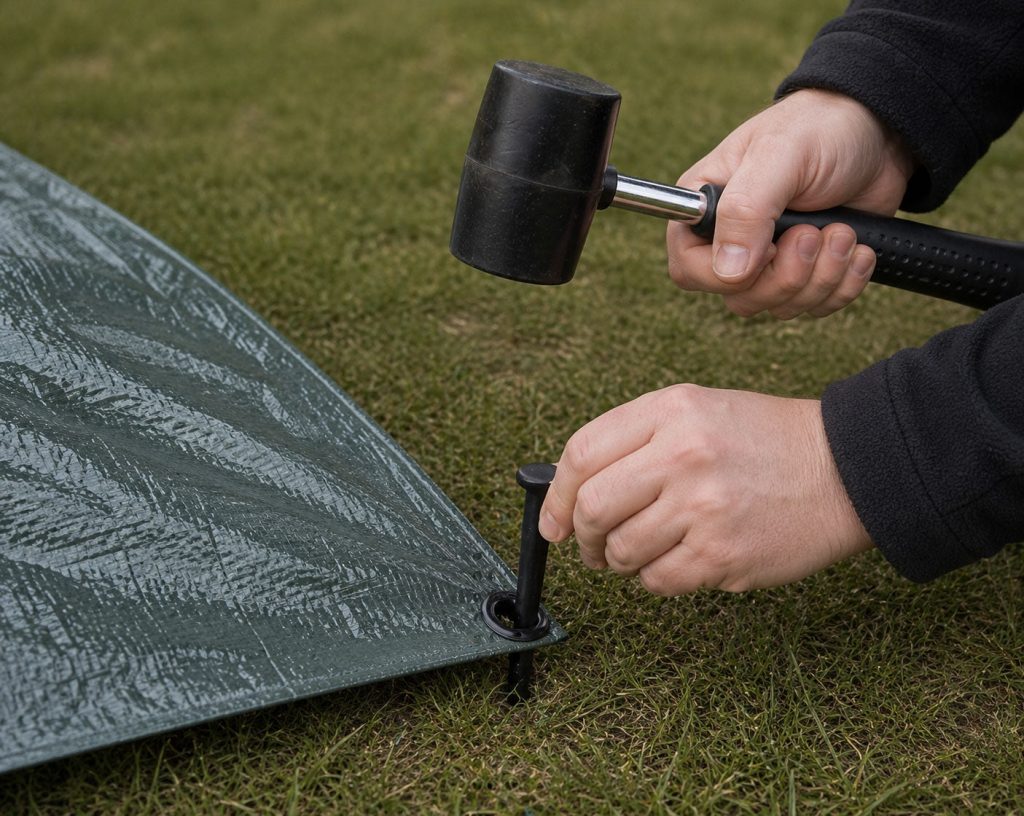
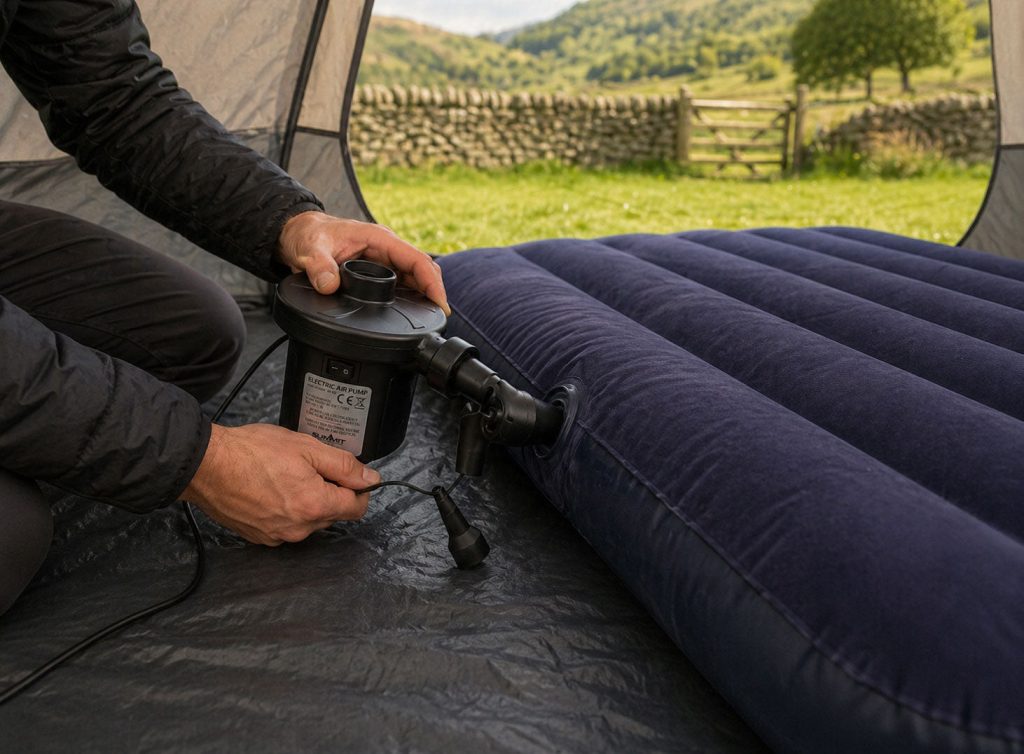
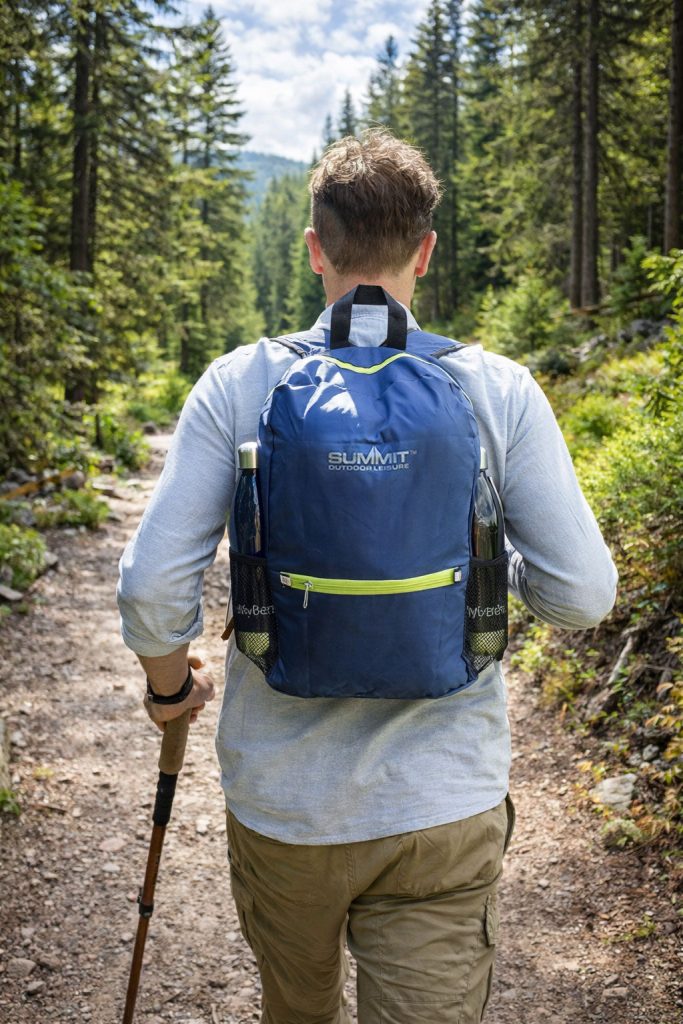
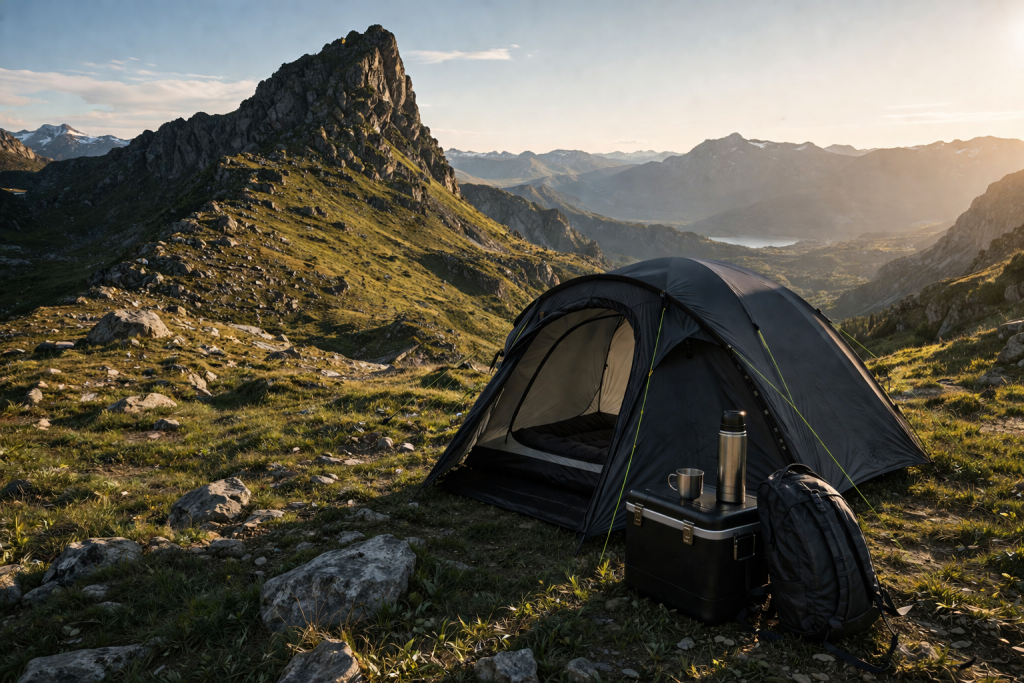
Wild camping rewards travelling light. A good three-season sleeping bag rated slightly below the temperatures you expect, a compact one-person tent or tarp shelter, and a decent sleeping mat make the difference between a good night and a miserable one. Keep your tent’s footprint small and its colour muted. A headtorch, a water filter, a basic first aid kit, and a paper map of the area are non-negotiable.
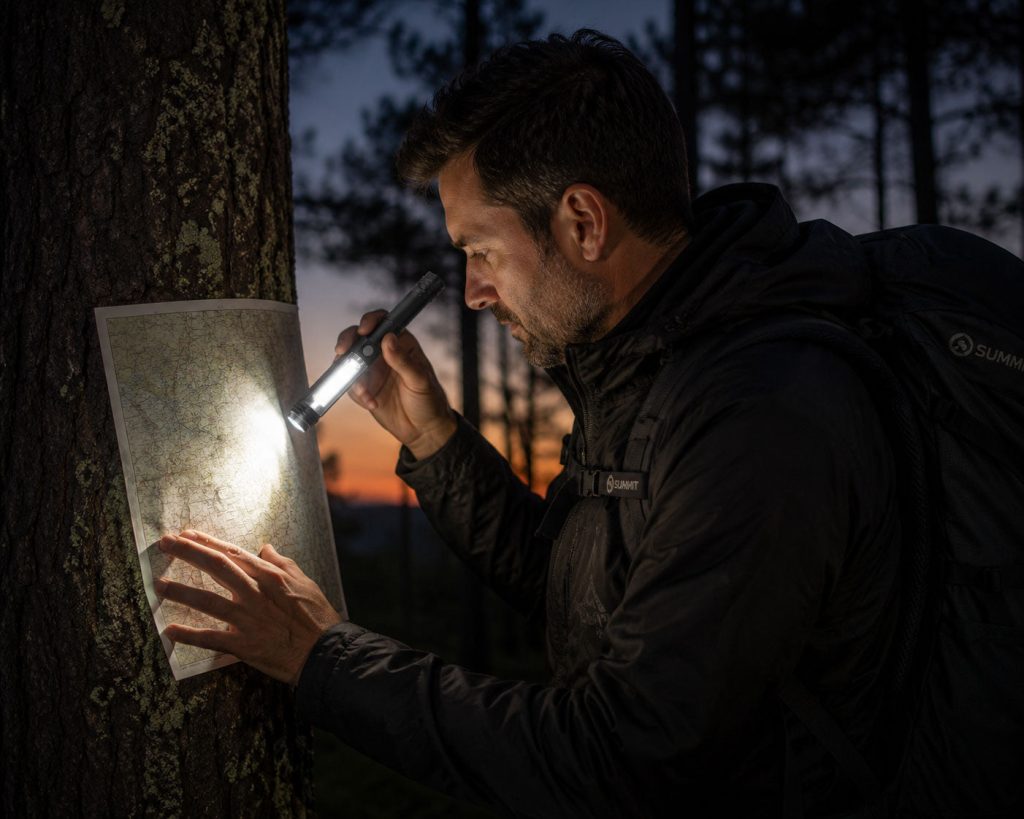
Navigation deserves more thought than most beginners give it. Mobile signal disappears reliably at exactly the moment you most need it. Download OS maps to your phone before you leave and know how to use a compass if the phone dies.
The bigger picture
The legal landscape in England and Wales is increasingly in focus. Access campaigners have argued for years that England’s restrictive framework, a legacy of centuries of land enclosure, is out of step with both public appetite and the growing evidence base around outdoor access and mental health. Reform gets discussed periodically but hasn’t materialised into legislation.
In the meantime, the honest answer is this: wild camping in Scotland is a right to be exercised proudly and responsibly. In England, it’s a tolerance to be earned, through care, invisibility, and genuine respect for the land. The experience, wherever you go, is worth the effort of getting it right.