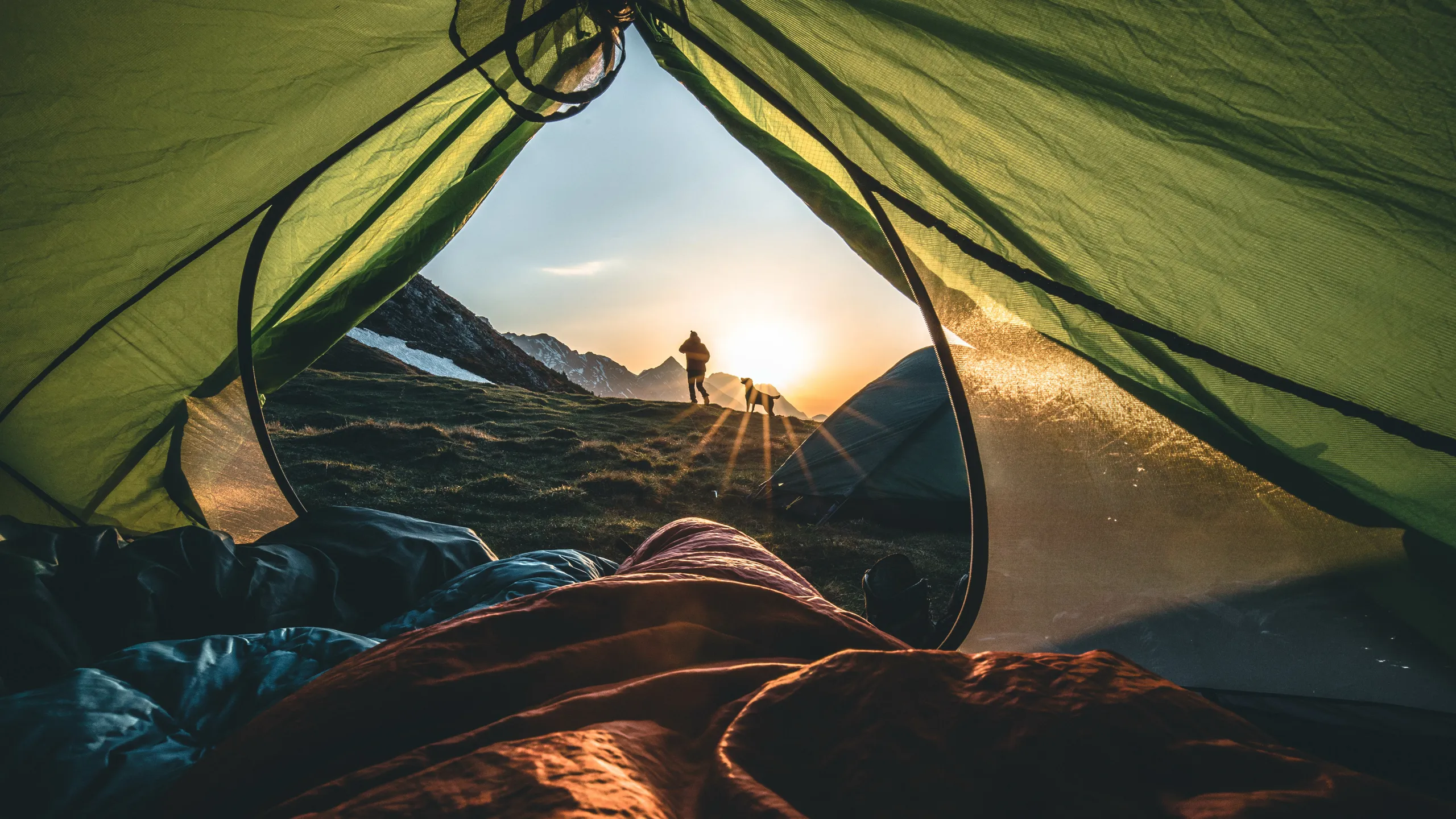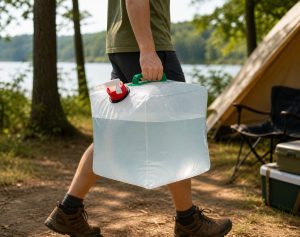
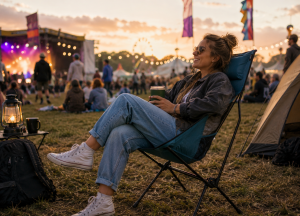
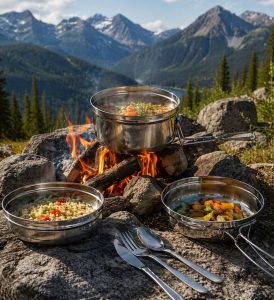
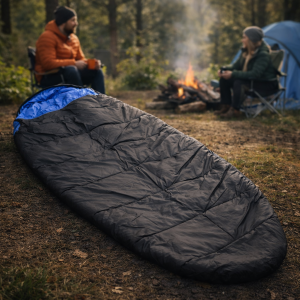
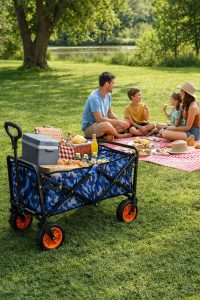

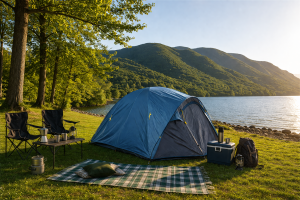


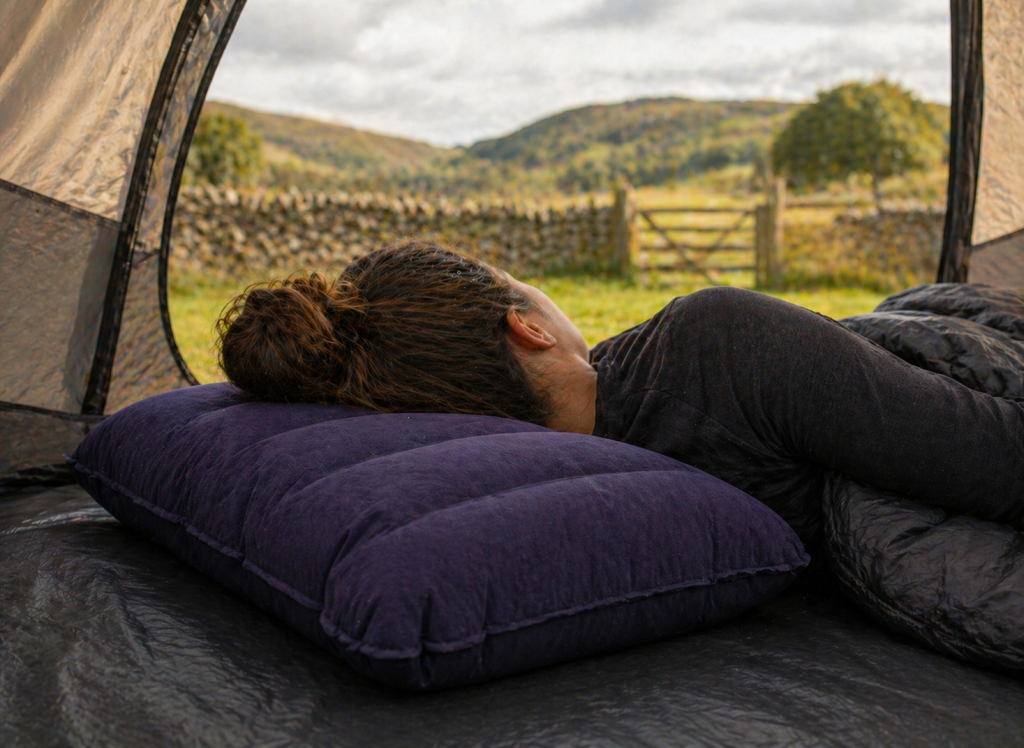
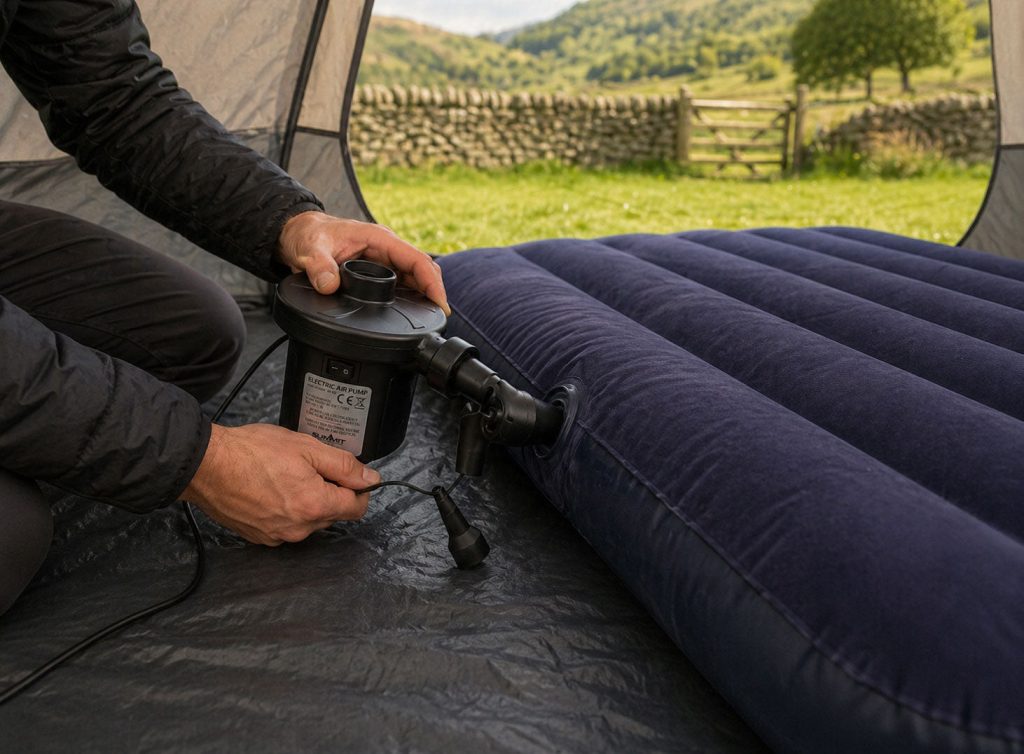
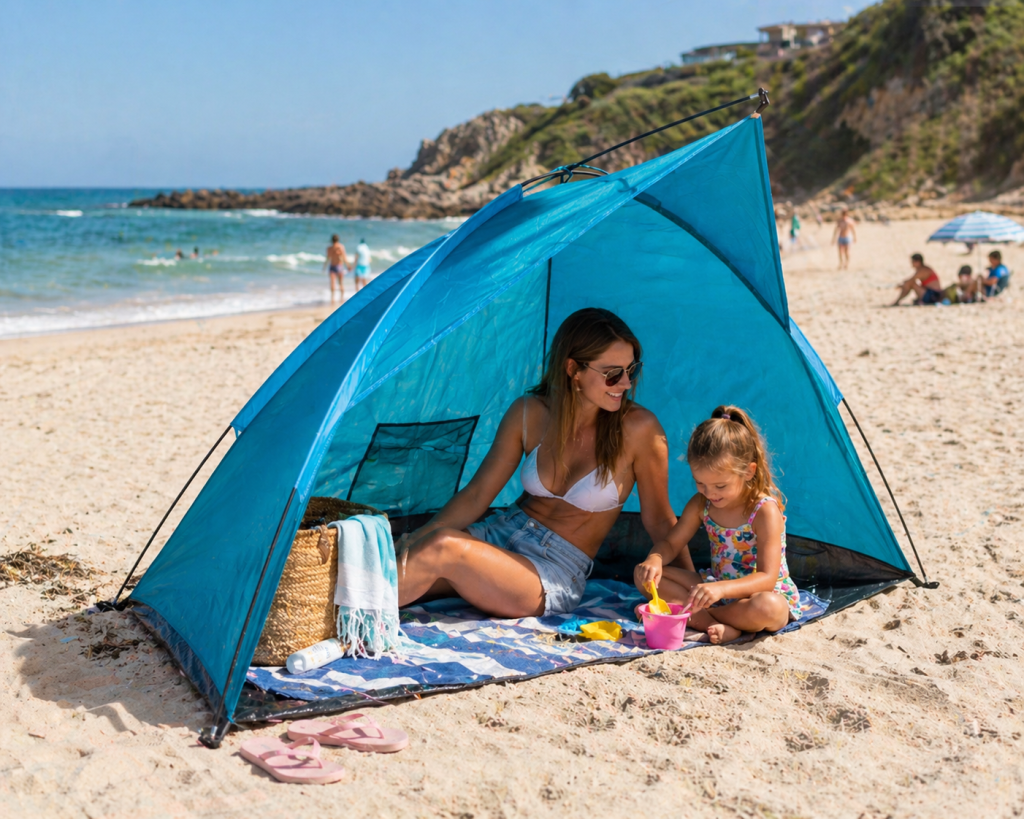
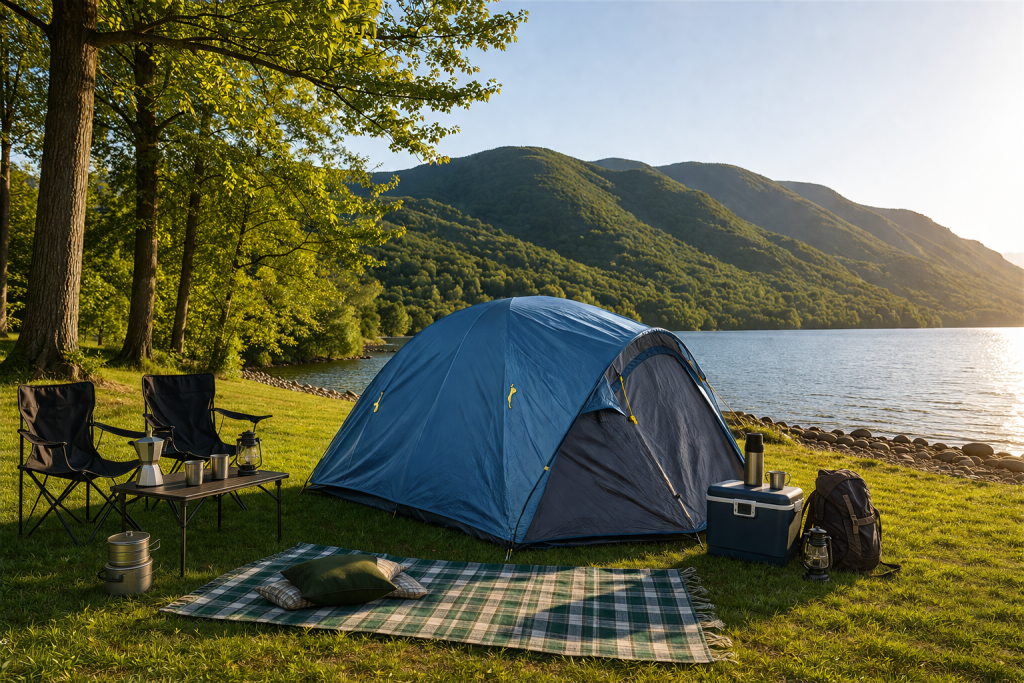


Both have their appeal and both have their frustrations. Car camping means comfort, cold beer, and a proper night’s sleep on an inflatable mattress. Backpacking means solitude, earned views, and the quiet satisfaction of carrying everything you need on your back. Neither is objectively better. But one is almost certainly a better fit for where you are right now.
Here’s an honest comparison of both, covering cost, access, effort, and experience, so you can make the call with your eyes open.
The case for car camping
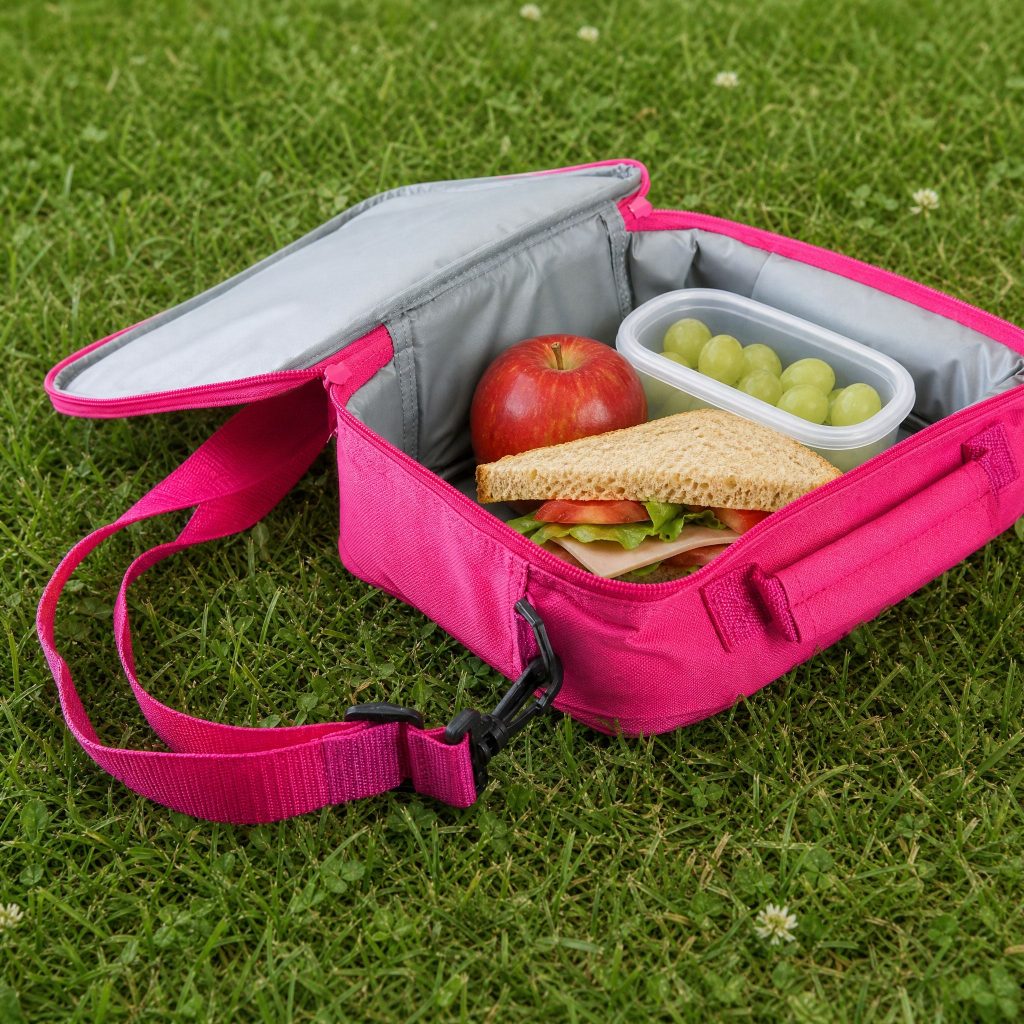
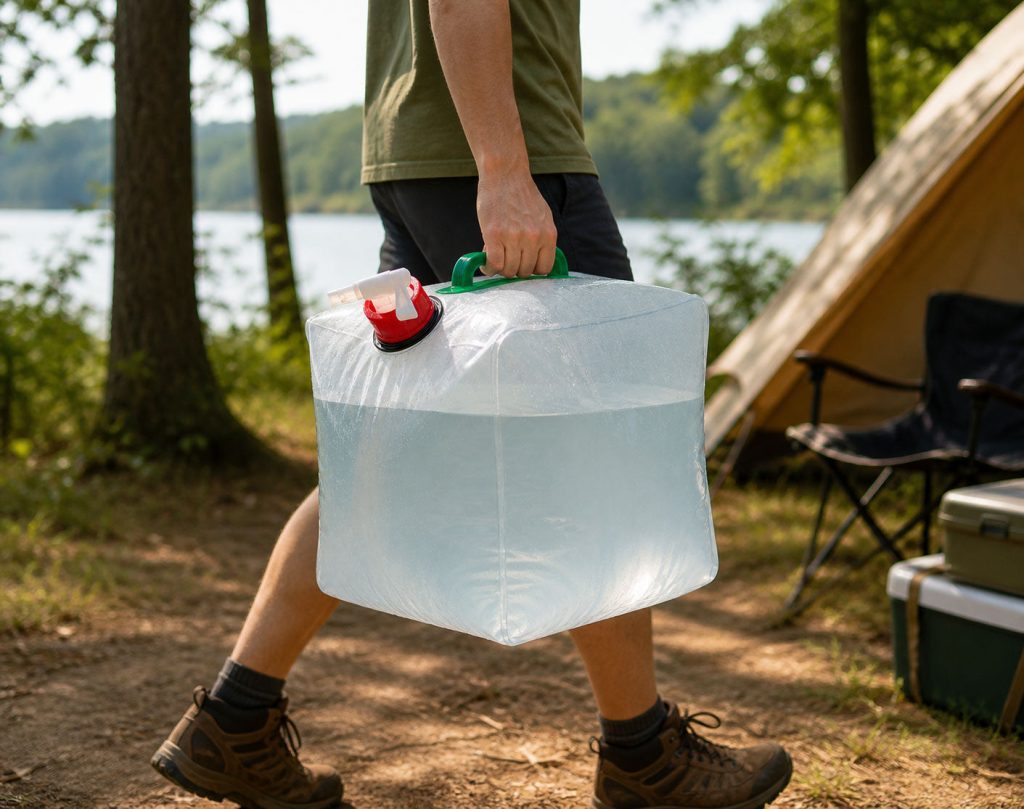
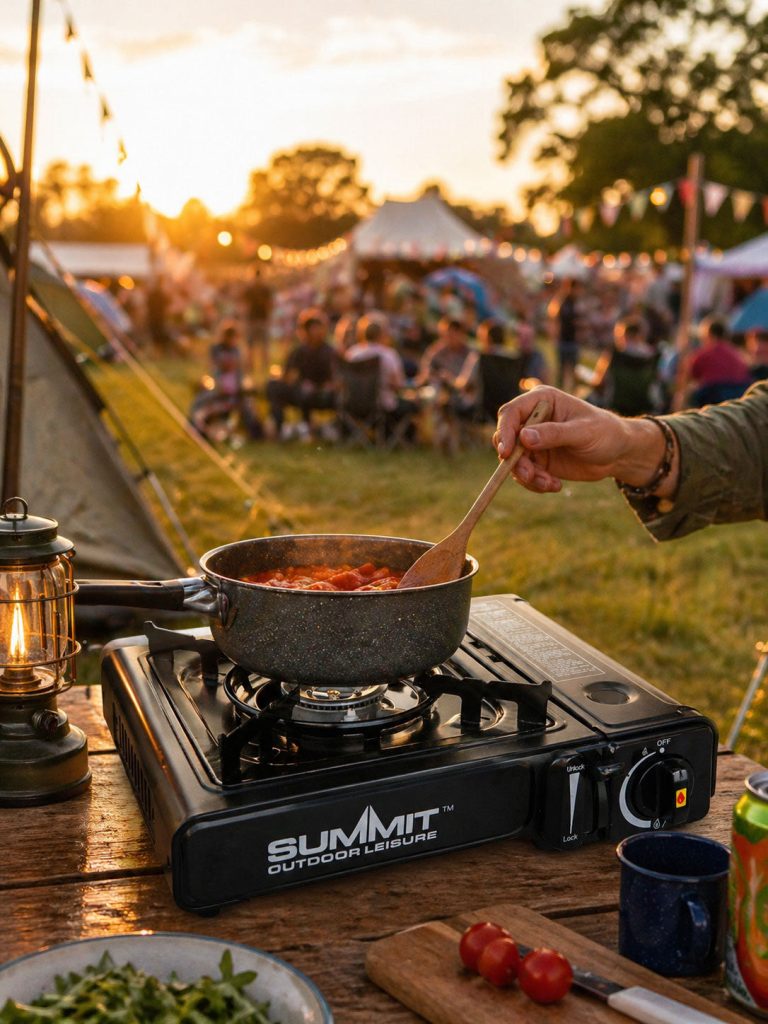
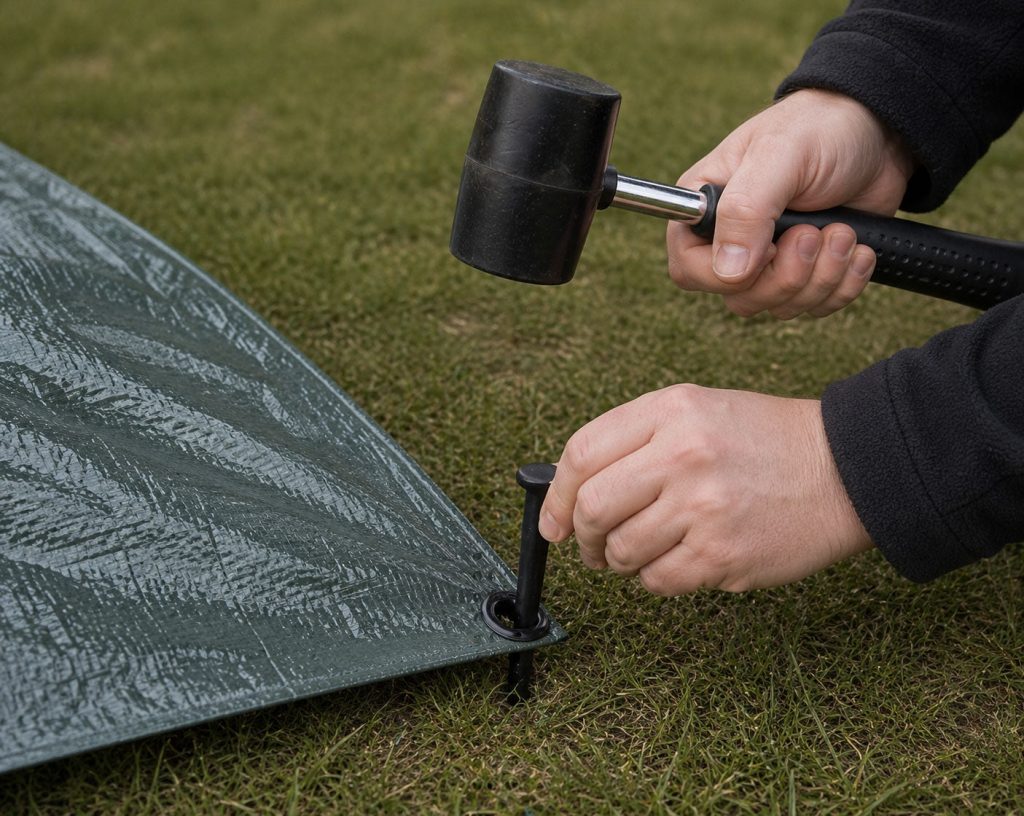
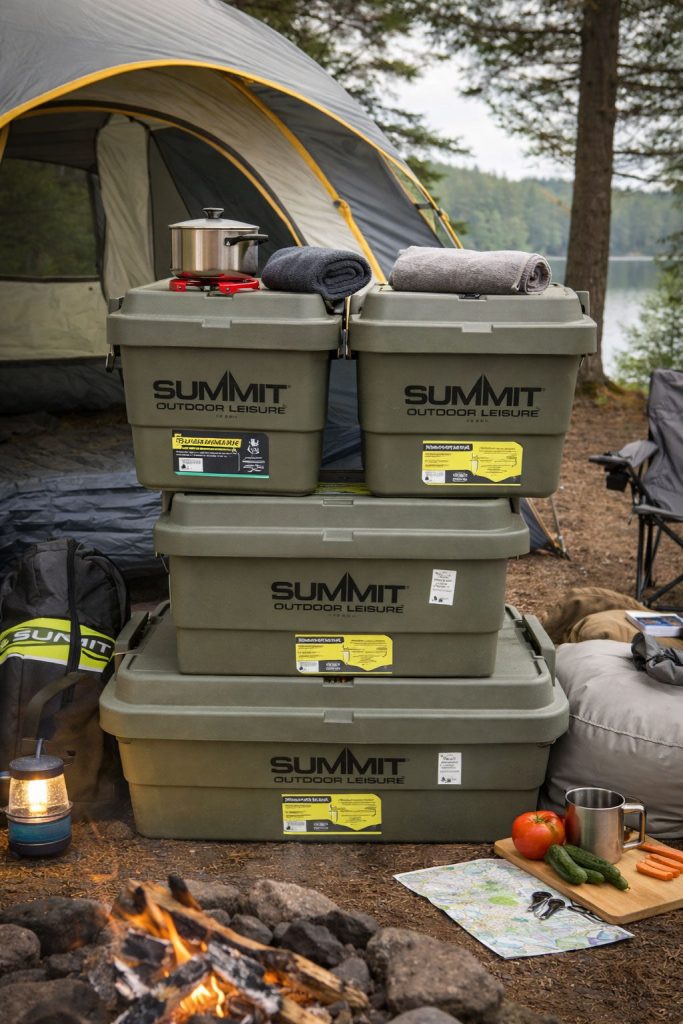
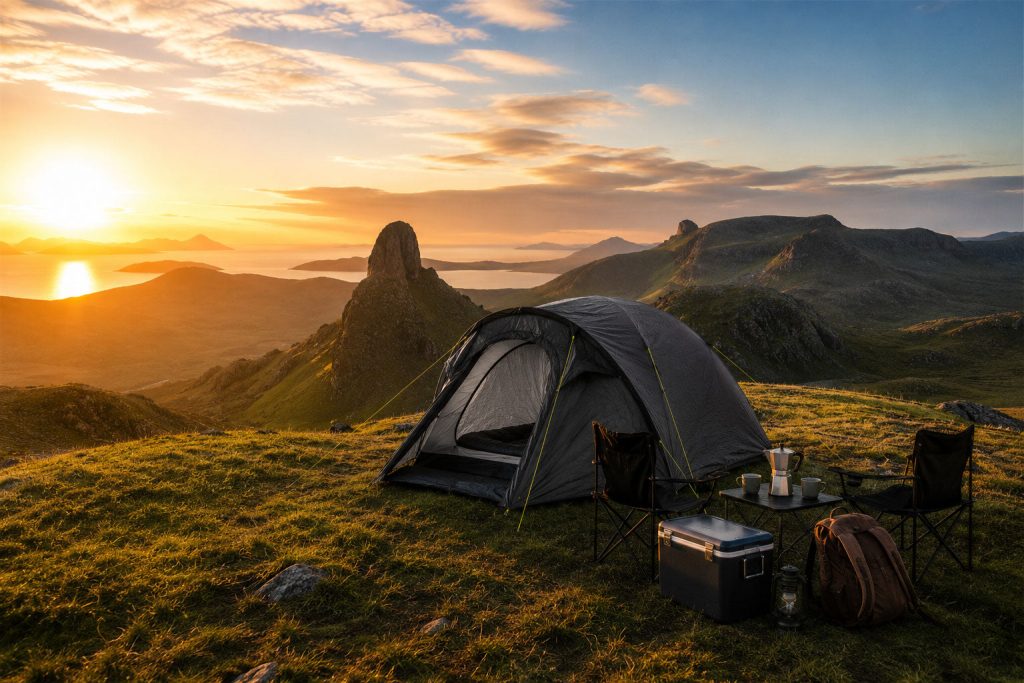
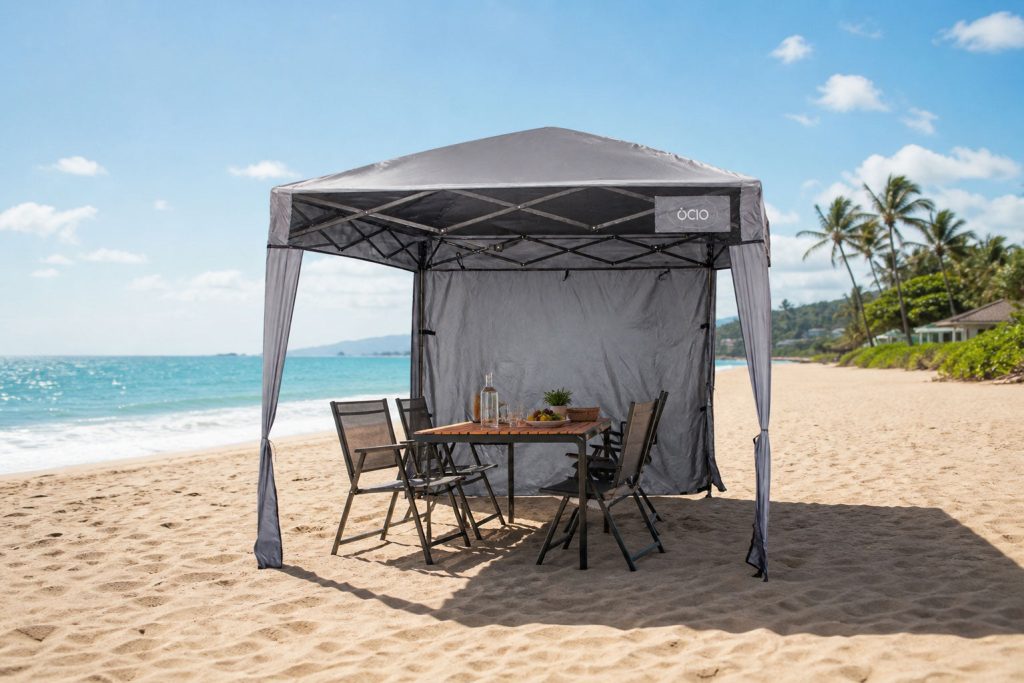
Car camping has a low barrier to entry that people tend to underestimate. You don’t need to obsess over pack weight, and you don’t need to spend a fortune on ultralight gear. A decent family tent, a couple of sleeping bags, a camping stove, and a cool box will get you surprisingly far. It’s also the right call if you’re camping with children, older relatives, or anyone who doesn’t want to cover ten miles before pitching a tent.
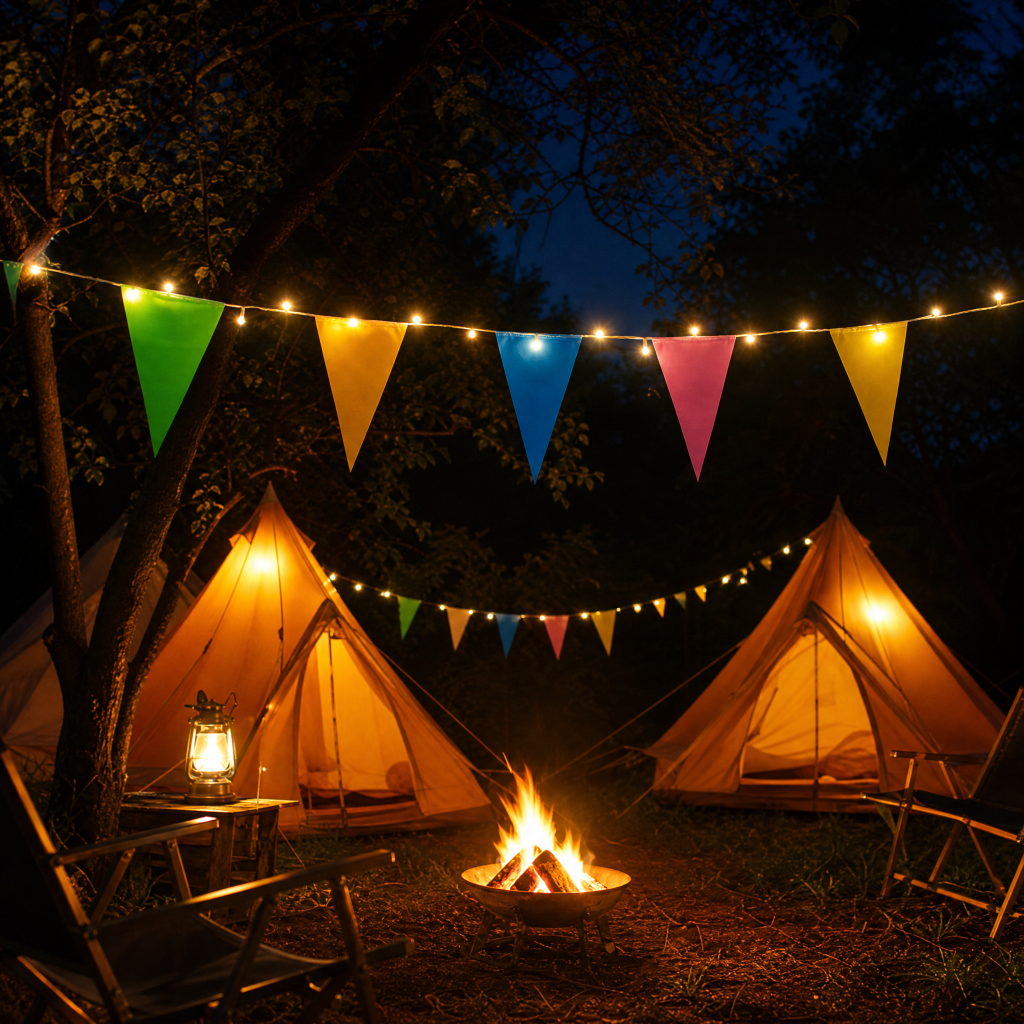
The experience is fundamentally social. Campsites have other people in them, sometimes annoyingly so, but also warmly so. There’s usually a pub nearby. You can bring a guitar, a folding table, a cast iron pan, and enough food for three days. Comfort doesn’t have to mean compromise.
The case for backpacking
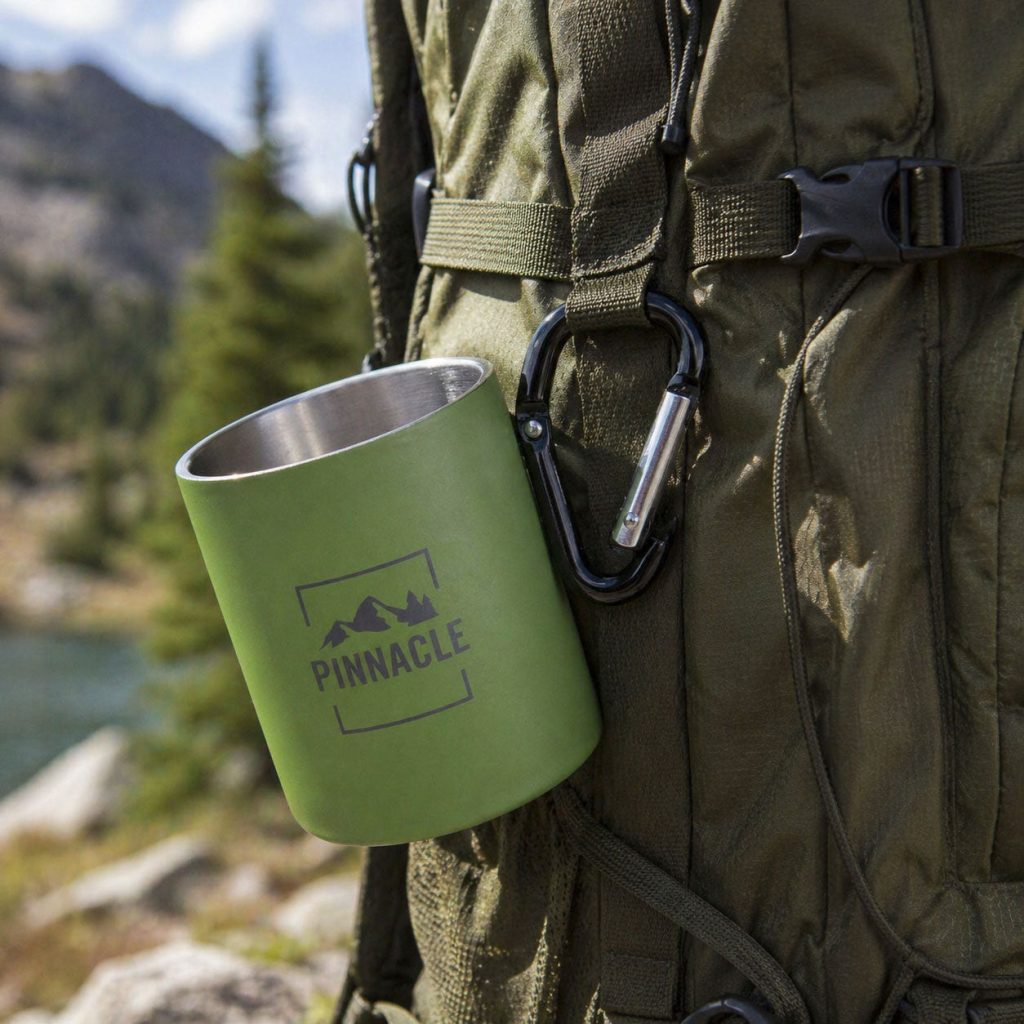
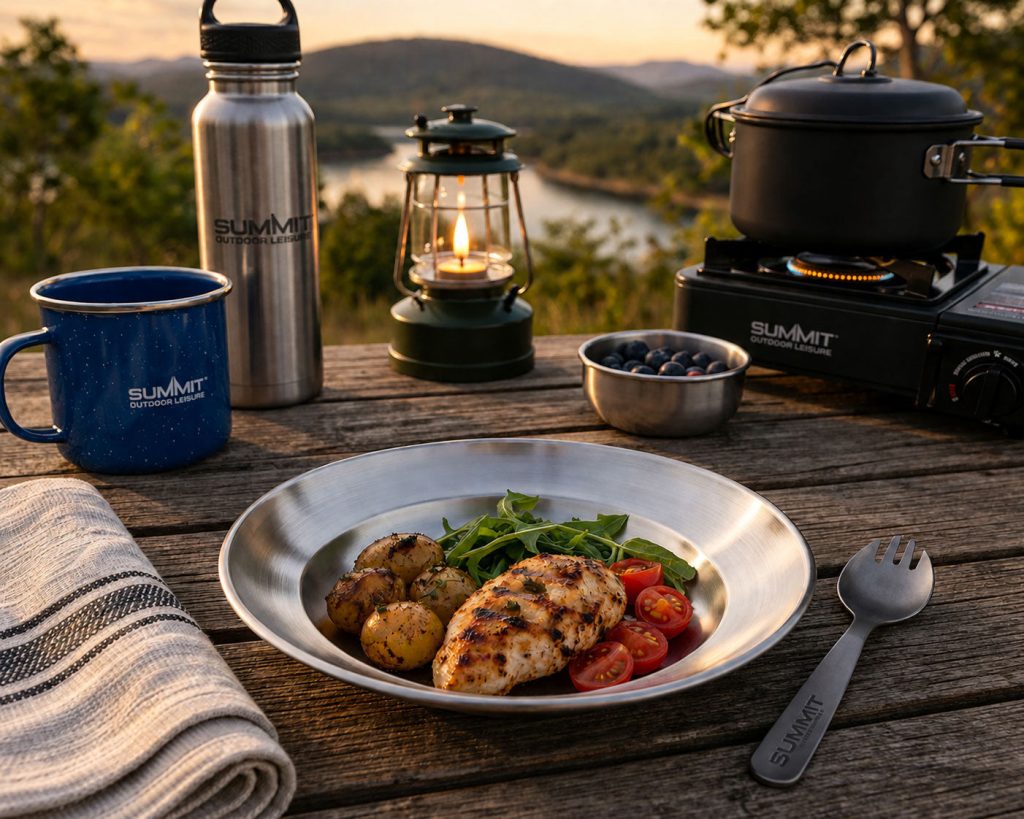
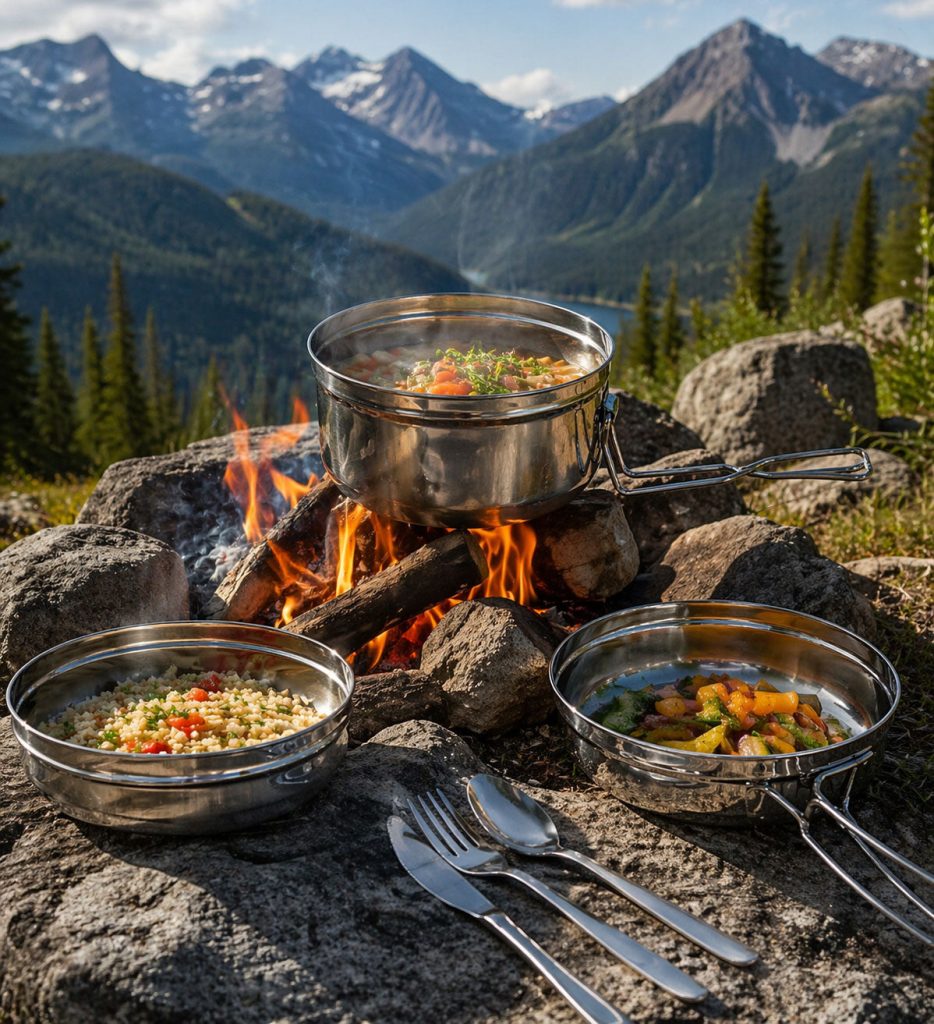
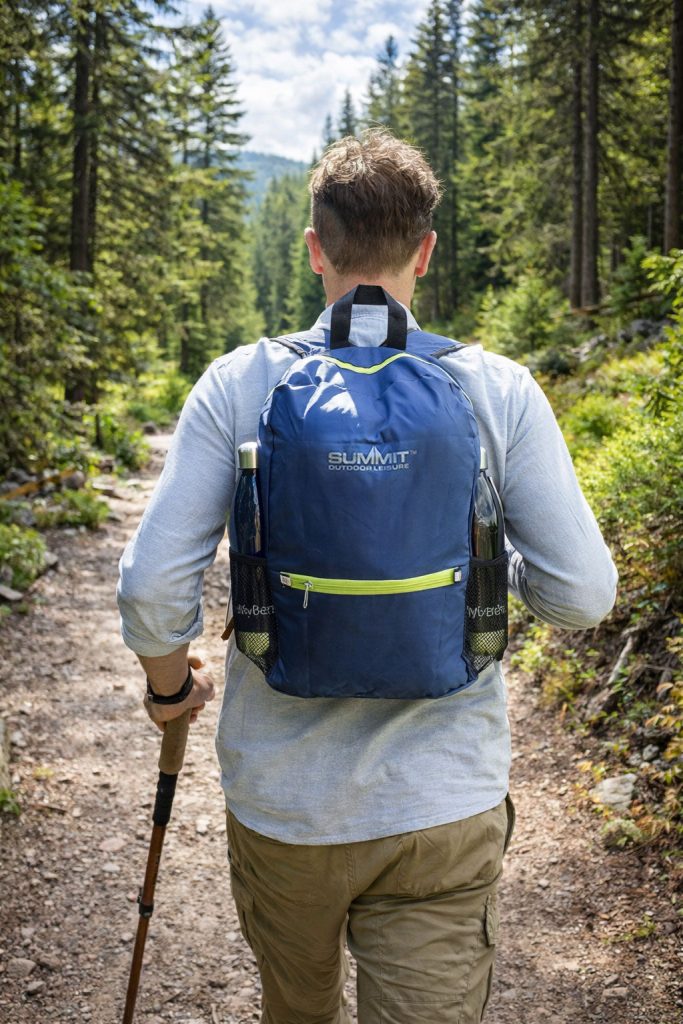
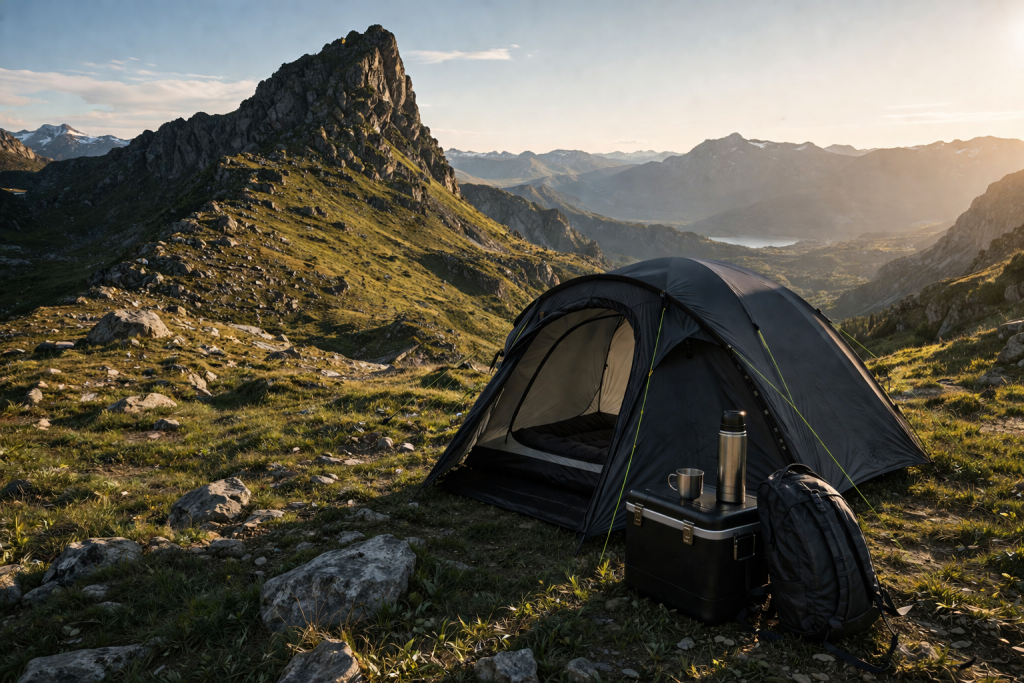
The thing backpacking offers that car camping simply cannot is access. When you’re carrying your shelter on your back, you can sleep in places that no campsite is near: on a ridge, beside a tarn, deep in woodland, above the cloud line. That access changes the nature of the experience. You earn the view, and then you sleep inside it.
It also forces a certain clarity. With a pack weight limit in mind, you quickly learn what you actually need. Most backpackers describe their first multi-day trip as one of the most grounding things they’ve done. There’s very little to distract you from where you are and what you’re doing.
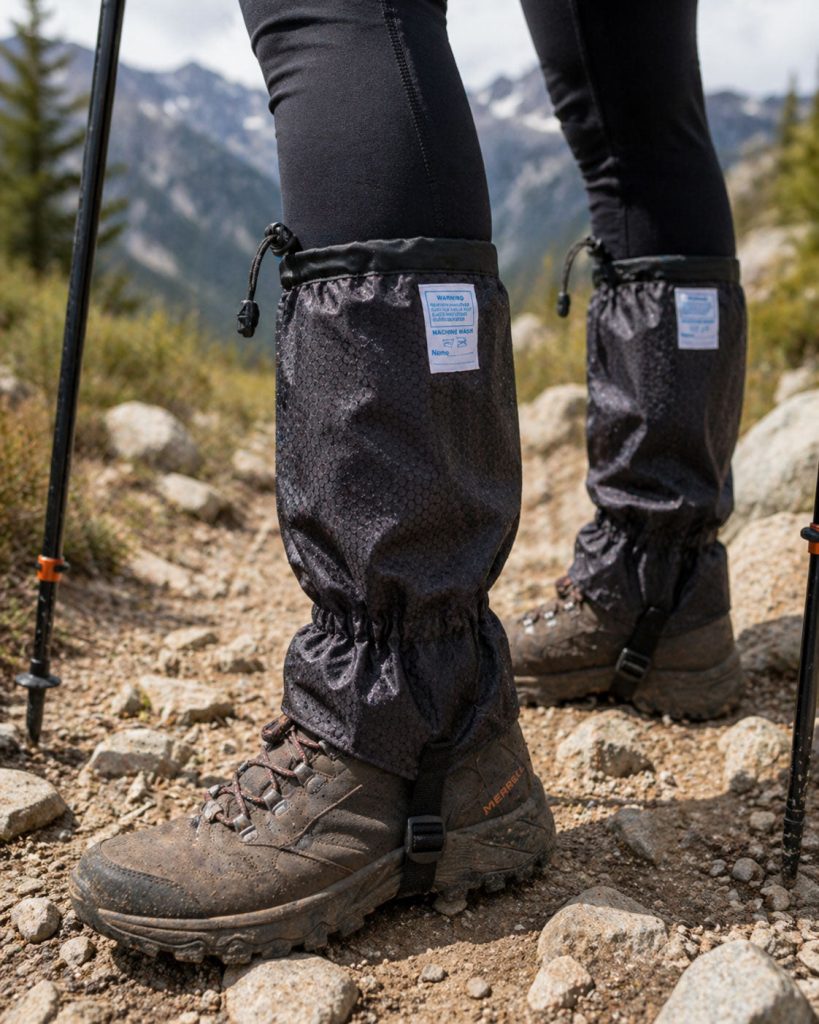
The tradeoff is real, though. Good lightweight gear is expensive. A quality three-season backpacking tent, a sleeping bag rated for the conditions, a pack, and a lightweight cooking setup can easily cost £800 to £1,200 if you’re buying new. And the physical demands aren’t trivial: a 12-mile day with a 12kg pack is a serious undertaking if you’re not used to it.
What kind of experience are you after?
Choose car camping if you want to relax more than you want to explore, if you’re going with a group or family, or if you’re new to the whole thing and want good food and cold drinks without planning every gram. Choose backpacking if you want to reach places most people don’t go, you’re comfortable with physical effort, and you find simplicity satisfying rather than limiting.
You don’t have to choose permanently
Most experienced campers do both, and for good reason. Car camping works brilliantly as a base: drive into a valley, set up a comfortable camp, and do day hikes from there. Backpacking trips can start and end at a car park. The two styles are less opposed than the gear industry sometimes makes them seem.
If you’re genuinely unsure which direction to go, start with car camping. Learn what you enjoy about being outside, what you find yourself wanting more of, and what irritates you. That feedback will tell you whether a heavier pack and a quieter mountain is the answer, or whether a better camp chair and a longer extension lead is.