



Camping puts a lot of people off before they’ve even tried it, usually because it looks like more effort and expense than it is. In reality, a first trip needs surprisingly little kit and a bit of planning, and most of what goes wrong for beginners is easy to avoid once you know what to expect.
This is a straightforward guide to camping for beginners: where to camp, what you actually need, and how to avoid the usual first-timer mistakes.
Camping for beginners: where to start
Start small and keep the first trip simple. Book one or two nights at a campsite with good facilities, fairly close to home, so you’re not far away if something goes wrong or the weather turns. Borrow or buy only the essentials to begin with, and see how you get on before spending money on kit you might not use again.
You don’t need to get everything right first time. The aim of a first trip is to enjoy it enough to want a second, not to camp like an expert straight away.
Choosing your first campsite
For a first trip, pick a managed campsite rather than anywhere remote. Look for one with toilets, showers and drinking water, since those make the whole thing far more comfortable while you find your feet. Read recent reviews for a sense of how busy, family-friendly or basic a site is.
Somewhere close to home takes the pressure off. If the weather turns or you’ve forgotten something important, an hour’s drive back is a minor annoyance rather than a trip-ender. Save the wild and remote spots for once you’ve got a few trips behind you.
What gear do you actually need to start?
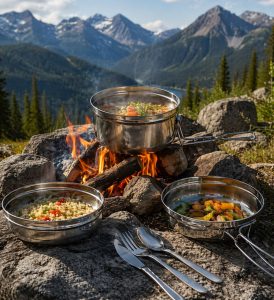
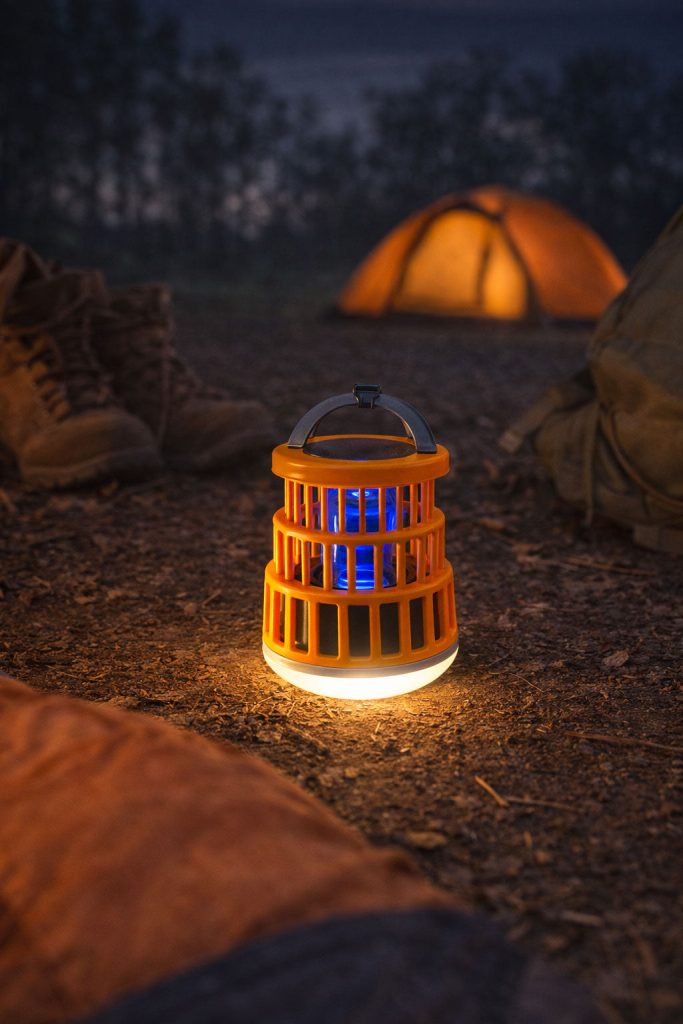
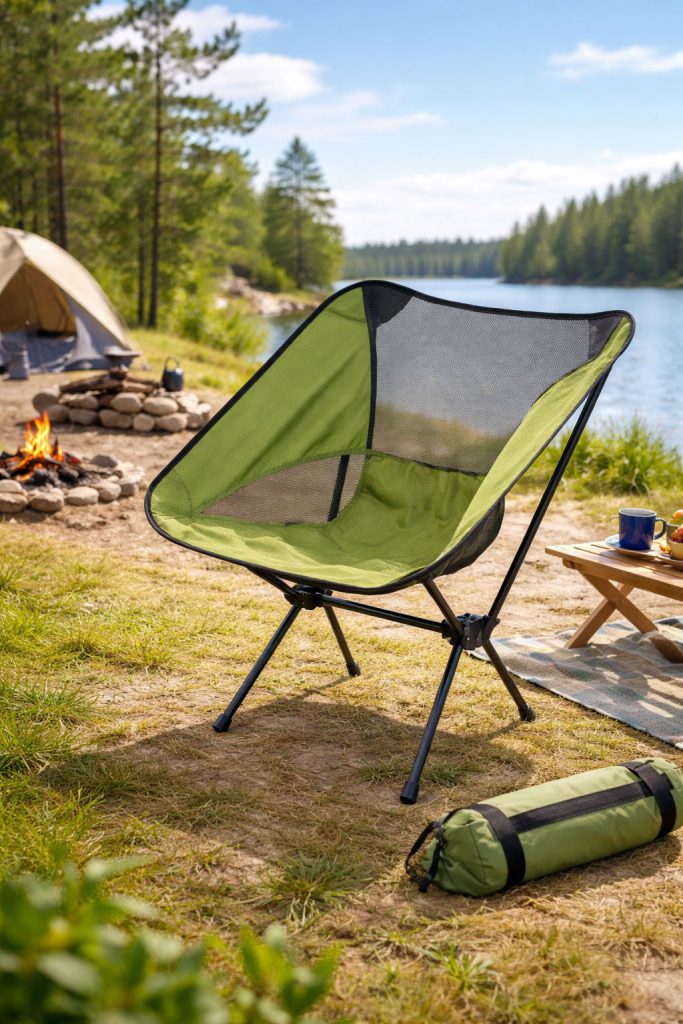
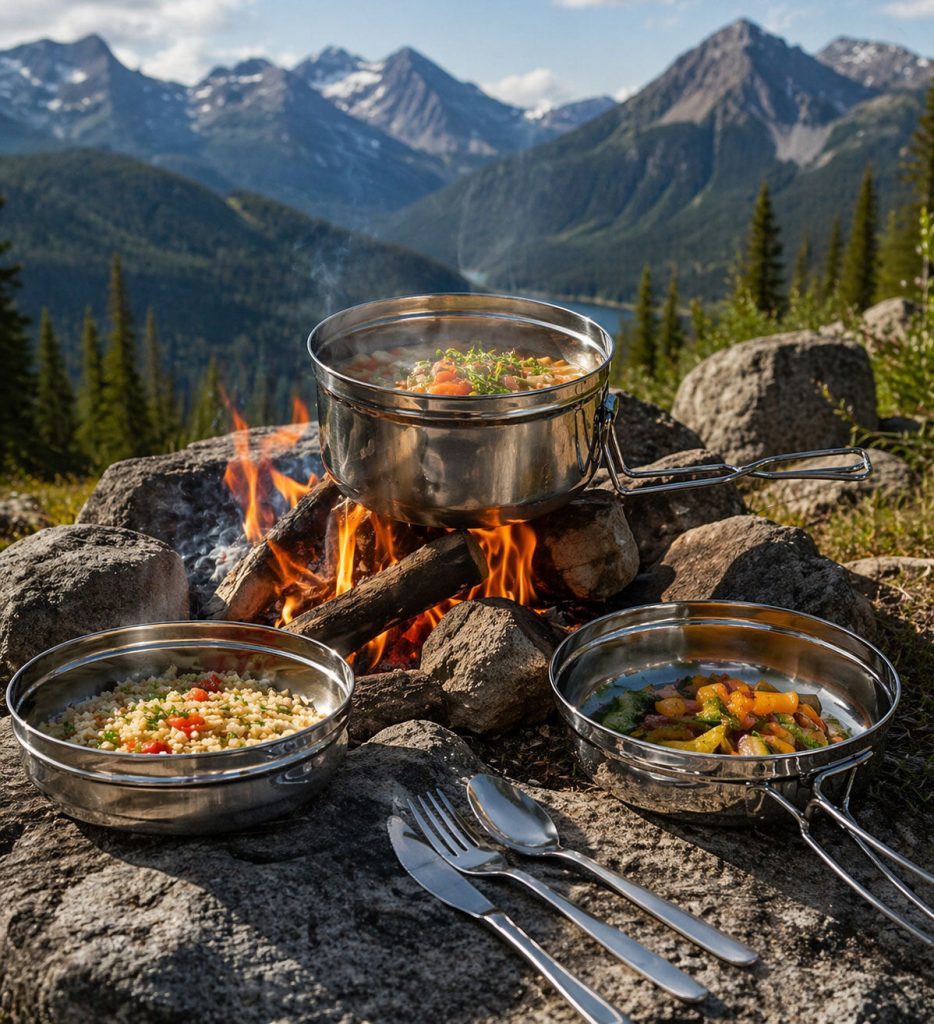
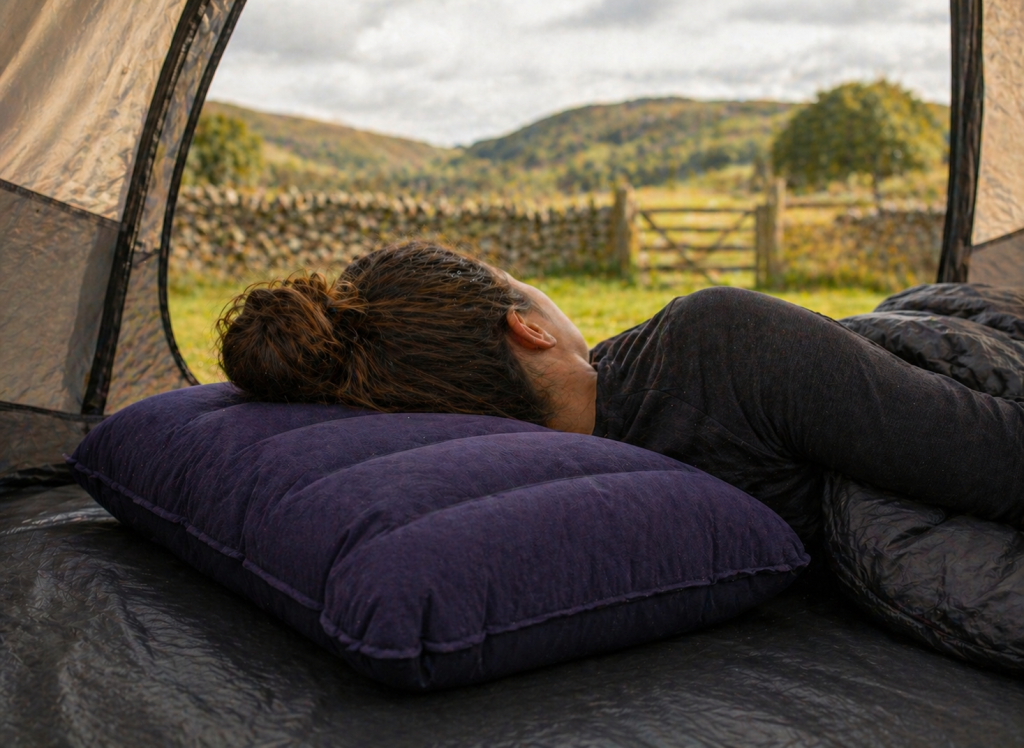
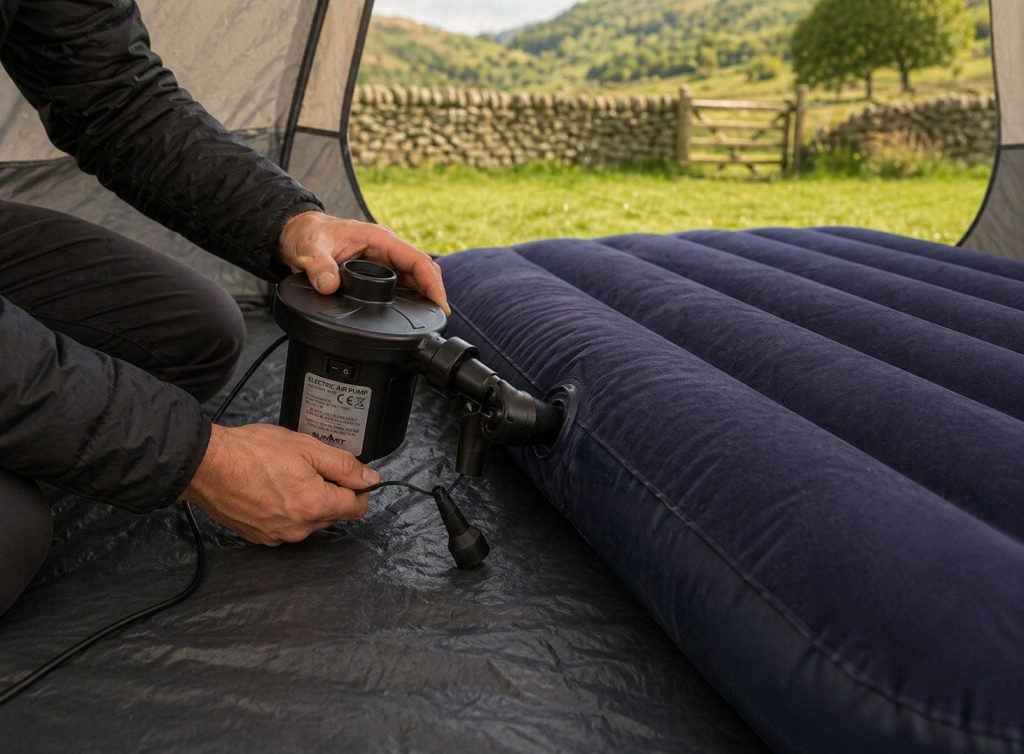
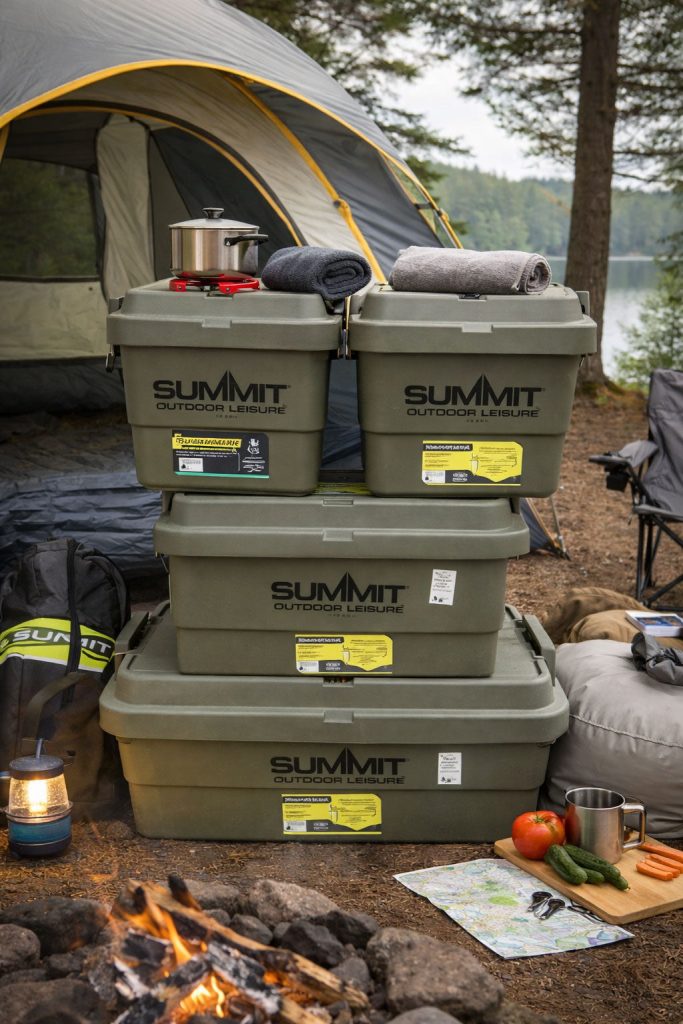
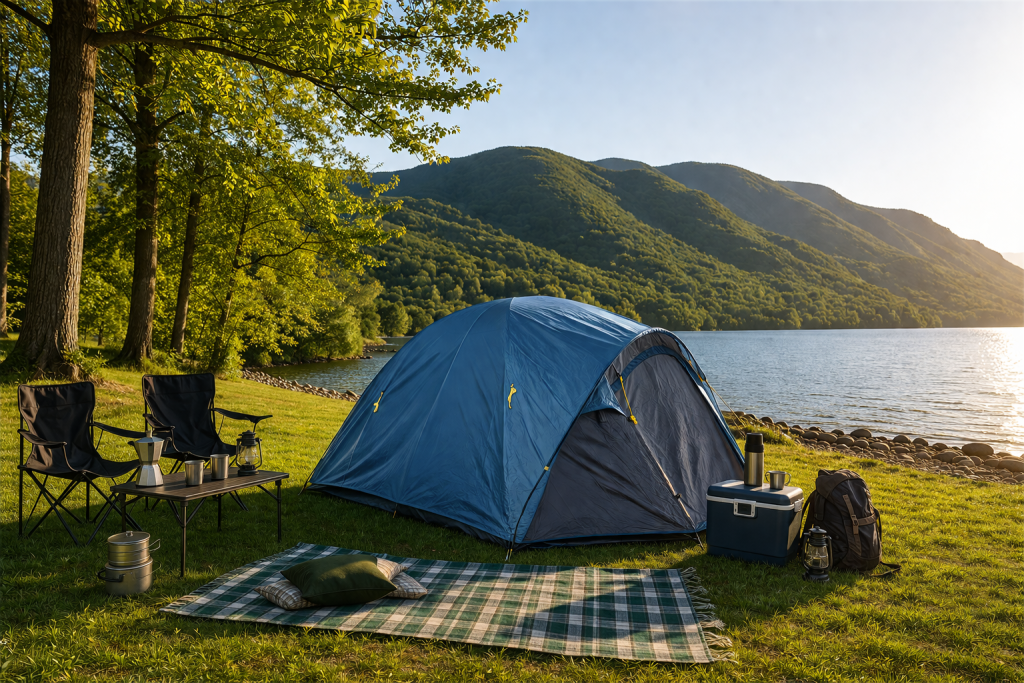
You need less than the shops would have you believe. For a first trip the essentials are a tent, a warm sleeping bag and a mat, something to cook on, a light, and clothes for changeable weather. Our full camping checklist covers everything you need, but resist buying every item on it before you know how often you’ll go.
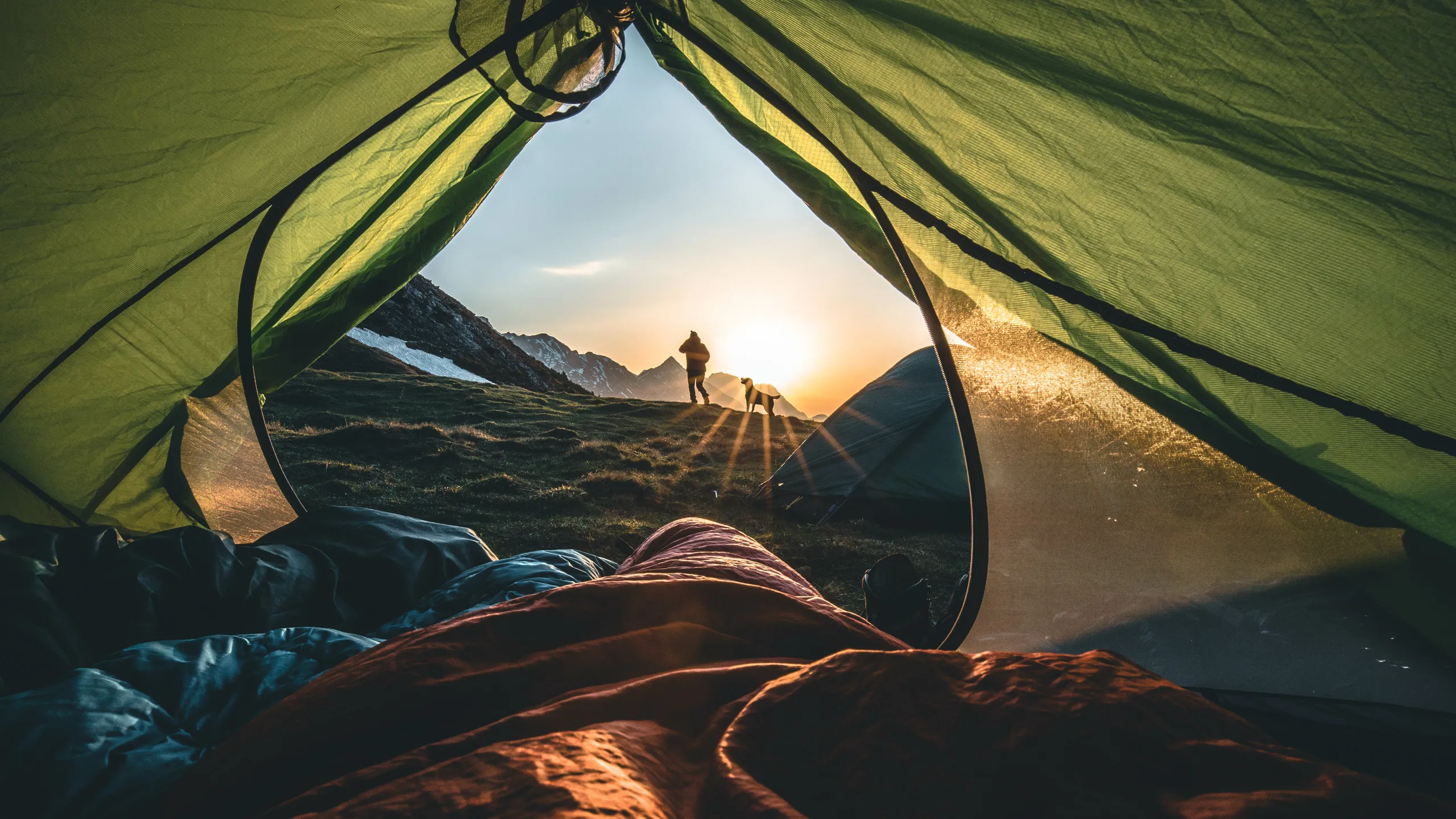
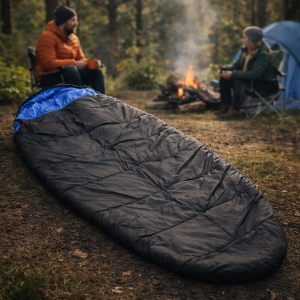
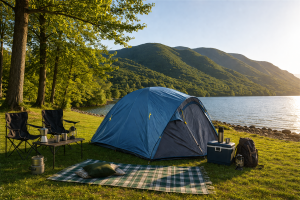
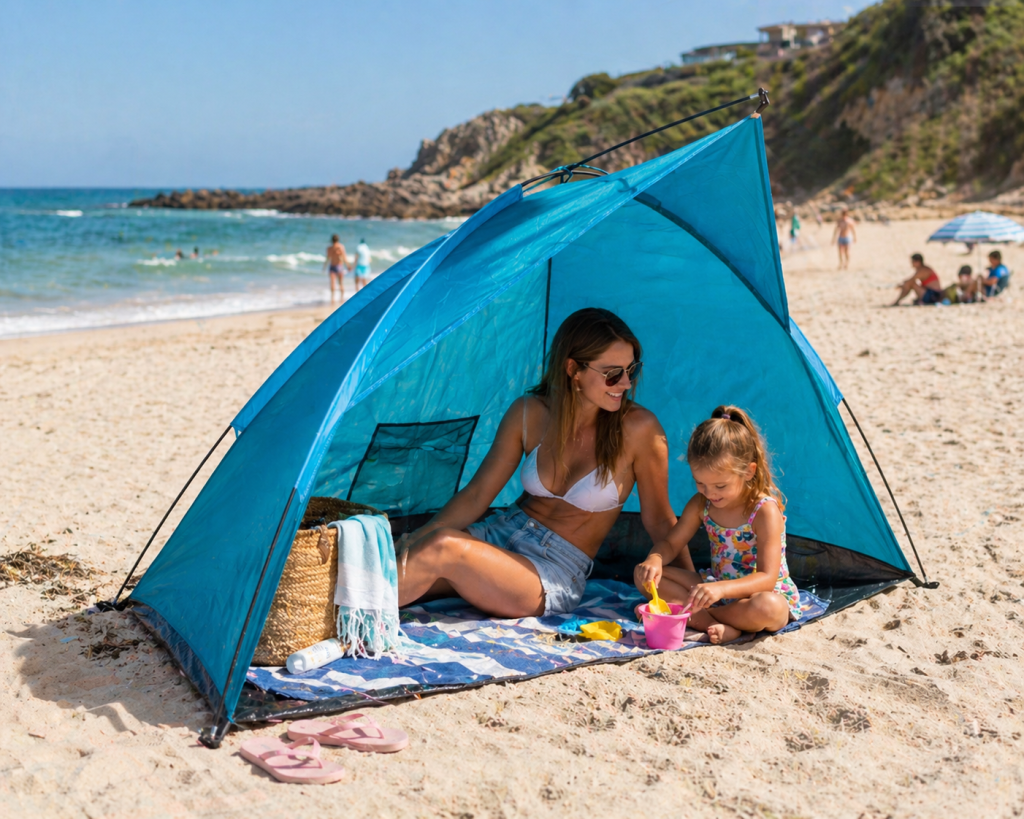
A pop-up tent is the easiest starting point, since it goes up in seconds and there’s no knack to learn. Pair it with a decent sleeping bag and you’ve covered the two things most likely to make or break a first night. Borrow the rest where you can, and buy properly once you know camping’s for you.
Common beginner mistakes (and how to avoid them)
Most first-trip problems come down to a handful of predictable mistakes. Knowing them in advance is half the battle, and none are hard to avoid.
- Pitching in a dip where rain collects, instead of on higher, level ground
- Underestimating how cold a night gets, even in summer, and packing too thin a sleeping bag
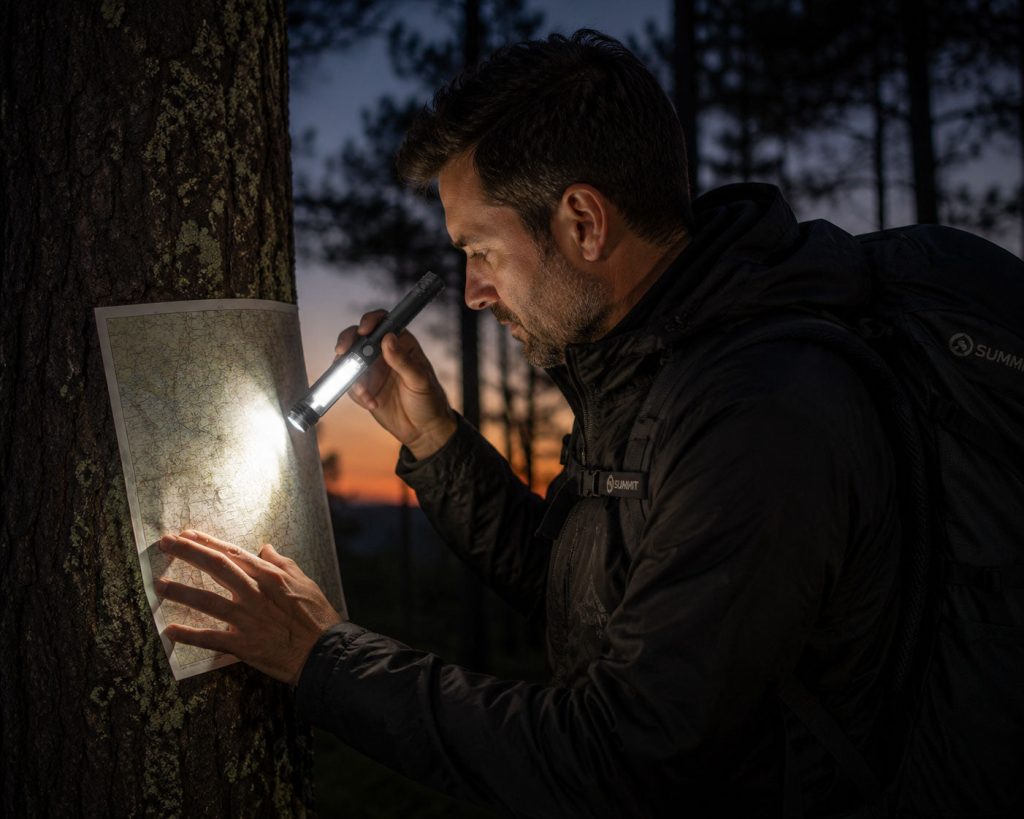
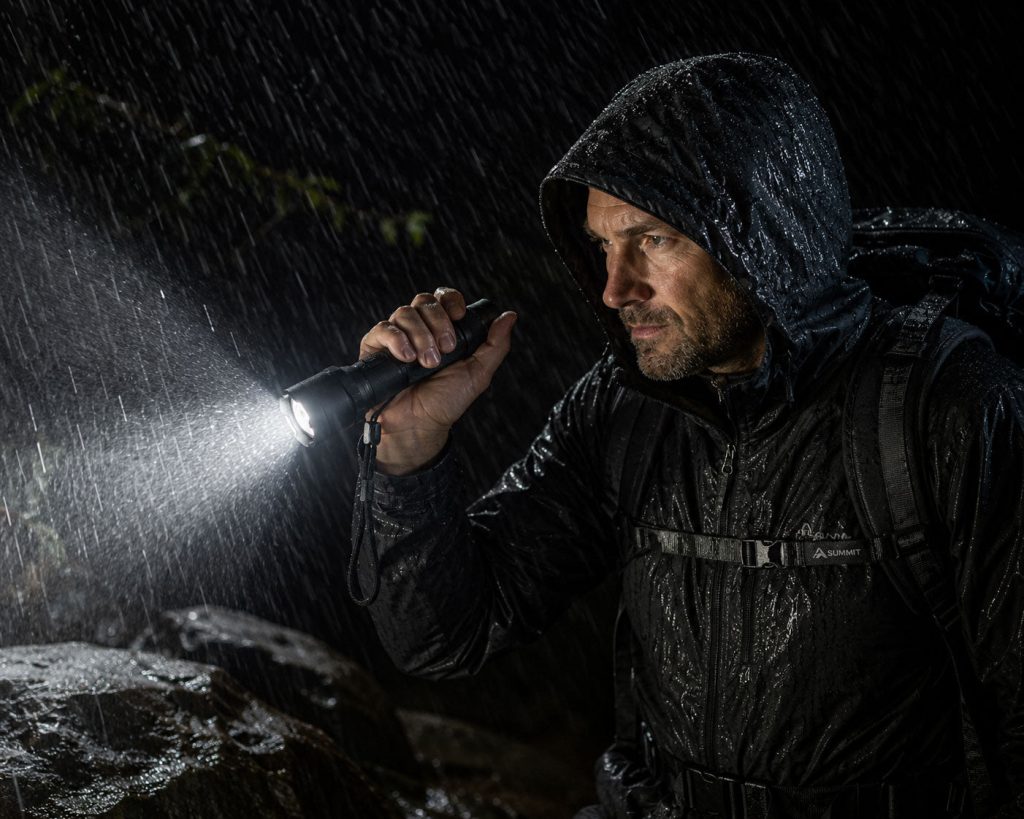
- Arriving after dark and trying to pitch by torchlight
- Bringing too much food and not enough easy, quick meals
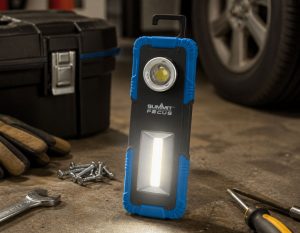
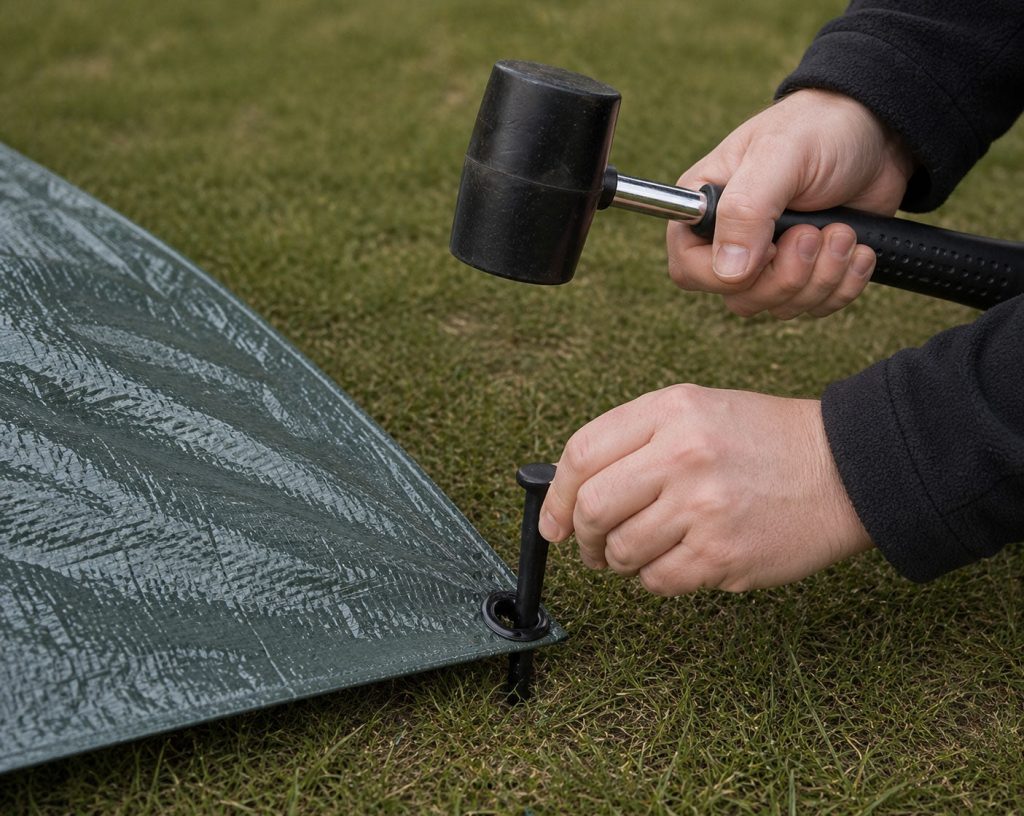
- Forgetting a mallet, a torch or spare batteries
- Never practising the tent before leaving home
Making your first trip go smoothly
A few simple habits make a first trip far easier. Practise pitching your tent in the garden or the living room first, so you’re not learning on a windy field. Arrive with a few hours of daylight left, and get the tent up before anything else.
Keep your expectations realistic, and have a rough plan for bad weather, even if that’s just a nearby pub or a pack of cards in the tent. Camping rarely goes exactly to plan, and the trips people remember fondly are usually the ones where something went a bit wrong.
Where to get your first kit
Summit has been kitting out campers for over two decades, supplying UK retailers since 2002 and now selling to you directly. For a first trip, that means you can get the basics together at a sensible price, without hunting around or overspending on kit you’re not sure you’ll use again.
Even at the start, it pays to be a bit choosy. The very cheapest tent or sleeping bag tends to be a false start, because a cold, damp first night is the quickest way to decide camping isn’t for you. Fairly priced gear that simply works is the better bet.
Ready to give it a go? Take a look through the camping range and pick up the basics for your first trip.
Frequently Asked Questions
Camping is straightforward for beginners as long as you start simple. Book a managed campsite close to home for a night or two, take the essentials rather than everything, and practise pitching your tent beforehand. Most first-trip problems come from doing too much too soon.
For a first trip, beginners need a tent, a warm sleeping bag and a mat, a way to cook, a light and clothes for changeable weather. A pop-up tent is the easiest starting point. Borrow what you can and buy the rest once you know you’ll go again.
Choose a managed campsite with toilets, showers and drinking water, fairly close to home. Facilities make a first trip much more comfortable, and staying nearby means a forgotten item or bad weather isn’t a disaster. Leave wild or remote camping until you have more experience.
The usual beginner mistakes are pitching in a dip where water collects, underestimating how cold nights get, arriving after dark, and forgetting basics like a mallet or a torch. Practising your tent at home and arriving in daylight avoid most of them.